ADUs in 2026: Is a “Granny Flat” Still the Best ROI for Your Backyard?
Created Mon, Jan 26, 2026 - 4 min read
Top blog articles
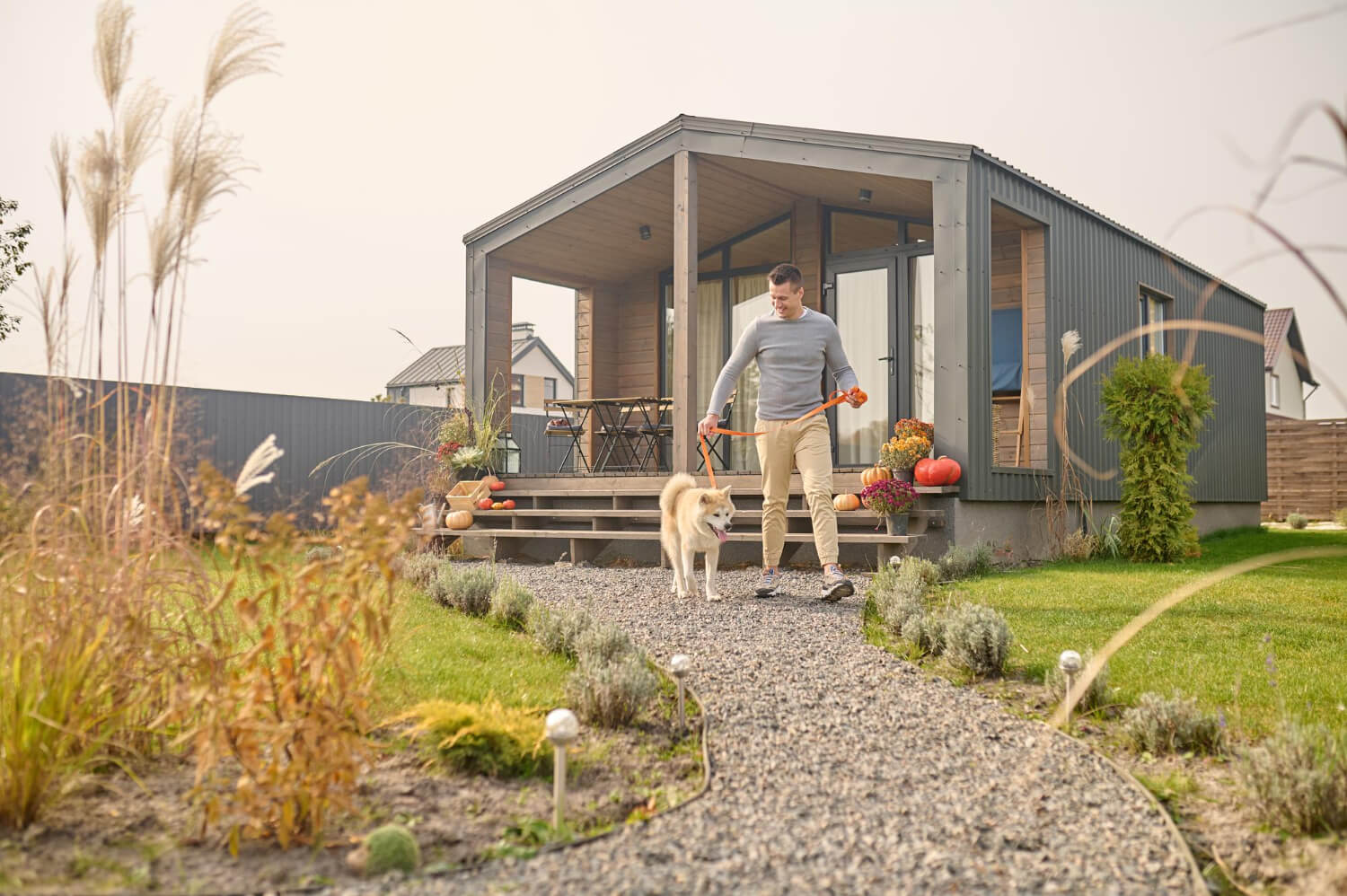
If you’ve spent any time looking at your backyard lately and seeing a missed opportunity rather than just a patch of grass, you’re not alone. In 2026, the Accessory Dwelling Unit (ADU) (affectionately known as the granny flat, carriage house, or casita) has officially gone mainstream.
But with construction costs hovering around $300–$600 per square foot in major hubs like Los Angeles and Seattle, the big question remains: Is the ROI still there?
At Kukun, we believe in making decisions based on “hard numbers,” not just trends. Let’s dive into the reality of ADU investment in today’s market.
The 2026 Cost Reality Check
The days of the $50,000 DIY garage conversion are largely behind us. Between updated 2026 building codes (which now prioritize energy efficiency and “circular construction” materials) and the rising cost of specialized labor, your budget needs to be realistic.
According to the latest data, a standard 600-square-foot detached ADU currently ranges from $180,000 to $350,000, depending on your zip code and finish levels.
Where the money goes:
- Permits & Impact Fees: These can range from $5,000 to $20,000. However, 2026 legislation in several states has streamlined this process, with many cities now offering “pre-approved” plans to slash design costs.
- Site Prep & Utilities: Running sewer and power lines to a detached unit often costs more than homeowners anticipate, sometimes upwards of $15,000.
- Construction: Modern ADUs are now being built with “thick wall” insulation and triple-glazed windows as a standard for 2026 energy compliance.
To get a localized estimate for your specific property, use the Kukun Renovation Cost Estimator. It uses real-time local data, so you aren’t guessing based on national averages that don’t apply to your street.
The ROI: Two Ways to Win
When we talk about ROI for an ADU, we have to look at two distinct buckets: Rental Yield and Property Value Appreciation.
1. Passive Income (The Rental Play)
With the “Great Housing Reset” of 2026 making homeownership difficult for many, the demand for high-quality rentals is at an all-time high.
- Long-term rentals: In high-demand areas, a 1-bedroom ADU can command $2,300–$3,200 per month.
- The Math: If your build costs $250,000 and clears $2,500/month in rent (after expenses), your annual yield is roughly 10–12%. That’s a performance that beats most traditional stock portfolios.
2. Immediate Equity (The Resale Play)
Does an ADU actually help you sell your house? Absolutely. Data from the National Association of Realtors (NAR) suggests that homes with ADUs can command a premium of up to 35% over comparable homes without them. Buyers in 2026 are specifically looking for “mortgage hackers”, homes that come with a built-in income stream to help offset high interest rates.
The Multigenerational Shift
Beyond the dollars and cents, 2026 has seen a massive rise in multigenerational living. Whether it’s Gen Z kids moving back home or aging parents moving in to avoid the skyrocketing costs of assisted living, the ADU provides a “social ROI” that is hard to quantify but easy to feel.
Recent surveys show that 14% of homebuyers are specifically seeking multigenerational setups. By building an ADU, you aren’t just adding a building; you’re adding a flexible “life insurance policy” for your family’s changing needs.
Is an ADU right for you?
Before you break ground, ask yourself these three questions:
- Do I have the equity? Many homeowners are using HELOCs or “reno-refis” to fund these builds.
- What is my “exit strategy”? Are you building this for a tenant, a parent, or as a future home office? Your choice will dictate the plumbing and privacy needs of the design.
- Does the Kukun ROI Predictor say “Yes”? Our tool can help you see if the value added to your home will exceed the cost of building in your specific neighborhood.
FAQs: Your ADU Questions Answered
Q: Do I need to provide a parking space for my ADU in 2026? A: In many states, especially near public transit, parking requirements for ADUs have been eliminated to encourage density. Always check your local zoning, but the 2026 trend is definitely “less parking, more housing.”
Q: How long does it take to build an ADU? A: While modular and prefabricated units can be installed in a matter of weeks, a traditional site-built ADU typically takes 6 to 10 months from the first permit application to the final walkthrough. Read more: How to choose the right contractor for your remodel
Q: Can I sell my ADU separately from my main house? A: This is a new frontier! As of 2026, certain jurisdictions (like parts of California under AB 1033) allow homeowners to sell ADUs as condos. This can unlock massive “hidden equity” but requires a specific legal process.
Q: Will building an ADU increase my property taxes? A: Yes, but only on the value of the new improvement. Your primary home’s tax assessment is generally not triggered for a full “re-assessment” just because you added an ADU.

Written by Billy Guteng. January 26, 2026
Billy is a content writer for Kukun. He was born in France, and has lived in multiple cities around the world ever since. He loves art, design and architecture as well as construction and real estate.
Top blog posts









See more >
Recommended

Join our newsletter
Get helpful renovation tips, insightful home maintenance articles, real estate market trends, and more.
Please enter a name
Please enter a valid e-mail