The Living Room: How Biophilic Upgrades Are Adding 8% to Urban Home Values
Updated Mon, Feb 23, 2026 - 5 min read
Top blog articles
For years, “wellness” in real estate meant a gym in the basement or a sauna in the master suite. But in 2026, wellness has moved into our line of sight. As remote work becomes a permanent fixture for urban professionals, the “Home Office” has evolved. We aren’t just looking for a desk; we are looking for a Home Sanctuary.
This shift has brought Biophilic Interior Design to the forefront of the 2026 remodel market. It’s the intentional integration of nature into our living spaces, through light, plants, and organic materials. At Kukun, our data shows that these aren’t just “feel-good” updates; they are strategic equity plays. In major metro areas, homes with documented biophilic features are currently fetching an 8% premium over standard modern listings.
The Core Pillars of Biophilic ROI in 2026
Biophilic design is more than just adding a few potted plants. To see a measurable jump in your PICO™ Property Condition Score, you need to focus on structural and high-impact visual changes.
1. Natural Light Optimization
In 2026, “daylighting” is the ultimate luxury. Maximizing natural light regulates our circadian rhythms and reduces the need for artificial lighting, which ties directly into our Smart Utility Upgrade goals.
- The Upgrade: Replacing standard windows with floor-to-ceiling glass or adding high-performance skylights.
- The Cost: Expect to spend $3,500 – $8,000 for a large-scale window expansion or a premium skylight installation.
- Kukun Tip: Use our Remodel Cost Estimator to see how window upgrades in your specific zip code impact your home’s “Light Score.”
2. The Vertical Forest: Indoor Garden Walls
A living “green wall” acts as a natural air purifier and a visual anchor for a room. In 2026, integrated irrigation systems have made these much easier to maintain.
- Indoor Garden Wall Cost: A professionally installed, plumbed-in living wall typically costs $150 – $250 per square foot.
- The “Wellness ROI”: Beyond the aesthetic, biophilic elements have been proven to reduce stress levels by up to 15%. In a high-stress 2026 economy, “peace of mind” is a marketable asset.
The “Wellness ROI”: Why Buyers Pay More
Why does a wall of plants or a bigger window add 8% to a home’s value? Because in 2026, buyers are shopping for Emotional Resilience.
According to a recent study by the Terrapin Bright Green consulting firm (a high-authority leader in biophilic research), incorporating nature into the built environment can significantly increase property value by improving cognitive function and emotional well-being. When a buyer walks into an urban condo that feels like a garden, their “perceived value” of that space skyrockets. They aren’t just buying square footage; they are buying an antidote to the city.
Room-by-Room Biophilic “Micro-Renovations”
The Home Office (The Productivity Zone)
- The Goal: Natural light optimization for the home office.
- The Hack: Position your desk perpendicular to a window to reduce glare while providing a “nature view” for eye rest. Replace heavy drapes with light-filtering solar shades.
The Kitchen (The Organic Heart)
- The Goal: Sensory connection to nature.
- The Hack: Install an integrated “herb drawer” or a countertop hydroponic system. Use Heritage Modern materials like unhoned stone and raw wood to provide tactile grounding.
The Primary Suite (The Restoration Zone)
- The Goal: Circadian harmony.
- The Hack: If structural changes aren’t possible, use smart lighting that mimics the natural color temperature of the sun throughout the day.
The Science of the “Sanctuary Premium”
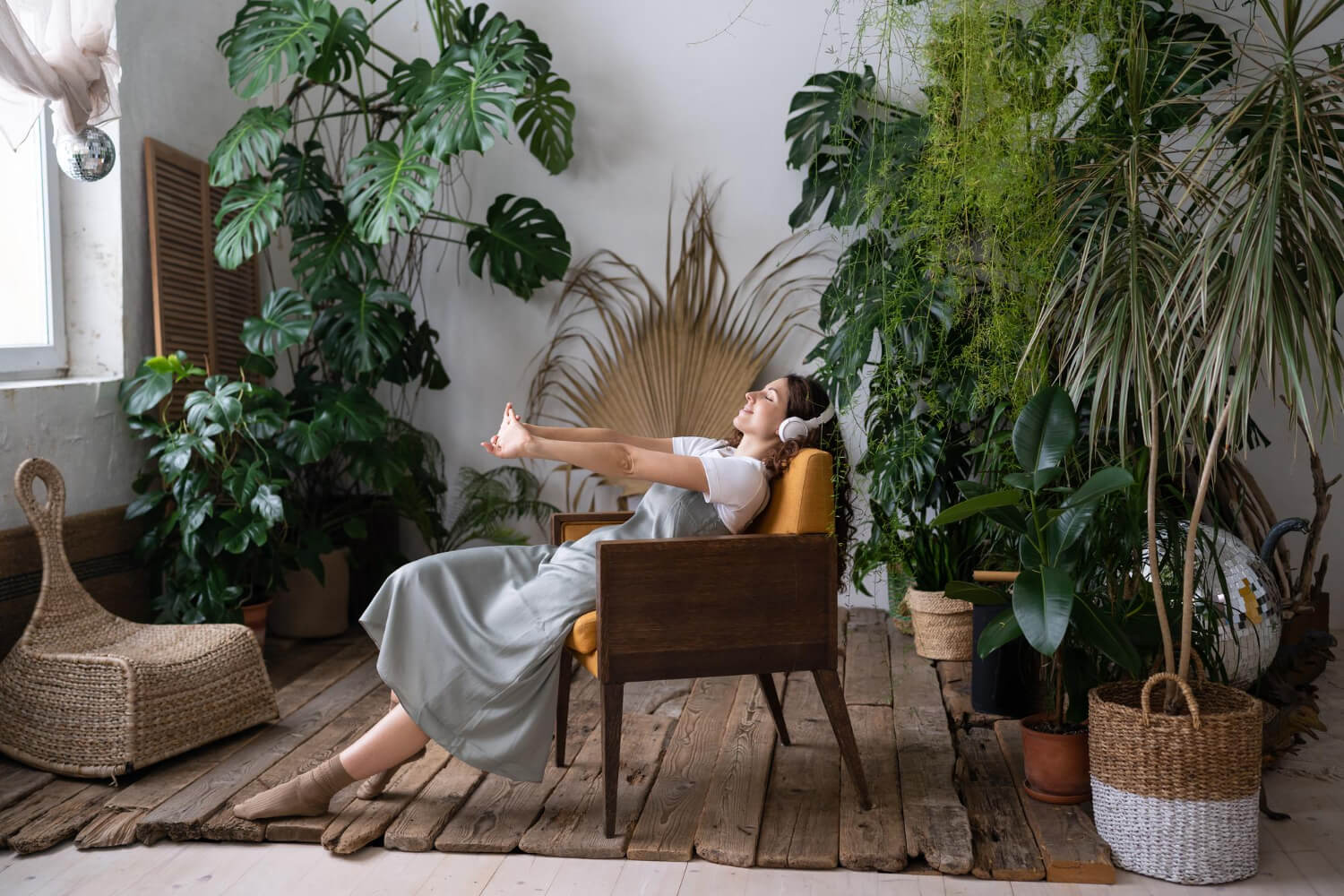
While “peace of mind” sounds subjective, the financial impact of nature-integrated design is backed by rigorous data. When we talk about an 8% premium, we are looking at the tangible results of improved cognitive function and reduced stress-related absenteeism.
For a deep dive into the specific metrics of these upgrades, the Terrapin Bright Green research group provides an essential resource with their report, 14 Patterns of Biophilic Design. This high-authority guide outlines how specific natural elements (such as visual connection to nature and thermal airflow) interact with human biology to increase property value and worker productivity. In the 2026 market, these patterns are no longer just design theory; they are the blueprint for high-performing, high-value real estate.
Biophilic ROI Quick-Reference Table (2026)
| Upgrade | Expected Cost | Wellness Benefit | Estimated Resale Lift |
| Skylight / Solar Tube | $1,500 – $3,500 | Circadian Alignment | 3% – 5% |
| Living Garden Wall | $150/sq. ft. | Air Purification | 5% – 8% |
| Large Window Expansion | $4,000 – $9,000 | Cognitive Rest | 7% – 10% |
| Natural Texture Overhaul | $2,000 – $5,000 | Stress Reduction | 4% – 6% |
FAQs: Biophilic Design & Property Value
Q: Is biophilic design hard to maintain?
A: In the past, yes. In 2026, however, “Smart Biophilia” is the trend. Self-watering planters and automated grow lights (integrated into your Maintenance Planner) take the guesswork out of keeping your “Home Sanctuary” alive.
Q: Does biophilic design require a full gut remodel?
A: Not at all. Significant gains in your PICO™ score can come from “Surface Biophilia”, adding natural textures, improving air flow with high-end fans, and optimizing current window placements.
Q: What is the most cost-effective biophilic upgrade?
A: Natural Light. Simply removing unnecessary partitions (as discussed in our Zoned Living guide) to allow light to penetrate deeper into the home offers the highest ROI for the lowest spend.
Q: Can biophilic design help sell a “fixer-upper”?
A: Yes! Use Kukun’s PrepToSell service to show buyers how adding a window or a garden feature can transform a dark, “unsellable” space into a high-value sanctuary.
The Verdict: The Future of Urban Luxury
As we move deeper into 2026, the definition of luxury is shifting from “opulence” to “connection.” A home that helps you breathe better, sleep deeper, and feel calmer is the ultimate investment. By embracing biophilic design, you aren’t just decorating; you are cultivating equity.

Written by Billy Guteng. February 23, 2026
Billy is a content writer for Kukun. He was born in France, and has lived in multiple cities around the world ever since. He loves art, design and architecture as well as construction and real estate.
Top blog posts









See more >
Recommended

Join our newsletter
Get helpful renovation tips, insightful home maintenance articles, real estate market trends, and more.
Please enter a name
Please enter a valid e-mail