Can I Build Another House on My Property?
Updated Fri, Feb 27, 2026 - 5 min read
Top blog articles
Are you considering building a second home on your property? Whether you’re looking to accommodate aging parents or expand your single-family home to create additional living space, the prospect of constructing a second dwelling is an exciting one. However, navigating the complexities of local zoning regulations, building codes, and permit requirements can be overwhelming. We’ll explore the essential considerations and steps involved in building another house on my property.
Can I Build a Second Dwelling on My Property?
In places like Victoria County, Texas, building a second dwelling on your property is possible. However, it is subject to local zoning regulations, building codes, and other relevant laws. Whether you can build a second dwelling depends on various factors. It includes the zoning designation of your property, land use restrictions, and specific regulations by the county or city government.
Also, in Texas, whether you can build a second house on your property depends on several factors. As we read previously, include local zoning ordinances, deed restrictions, and homeowners association (HOA) rules if applicable. Here are some key points to consider:
Zoning Regulations
The zoning regulations in your specific locality will determine whether you can build a second house on your property. Zoning laws typically dictate the types of structures allowed, minimum lot sizes, setbacks, and other requirements.
Permits and Approvals
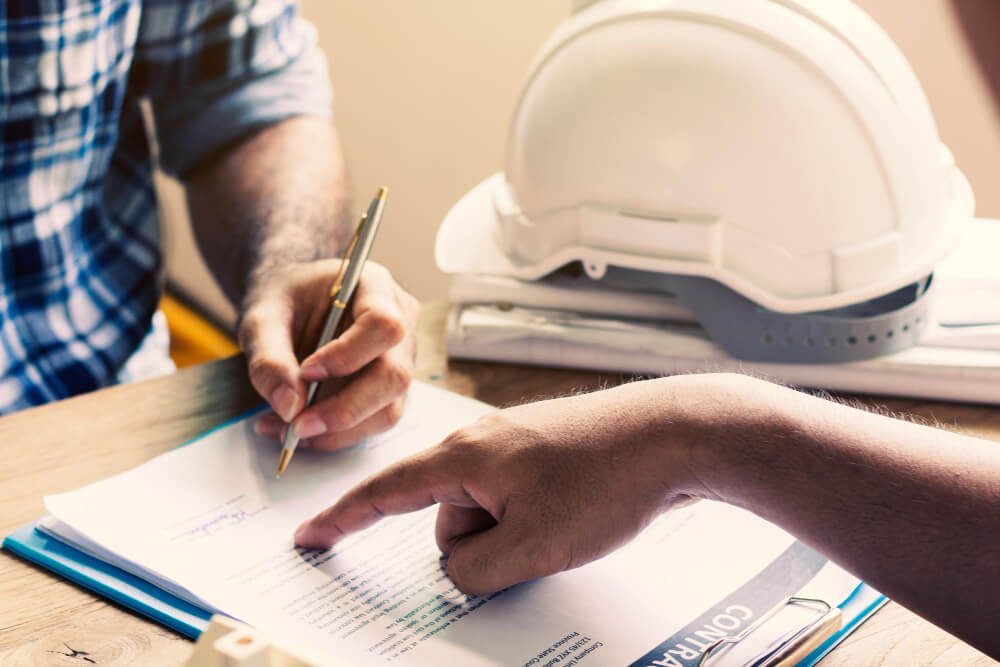
You will likely need to obtain various permits and approvals from local government authorities before starting construction. This may include building permits, zoning variances, and possibly other permits, depending on your location and the specific regulations in place.
Deed Restrictions and HOA Rules
If your property is subject to deed restrictions or is part of a homeowners’ association, there may be additional rules and regulations governing what you can build on your property. Review these documents carefully to understand any restrictions or requirements.
Utilities and Infrastructure
Ensure that your property has adequate access to utilities such as water, sewage, electricity, and gas to support the second house. If not, you may need to make arrangements for additional connections or upgrades.
Environmental Considerations
Consider any environmental factors, such as flood zones, wetlands, or protected habitats, that may impact your ability to build a second house on your property. You may need to obtain environmental permits or conduct assessments as required.
Neighborhood Impact
Local authorities may consider the impact of the proposed development on the surrounding neighborhood, including factors such as traffic, parking, and visual aesthetics.
Legal and Tax Implications
Consult with a real estate attorney or tax advisor to understand any legal or tax implications of building a second house on your property. This could include issues related to property taxes, liability, and more.
Before proceeding with any plans to build a second house on your property in Texas, it’s essential to thoroughly research and understand the applicable regulations, obtain necessary permits and approvals, and consult with professionals as needed to ensure compliance with all requirements.
Building a house is a significant undertaking that requires various skills and resources, and having multiple individuals involved can offer several advantages. Here are some ways in which two people can work together to build a house:
Joint Ownership
Two individuals can choose to jointly own the property on which the house will be built. This can involve purchasing land together or one person already owning the land and the other contributing to the construction costs.
Skill Sharing
Each person may bring different skills and expertise to the project. For example, one person might have experience in carpentry or construction, while the other may excel in design or project management. By combining their skills, they can divide tasks and responsibilities more efficiently.
Financial Partnership
Building a house requires a significant financial investment. Two people can pool their resources to finance the construction, whether through personal savings, loans, or other financing options. Sharing the financial burden can make the project more feasible and reduce the individual financial strain.
Labor Division
Dividing the labor between two people can expedite the construction process. For instance, one person might focus on framing and structural work, while the other handles interior finishes and landscaping. This can help streamline the construction timeline and ensure that work progresses smoothly.
Emotional Support
Building a house can be a demanding and stressful endeavor. Having a partner to share the workload can make the process more manageable and enjoyable. It can also foster a sense of teamwork and camaraderie throughout the project.
Shared Vision
Two people building a house together can collaborate closely to create a home that reflects their shared vision and preferences. They can work together to design the layout and choose materials and finishes.
Legal and Financial Considerations
Both parties need to clarify their roles, responsibilities, and legal rights from the outset. This may involve drafting a partnership agreement or other legal documents outlining ownership shares, financial contributions, decision-making processes, and dispute-resolution mechanisms.
Overall, building a house with another person can be a rewarding experience. Finally, you need a lot of collaboration, shared responsibility, and the creation of a home that both parties can take pride in.
Can I Build a Guest House on My Property in California?
Similarly, building a second house on your property in California presents an excellent opportunity to accommodate family members or generate rental income. Also, as the demand for housing continues to rise, especially in urban areas, constructing an Accessory Dwelling Unit (ADU) can provide a practical solution. ADUs, also known as granny flats or detached ADUs, offer a cost-effective way to expand your single-family home’s living space.
While the cost to build an ADU varies depending on factors such as size and location, many homeowners find the investment worthwhile. It’s essential to navigate the permitting process with local governments and ensure compliance with ADU construction regulations. With careful planning and consideration of real estate trends, building a detached ADU can add value to your single-family home while providing additional living space or rental opportunities.
Read more: Why your homes guts determine your resale value?

Written by Vanessa Gallanti. December 30, 2025
Enthusiast about planning, project management, construction materials and technology, and construction. A civil engineer from Los Andes University and a content writer for Kukun.
Top blog posts







See more >
Recommended

Join our newsletter
Get helpful renovation tips, insightful home maintenance articles, real estate market trends, and more.
Please enter a name
Please enter a valid e-mail