Creating a Wellness Room: The Ultimate Guide to Your Home Sanctuary
Created Thu, Jan 22, 2026 - 4 min read
Top blog articles
Home renovation can be exciting, but let’s be honest, it often comes with a fair share of anxiety. Between choosing the right contractor and keeping an eye on the budget, the process can feel overwhelming. But what if the end goal of your remodel was specifically designed to eliminate that stress?
Enter the Wellness Room.
In 2026, home design has shifted from purely aesthetic to deeply functional, with a focus on mental health and physical well-being. Whether it’s a dedicated meditation nook, a home spa, or a high-tech recovery room, creating a sanctuary within your four walls is no longer just a luxury; it’s a necessity for modern living.
What exactly is a wellness room?
A wellness room is a dedicated space in your home designed to promote relaxation, mindfulness, and health. Unlike a home gym, which is often high-energy and loud, a wellness room is your “quiet zone.” It’s a place to unplug from the digital world and reconnect with yourself.
For some, this might mean a yoga studio with natural light. For others, it’s a spa-like bathroom with a soaking tub and chromotherapy. According to the Global Wellness Institute, wellness is a proactive pursuit of activities that lead to a state of holistic health, and your home environment plays a starring role in that journey.
Why should you consider adding a wellness sanctuary?
Aside from the obvious mental health benefits, there are several practical reasons to invest in a wellness-focused remodel:
- Improved Home ROI: Health-conscious features are high on the list for modern homebuyers. A well-executed wellness room can significantly boost your property value.
- Enhanced Sleep and Productivity: By creating a space dedicated to “winding down,” you can improve your circadian rhythm and overall focus.
- Multi-functional Appeal: These rooms can double as quiet home offices or guest retreats, making them a versatile addition to any floor plan.
How to design your wellness space
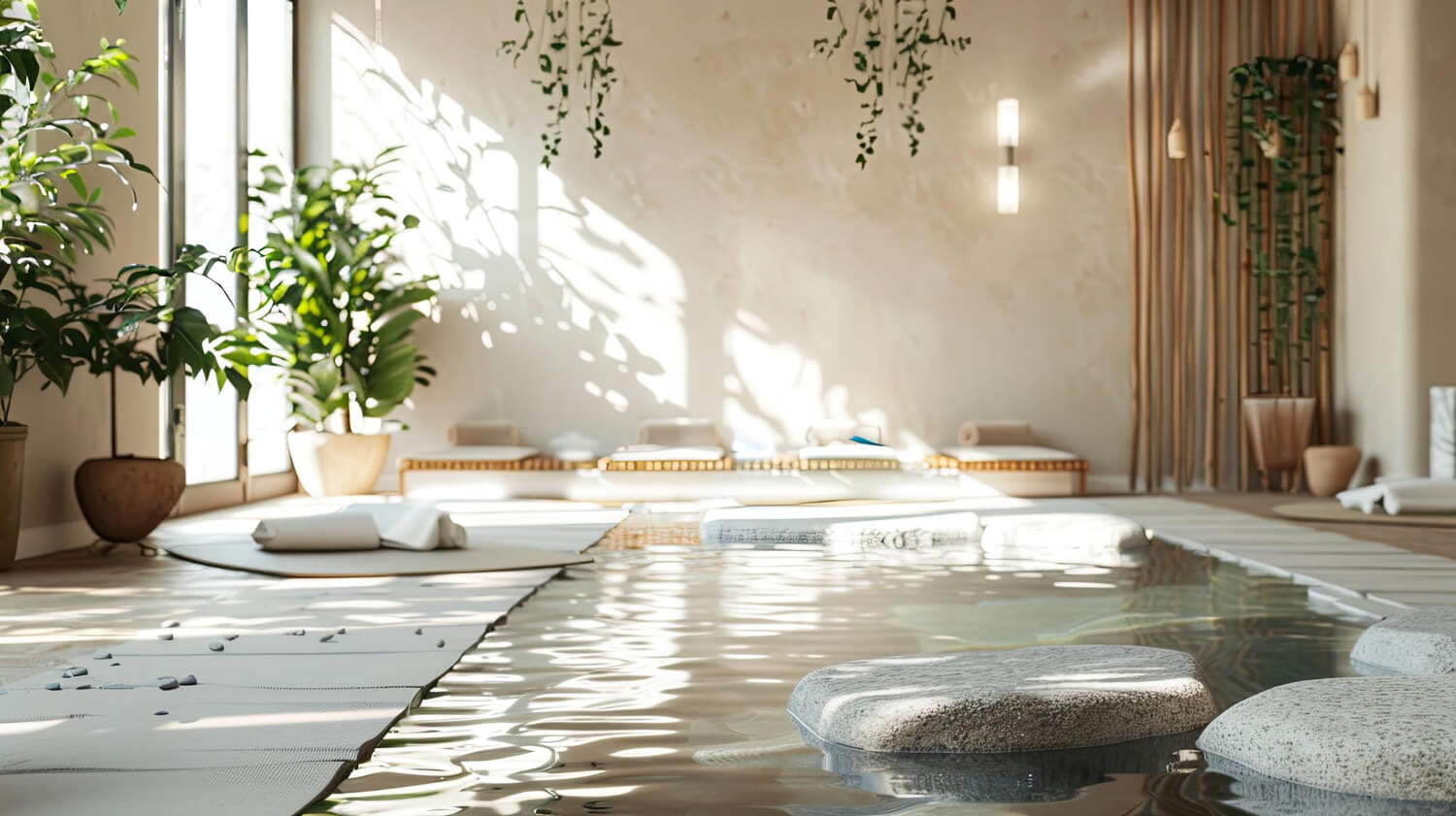
Creating a sanctuary doesn’t require a massive footprint. It requires intentionality. Here are the key elements to consider:
1. Prioritize Biophilic Design
Bringing the outdoors in is a cornerstone of wellness. Use natural materials like reclaimed wood, stone, and plenty of indoor plants. Studies from the Environmental Protection Agency (EPA) suggest that improving indoor air quality through ventilation and natural elements can significantly impact your long-term health.
2. Focus on Lighting and Sound
Avoid harsh overhead lights. Instead, opt for dimmable, warm-toned lighting. If you’re looking for a professional touch, consider “furred out” walls to add extra soundproofing, ensuring your sanctuary remains whisper-quiet. Read more: What is a fur out wall and why do you need it?
3. Choose a Soothing Color Palette
Stick to earthy tones, soft greens, muted blues, and warm terracottas. These colors are proven to lower heart rates and promote a sense of calm.
Cost and ROI: Is it worth the investment?
The cost of a wellness room can vary wildly. A simple meditation corner might cost you a few hundred dollars in decor, while a full-scale home spa with a sauna and steam shower can range from $15,000 to $50,000.
However, the return on investment is often impressive. Much like a kitchen renovation or a bathroom remodel, wellness features are currently seeing a high recoup rate. In competitive real estate markets, “wellness-ready” homes often sell faster than traditional listings because they offer a move-in-ready lifestyle, not just a building.
To get a precise idea of what your specific sanctuary will cost, you can use the Kukun Home Renovation Cost Estimator. By selecting your finish levels and location, you’ll get a realistic figure before you even pick up a hammer.
Steps to start your wellness remodel
If you’re an experienced DIYer, you can tackle the painting and decor yourself. But for plumbing, electrical, or structural changes, we always recommend hiring a professional.
- Define the Scope: Will this be a simple room refresh or a full addition?
- Set a Budget: Use real-time data to avoid “sticker shock” halfway through the project.
- Find a Contractor: Look for professionals with experience in high-end finishes and eco-friendly materials.
- Check for Permits: Before you start digging or moving walls, ensure you are compliant with local building codes. Read more: How long does it take to get a building permit?
Last thoughts
Renovating your home to include a wellness room is more than just a design trend; it’s a commitment to your quality of life. In a world that is increasingly loud and fast-paced, having a dedicated space to breathe and reset is the ultimate luxury.
So, go ahead and plan that sanctuary. Whether it’s for yoga, reading, or just sitting in silence, your future self will thank you.

Written by Billy Guteng. January 22, 2026
Billy is a content writer for Kukun. He was born in France, and has lived in multiple cities around the world ever since. He loves art, design and architecture as well as construction and real estate.
Top blog posts










See more >
Recommended

Join our newsletter
Get helpful renovation tips, insightful home maintenance articles, real estate market trends, and more.
Please enter a name
Please enter a valid e-mail