The Energy Audit: How to Move Your Home to an A+ Rating and Save $4k Annually on Utilities
Updated Wed, Mar 18, 2026 - 5 min read
Top blog articles
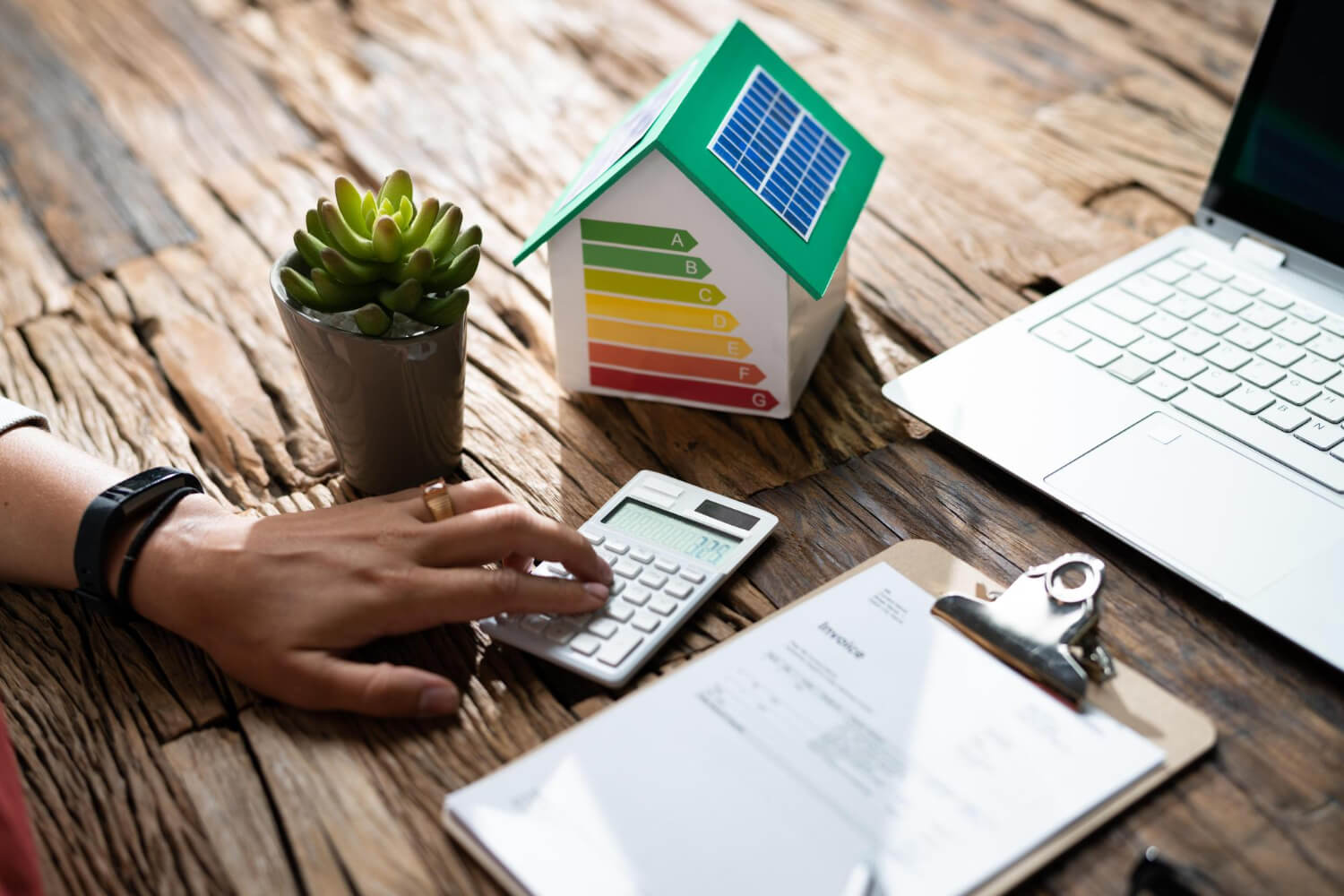
We’ve reached a tipping point in 2026. The “Energy Performance Certificate” (EPC) has evolved from a dusty piece of paper in a closing file to a primary driver of property value. As global energy markets remain volatile and new “Net Zero” housing regulations take effect, homeowners are facing a stark reality: an inefficient home is a depreciating asset.
If your home currently sits in the C or D range, you aren’t just losing money on monthly utilities; you are potentially losing thousands in “Hidden Equity.” At Kukun, we’ve tracked a direct correlation between energy upgrades and PICO™ Property Condition Scores. An A-rated home in 2026 sells faster and at a premium compared to its “leaky” counterparts.
But how do you bridge that gap? It requires a transition from passive maintenance to Smart Utility Upgrades.
Understanding the 2026 EPC Landscape: The A+ Standard
In 2026, the “A+ Standard” represents a home that produces as much energy as it consumes, or very close to it. To get there, you must address both Envelope Efficiency (keeping the air in) and Generation Efficiency (how you create power).
The Aerothermal vs. Photovoltaic Debate
When homeowners look to slash bills, the two heavy hitters are Aerothermal (Air Source Heat Pumps) and Photovoltaic (Solar PV) systems.
- Aerothermal (ASHP): These systems pull heat from the outside air to warm your home and water. In 2026, ultra-quiet, high-efficiency units are the gold standard for climate control.
- Cost: $12,000 – $18,000 (before rebates).
- Impact: Can reduce heating bills by up to 50% compared to traditional gas or electric furnaces.
- Photovoltaic (Solar PV): Converting sunlight into electricity.
- Cost: $15,000 – $25,000 (including 2026 battery storage solutions).
- Impact: In many regions, this can virtually eliminate your electricity bill and even allow you to sell power back to the grid.
How to Improve Home Energy Rating in 2026: A Step-by-Step Path
Moving from a ‘D’ to an ‘A’ rating requires a strategic order of operations. You cannot simply “solar-panel” your way out of a drafty house.
Step 1: Seal the Envelope (The “Furr Out” Strategy)
Before upgrading your HVAC, you must ensure your walls aren’t bleeding heat.
- The Strategy: Adding internal insulation or “furring out” walls to include high-performance vapor barriers and mineral wool insulation.
- The ROI: Improving insulation is the most cost-effective way to jump an entire EPC letter grade.
Step 2: Smart Window Technology
In 2026, double-glazing is the bare minimum. A+ rated homes utilize Low-E (low-emissivity) triple glazing with argon gas fills to prevent thermal transfer.
- Estimated Cost: $800 – $1,500 per window.
Step 3: Electrification of Utilities
Transitioning away from gas appliances to high-efficiency induction cooktops and heat pump dryers. This not only improves your EPC but also significantly boosts your Healthy Home rating by improving indoor air quality.
The Maintenance Connection: Protecting Your Efficiency ROI
Here is where many homeowners fail: they install expensive systems but don’t maintain them. In 2026, an unmaintained solar array or a clogged heat pump isn’t just inefficient; it can be a liability.
At Kukun, our Smart Maintenance Schedule is designed specifically to protect these high-value assets.
- Proof of Maintenance: Did you know that in 2026, many insurance carriers require proof of annual HVAC and solar inspections to honor “Efficiency Performance” clauses?
- The Insurance Hack: Presenting a documented maintenance log through Kukun can often qualify you for lower premiums, as it proves your systems are operating safely and at peak performance.
What it Costs to Save $4,000: The 2026 Budget Guide
Based on Kukun’s localized 2026 data, here is the investment required to see significant annual utility savings.Upgrade Type Estimated Cost Annual Savings (Avg) Payback Period Smart Thermostats & LED Overhaul $1,200 $400 3 Years Aerothermal Heat Pump $14,000 $1,800 7-8 Years Solar PV + Battery Storage $22,000 $2,200 10 Years Attic & Wall Insulation $3,500 $600 6 Years
FAQs: Navigating the 2026 Energy Shift
Q: Are there government grants for EPC upgrades in 2026?
A: Yes. Many “Green Deal” programs in 2026 provide point-of-sale rebates for heat pumps and solar installations. For the most up-to-date high-authority information on federal incentives, visit the U.S. Department of Energy (DOE) Savings Hub.
Q: Can I reach an A+ rating without solar panels?
A: It is extremely difficult. While you can reach an ‘A’ with exceptional insulation and aerothermal systems, the ‘A+’ usually requires some form of on-site renewable energy generation to offset remaining consumption.
Q: Does a high EPC rating really increase home value?
A: Absolutely. A 2026 study by the National Association of Home Builders (NAHB) found that buyers are willing to pay an average of $9,000 more for a home that saves just $1,000 a year in utility costs.
Q: How do I know which upgrade to do first?
A: Start with a professional energy audit. Many utility companies offer these for free. Once you have your report, use the Kukun Renovation Cost Estimator to see which upgrade offers the best ROI for your specific zip code.
The Verdict: Efficiency is the New Currency
In 2026, we are no longer just “renovating for beauty.” We are renovating for resilience. By moving your home toward an A+ rating, you are insulating your bank account from rising energy costs and ensuring your home remains a top-tier asset in the real estate market.
Don’t let the “EPC Gap” swallow your home’s potential. Start with the data, build for the future, and watch your utility bills disappear.

Written by Billy Guteng. February 13, 2026
Billy is a content writer for Kukun. He was born in France, and has lived in multiple cities around the world ever since. He loves art, design and architecture as well as construction and real estate.
Top blog posts










See more >
Recommended

Join our newsletter
Get helpful renovation tips, insightful home maintenance articles, real estate market trends, and more.
Please enter a name
Please enter a valid e-mail