How Pre-Approved ADU Plans Are Solving the 2026 Cash-Flow Crisis
Created Fri, Apr 24, 2026 - 4 min read
Top blog articles
Sponsored Rates for October 2026
Compare Rates for Mortgage, Personal Loans and Home Equity


The 2026 housing market is no longer about finding the “perfect” property; it’s about manufactured density. As states like California and Washington mandate that cities provide pre-approved ADU plans, the barrier to entry for “Backyard Cottages” has collapsed. What used to be an 18-month architectural nightmare is now a “Permit-Ready” financial product.
At Kukun, we track this shift through the PICO™ Functional Utility score. Adding an ADU doesn’t just add a second rent check; it fundamentally changes the “Asset Class” of your property from a Single-Family Home to a Multi-Unit Cash Cow, increasing your appraisal floor and shielding you from market volatility.
1. The “Permit-Ready” Revolution: Pre-Approved ADU Plans 2026
In 2026, time is the most expensive line item in construction. Pre-approved plans are the “Fast Pass” of the renovation world.
- What They Are: Standardized architectural sets already vetted by the local building department for structural, fire, and safety code compliance.
- The Cost Save: Using a pre-approved plan can save $8,000 – $15,000 in architectural fees and slash permit review times from 6 months to under 30 days in many “ADU-Friendly” cities.
- Kukun Integration: Our Addition Calculator now includes “Pre-Approved” presets, allowing you to estimate the ROI of these specific models in seconds.
2. The Yield Gap: Modular ADU Costs vs. Rental Yield
In 2026, the debate isn’t “Should I build an ADU?” but “Should I build it or drop it in?”
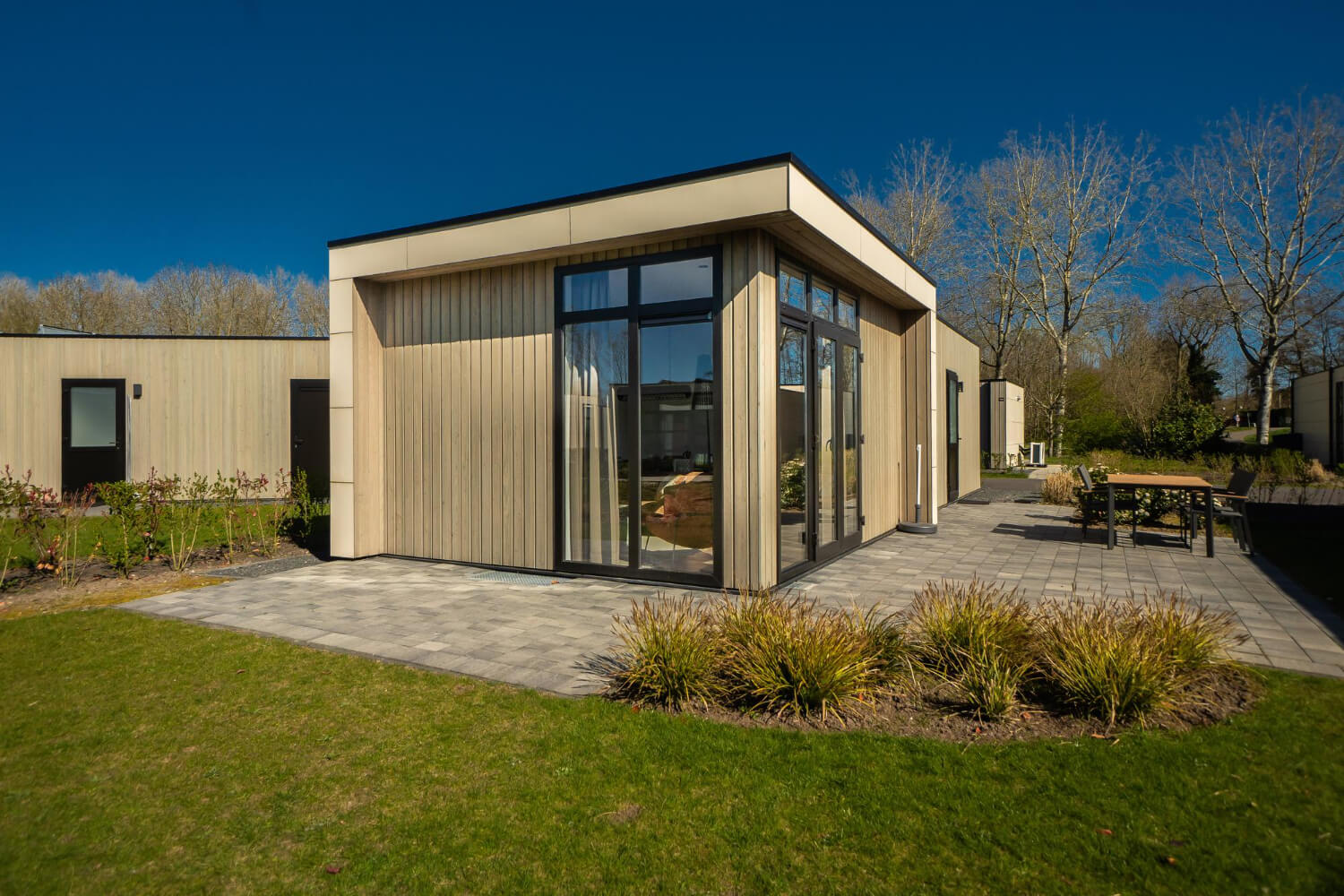
Modular/Prefab ADUs (The Speed Play)
- 2026 Cost: $180,000 – $240,000 (all-in).
- Yield Potential: Because they can be installed in weeks, not months, you capture rent faster. In a high-cost city like Seattle or San Diego, a 1-bedroom modular ADU can command $2,200 – $3,500/month.
- ROI: Investors are seeing a 10% to 15% annual yield on modular units when factoring in the reduced carrying costs.
Site-Built ADUs (The Custom Play)
- 2026 Cost: $220,000 – $300,000+.
- Yield Potential: While slower to build, site-built units allow for “A+ Finish Grades” that align with the main house, maximizing the PICO™ Condition Score.
- ROI: High for long-term appreciation, though initial cash flow is slightly lower due to higher financing costs during the longer construction phase.
3. The Multi-Unit Multiplier: 2026 ADU ROI Matrix
| Market Type | Avg. ADU Cost | Est. Monthly Rent | Annual Gross Yield | PICO™ Score Lift |
| High-Cost (San Francisco) | $280,000 | $3,800 | 16.2% | +15 Points |
| Growth-Tech (Austin) | $190,000 | $2,100 | 13.2% | +12 Points |
| Secondary (Indy) | $145,000 | $1,350 | 11.1% | +10 Points |
Future-Proofing: Beyond the Rent Check
In 2026, the ADU is the ultimate “Hedge Asset.” It’s not just a rental; it’s a lifestyle insurance policy.
- The Silver Tsunami Hedge: a pre-approved ADU can be easily converted into a senior living suite, allowing parents to age in place while the kids stay in the main house.
- The Appraisal Floor: Banks in 2026 are increasingly valuing ADUs based on their Income Potential (Income Approach) rather than just square footage (Comps). This protects your equity if the local neighborhood’s price-per-square-foot stalls.
High-Authority Insight: The Legal Landscape
To maximize your ADU investment, you must stay aligned with state-level mandates that override local NIMBY (“Not In My Backyard”) restrictions.
According to the California Department of Housing and Community Development (HCD) 2026 ADU Handbook, recent legislation like AB 434 requires all major cities to offer pre-approved ADU plans by 2026. This state-level push has effectively “de-risked” the ADU for the average investor, making it one of the most stable and predictable yield strategies in the current real estate cycle.
FAQs: Designing Your Dividend
Q: Do I need to provide parking for an ADU in 2026?
A: In most states with ADU reform (like CA, OR, WA), parking requirements are waived if you are within 1/2 mile of public transit. Always check your local AHJ through Kukun first.
Q: Can I sell the ADU separately from the house?
A: Under new 2026 “Condo-Conversion” laws (like CA’s AB 1033), some cities now allow you to sell your ADU as a separate condominium, potentially doubling your exit value.
Q: How does the PICO™ score track an ADU?
A: The PICO™ Functional Utility score specifically rewards “Highest and Best Use.” A property with a permitted ADU receives a “Density Bonus” that elevates it above standard single-family comps in AI-valuation models.
Q: Is modular better than site-built for ROI?
A: For cash flow, yes. The speed of installation (often 2-4 weeks vs. 6-9 months) means you are collecting rent almost a year sooner, which significantly boosts your “Internal Rate of Return” (IRR).
The Verdict: Yield is Found in Your Backyard
In 2026, you don’t need to buy a new zip code to find cash flow; you just need a new blueprint. By utilizing pre-approved ADU plans and focusing on high-speed modular solutions, you are bypassing the “Affordability Wall” and building your own dividends. Use the Kukun Addition Calculator to see how much income is hiding in your backyard today.

Written by Alejandro Guerrero. April 24, 2026
With a mixed love between the sciences and the arts and a passion for reading, Alejandro has developed a background that allows him to discuss many subjects. Being home design one of them, he likes to share thoughts and tips on how to not to forget that those buildings we live in are our homes at the end.
Top blog posts









See more >
Recommended

Join our newsletter
Get helpful renovation tips, insightful home maintenance articles, real estate market trends, and more.
Please enter a name
Please enter a valid e-mail