Is Your Inefficient Heating System Costing You More in Fines Than Fuel in 2026?
Updated Wed, Mar 25, 2026 - 4 min read
Top blog articles
For years, the phrase “carbon tax” was something that happened to corporations and industrial plants. In 2026, it will officially arrive on your doorstep. In cities like New York, Denver, and Seattle, new regulations (such as the expanded Local Law 97 and similar “Green Building” mandates) are now applying emissions surcharges directly to residential properties that exceed specific carbon thresholds.
If your home is still running on an aged gas boiler or lacks high-performance insulation, you aren’t just paying for the fuel; you are paying a “penalty for pollution.” At Kukun, we’ve integrated these regulatory risks into our A+ Energy Standard. By using our Remodel Cost Estimator to plan your “Net Zero” roadmap, you can shift your home from a “taxable liability” to a “high-performance asset.”
How Residential Carbon Taxes Affect Home Value in 2026
The market is currently pricing in a “Carbon Discount” for inefficient homes. In 2026, a buyer isn’t just looking at your mortgage; they are looking at your “Compliance Cost.”
- The Surcharge Factor: In high-regulation zones, homes exceeding emissions limits can face annual surcharges ranging from $500 to $2,500.
- The Valuation Hit: Appraisers are beginning to subtract the “Net Present Value” of these future fines from a home’s total worth. An un-retrofitted home can see a 3% to 5% drop in value compared to a “Net Zero Ready” neighbor.
- The Solution: A home emissions audit is now a standard part of the 2026 pre-sale process.
Home Emissions Rating: The New Real Estate Metric
In 2026, every home has a “Grade.” Similar to the European model, U.S. cities are adopting Home Energy Scores (HES) or Building Performance Standards (BPS).
- Grade A/A+: These homes are fully electric, high-insulation, and often produce as much energy as they consume. They are exempt from surcharges and qualify for the Green Premium.
- Grade D/F: These are “Stranded Assets”, homes reliant on heating oil or old gas systems. These homes are the primary targets for 2026 emissions fines.
- iHomeManager Integration: Track your emissions rating. When it’s time to sell, your “Digital Compliance Passport” proves to the buyer that they won’t inherit a tax burden.
Cost of Full-Home Electrification ROI 2026
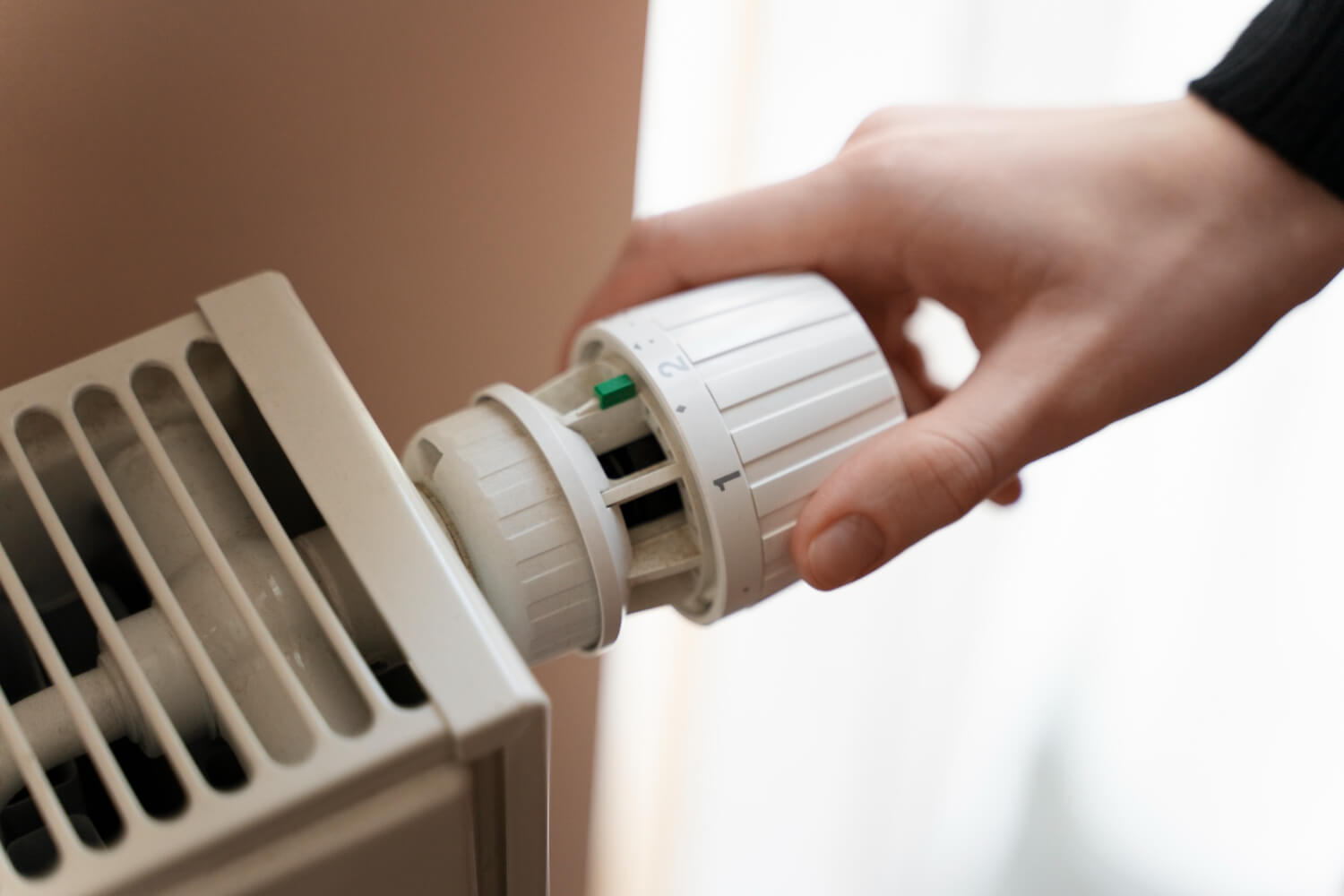
“Electrification” is the process of replacing fossil-fuel-burning appliances (furnaces, water heaters, stoves) with high-efficiency electric versions (heat pumps, induction).
2026 Electrification ROI Matrix
| Project | Estimated Cost | Annual Fine Avoidance | Utility Savings | ROI (Years) |
| Air-Source Heat Pump | $12,000 – $18,000 | $800 | $600 – $1,000 | 7 – 9 Years |
| Heat Pump Water Heater | $2,500 – $4,500 | $200 | $300 – $500 | 4 – 6 Years |
| Induction Cooktop | $1,500 – $3,000 | $100 | Marginal | 10+ Years* |
| Full “Net Zero” Retrofit | $40,000+ | $2,500+ | $2,000+ | 8 – 12 Years |
*Induction ROI is driven primarily by health/safety and resale appeal rather than pure energy savings.
The Roadmap to “Net Zero” Compliance
To avoid the 2026 “Gas Tax,” homeowners should follow this data-driven sequence:
- Perform a Carbon Audit: Use Kukun to see where your home stands relative to your city’s 2026 surcharges.
- Seal the Envelope: Before buying a heat pump, invest in A+ Insulation and Windows. A smaller, more efficient house requires a cheaper HVAC system.
- Electrify the Core: Prioritize the Heat Pump and Heat Pump Water Heater. These are the biggest contributors to your carbon footprint.
- Leverage Incentives: In 2026, federal and local tax credits can often cover 30% to 50% of electrification costs.
FAQs: Navigating the 2026 Emissions Landscape
Q: Is the carbon tax “real” or just a utility increase?
A: In 2026, it is a regulatory surcharge often appearing on your property tax bill or as a separate municipal fine. It is distinct from your monthly utility usage.
Q: What if I can’t afford to electrify right now?
A: Focus on “Deep Weatherization.” Reducing the amount of gas you need to burn will lower your emissions rating even before you swap out the equipment.
Q: Are induction stoves really better for my home’s value?
A: Yes. In 2026, high-end buyers view gas ranges as a health and compliance liability. Induction is seen as the “clean, safe, and modern” choice.
The Verdict: The Cost of Inaction is Rising
In 2026, your home’s “operating system” is being audited by the city. You can either invest that capital into your own home’s equity through electrification, or you can pay it to the city in the form of fines. The choice is clear: The “A+ Energy Home” isn’t just a lifestyle choice, it’s the only way to protect your wealth in a decarbonizing world.

Written by Alejandro Guerrero. March 25, 2026
With a mixed love between the sciences and the arts and a passion for reading, Alejandro has developed a background that allows him to discuss many subjects. Being home design one of them, he likes to share thoughts and tips on how to not to forget that those buildings we live in are our homes at the end.
Top blog posts







See more >
Recommended

Join our newsletter
Get helpful renovation tips, insightful home maintenance articles, real estate market trends, and more.
Please enter a name
Please enter a valid e-mail