Understanding 2026 NEC Electrical Code for Your Kitchen or ADU Remodel
Created Fri, Apr 10, 2026 - 4 min read
Top blog articles
In 2026, a “passed inspection” is the ultimate validation of your home’s Infrastructure Health. The National Electrical Code (NEC) has introduced several “safety-first” revisions (specifically Section 210.8) that significantly impact how we power our modern kitchens and adaptive garages.
At Kukun, we believe your electrical system is your home’s “central nervous system.” By using iHomeManager to store your electrical permits and inspection certificates, you are building a “Digital Vault” that proves to future buyers (and AI appraisers) that your home is safe, compliant, and ready for the EV-Ready era.
1. 2026 NEC Code Requirements for Kitchen Outlets
The 2026 code has doubled down on preventing “hanging cord” hazards. If you are remodeling a kitchen island or peninsula, the old “side-mounted” outlets are officially a thing of the past for new construction.
- The Countertop Rule: Receptacles serving kitchen countertops can no longer be installed below or within 24 inches below the countertop surface.
- The “Pop-Up” Solution: To meet code on islands, designers are now using listed pop-up outlet assemblies that sit flush within the countertop.
- The Future Provision: Even if you don’t install an outlet on your island today, the 2026 NEC requires a “future provision”, meaning you must rough-in a junction box or conduit for a future installation.
2. The Great Safety Debate: AFCI vs. GFCI Breakers
In 2026, the question isn’t “which one do I need?” It’s “where do I need both?”
- GFCI (Ground Fault Circuit Interrupter): Protects people from shock. Required in “wet” areas like kitchens, bathrooms, garages, and laundry rooms.
- AFCI (Arc Fault Circuit Interrupter): Protects the building from fire. Required in virtually all living spaces (bedrooms, living rooms, and now expanded to kitchen appliances).
- The Dual-Function Solution: For kitchen circuits, the 2026 code often requires Dual-Function AFCI/GFCI breakers. These high-performance breakers detect both arcing (fire risk) and ground faults (shock risk) on the same circuit.
3. Grounding Old House Wiring: The 2026 Cost Reality
If your home was built before 1965, you may still have “two-prong” ungrounded outlets. In 2026, this is considered a critical PICO™ Health Risk.
- Cost to Ground a House (2026 Data): * Grounding Rod Installation:$200 – $500 for the rod and connection to the panel.
- Full Home Rewiring: For a 1,500 sq. ft. home, expect $6,000 – $10,000.
- The ROI: An ungrounded home is often ineligible for preferred risk insurance. Grounding your system immediately lowers your risk profile and boosts your Infrastructure Health rating.
2026 NEC Infrastructure Matrix
| Upgrade | 2026 Code Section | Average Cost | PICO™ Impact |
| Kitchen Island Pop-Ups | NEC 210.52(C) | $600 – $1,200 | Functional Utility |
| AFCI/GFCI Dual Breakers | NEC 210.8 & 210.12 | $80 – $120/ea | Safety/Compliance |
| 200-Amp Panel Upgrade | NEC 230 | $3,500 – $4,500 | Core Infrastructure |
| Grounding Rod System | NEC 250 | $300 – $500 | Safety Baseline |
Why Your “Digital Vault” Matters for Appraisals
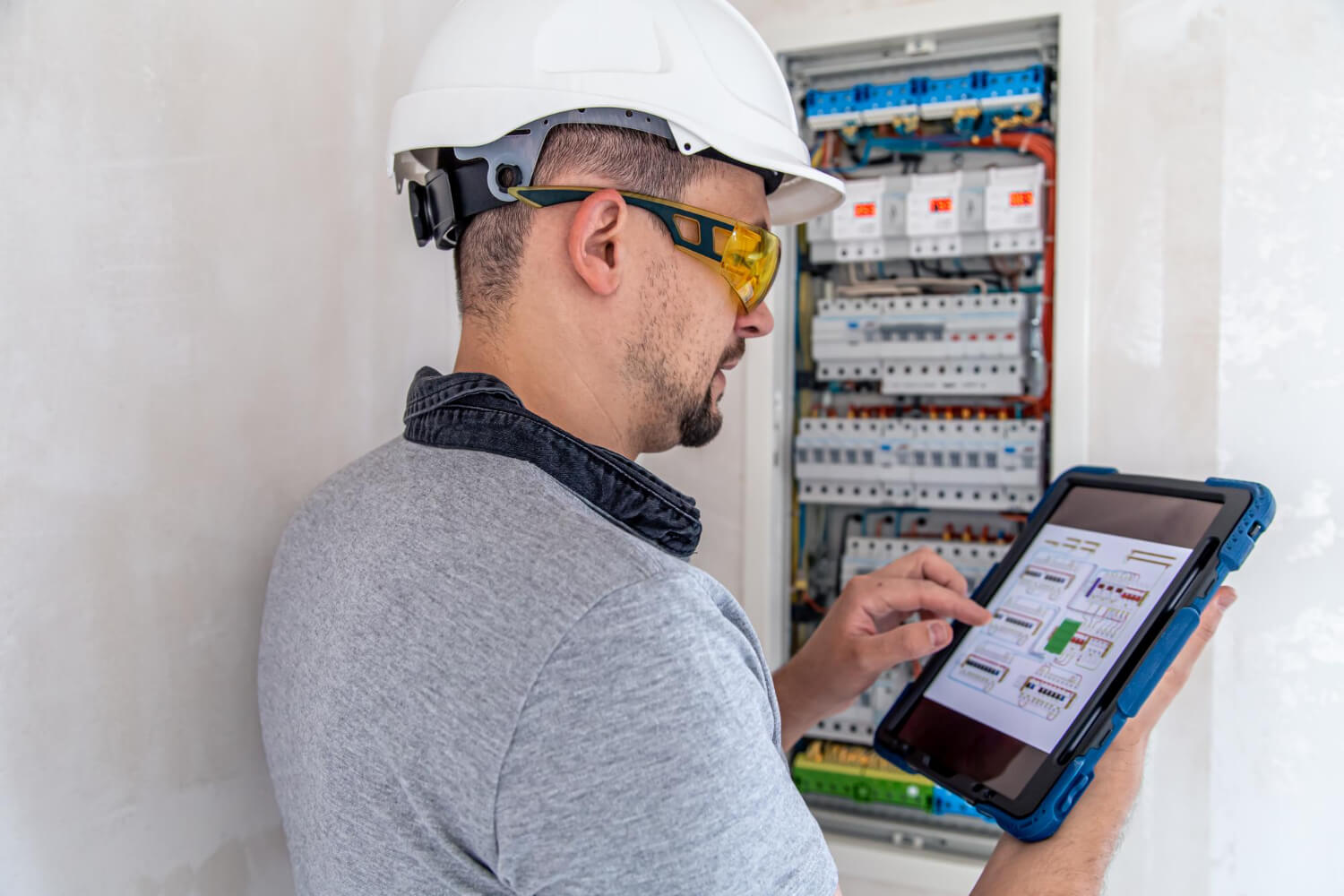
In 2026, an appraiser (human or AI) can’t see through your walls to check if your wiring is grounded or if your breakers are AFCI-protected.
- The Proof Gap: Without documentation, your expensive electrical upgrade is “invisible” to the valuation.
- The iHomeManager Fix: Store your “Electrical Certificate of Inspection” (CIE) and your permit history in iHomeManager. This allows you to “hand over” a verified technical record to the appraiser, ensuring your $10k rewiring project results in a $10k+ valuation lift.
FAQs: Passing the 2026 Inspection
Q: Does the 2026 code require HVAC units to be GFCI-protected?
A: Yes. After September 1, 2026, most new HVAC units (especially variable speed systems) will no longer be allowed to operate without GFCI protection.
Q: Can I “self-ground” an outlet by using a GFCI?
A: Per code, you can replace a two-prong outlet with a GFCI and mark it “No Equipment Ground.” This protects people from shock, but it doesn’t provide a ground path for sensitive electronics (like your home office PC).
Q: Are cable ties now part of the code?
A: Surprisingly, yes. Section 300.13 now requires that cable ties used for supporting cables be specifically identified for that use.
The Verdict: Code is Your Competitive Advantage
In 2026, “building to code” isn’t a hurdle; it’s a marketing strategy. A home that is 100% compliant with the 2026 NEC is a home that is easier to insure, easier to sell, and far more valuable. By documenting your electrical journey in iHomeManager, you are turning a “utility expense” into a “documented asset.”

Written by Alejandro Guerrero. April 10, 2026
With a mixed love between the sciences and the arts and a passion for reading, Alejandro has developed a background that allows him to discuss many subjects. Being home design one of them, he likes to share thoughts and tips on how to not to forget that those buildings we live in are our homes at the end.
Top blog posts










See more >
Recommended

Join our newsletter
Get helpful renovation tips, insightful home maintenance articles, real estate market trends, and more.
Please enter a name
Please enter a valid e-mail