The Non-Toxic Home: A Room-by-Room Guide to Healthy Materials and Their ROI
Updated Sat, Mar 14, 2026 - 4 min read
Top blog articles
We often worry about what we put into our bodies, but how often do we think about what our bodies are putting up with from our surroundings? In 2026, the “Healthy Home” isn’t just a niche for the ultra-wealthy. It’s a mainstream movement driven by a simple realization: your home environment is a silent partner in your long-term health.
At Kukun, we’ve tracked a fascinating trend. Wellness is now a measurable category in home appraisals. Homes that feature certified air filtration, non-toxic materials, and circadian lighting are no longer just “nice to have”; they are receiving higher PICO™ Property Condition Scores because they represent a modernized, future-proof asset.
Here is how to execute a “Micro-Renovation” for wellness, room by room.
The Living Area: Breathing Easy
The air inside our homes can be up to five times more polluted than the air outside. Between off-gassing furniture and seasonal allergens, your living room might be a respiratory hurdle.
- The Micro-Renovation: Install a whole-home HEPA air filtration system.
- Home Air Quality Systems Cost: In 2026, a high-end integrated system ranges from $1,800 to $4,500, depending on your existing HVAC setup.
- The ROI: Aside from lower medical bills and better sleep, a documented air purification system is a major selling point for families with young children or seniors.
The Kitchen and Bedrooms: Non-Toxic Flooring Options
If you are still walking on old-school laminate or synthetic carpets, you may be exposed to Volatile Organic Compounds (VOCs).
- The Micro-Renovation: Swap out synthetic surfaces for natural alternatives.
- The Options: * Cork Flooring: Naturally antimicrobial, soft on the joints, and sustainable.
- FSC-Certified Hardwood: Use water-based, low-VOC finishes to ensure no off-gassing.
- Natural Linoleum: Not to be confused with vinyl; it’s made from linseed oil and wood flour.
- The ROI: According to the Green Building Council, healthy indoor environments can increase property value by up to 7% in health-conscious markets.
The Bathroom: The Micro-Spa Shift
We’ve previously discussed how to create a full wellness room, but you can start smaller in the bathroom.
- The Micro-Renovation: Focus on water purity.
- The Upgrade: Install a multi-stage shower filtration system and replace traditional grouts with antimicrobial, mold-resistant versions.
- The Wellness Angle: Reducing chlorine and heavy metals in your shower water is a “beauty and health” win that requires almost zero construction.
Throughout the Home: Light Therapy Home Design
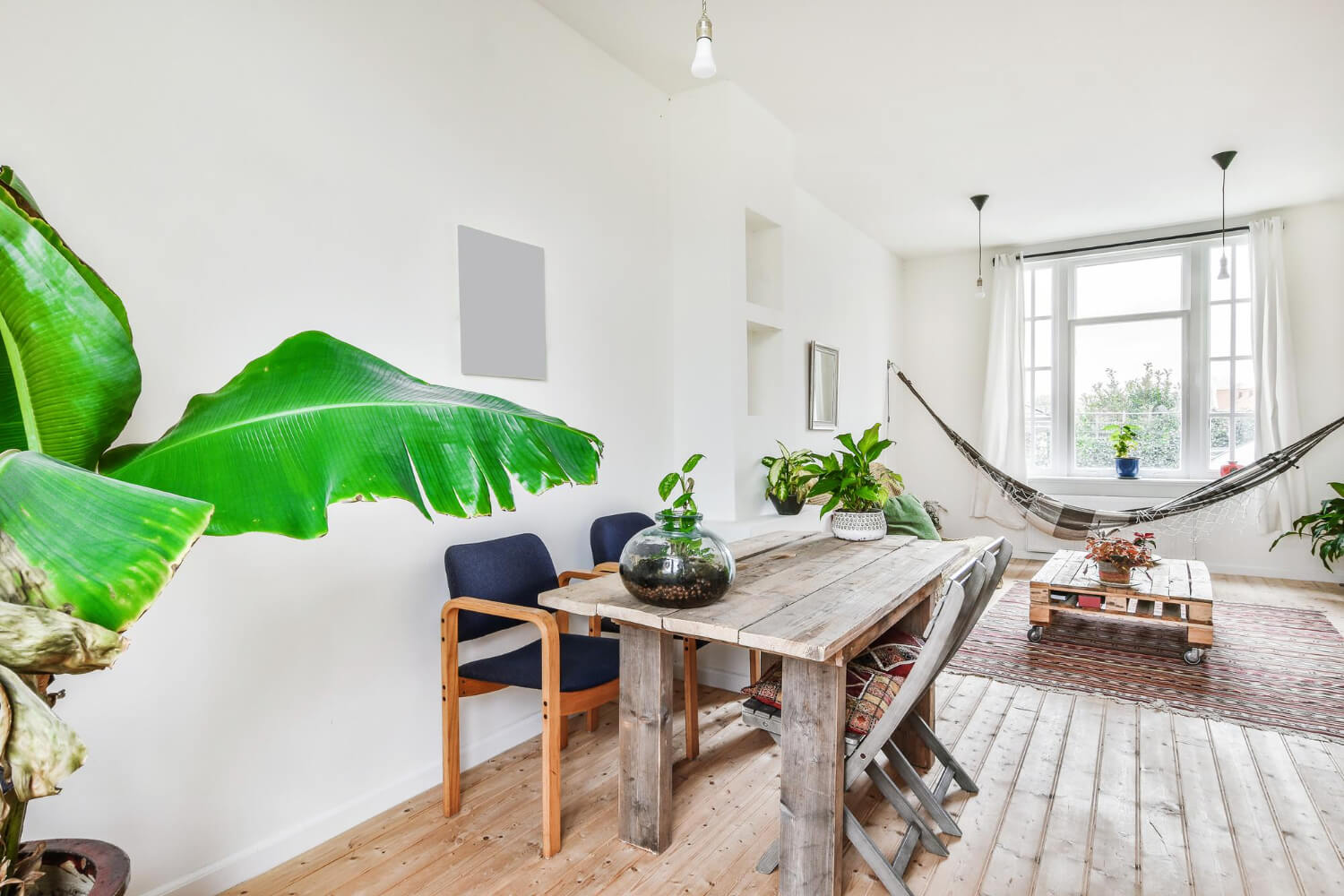
Our circadian rhythms are governed by light. In 2026, “Light Therapy” design is about more than just SAD lamps; it’s about integrated systems that mimic the sun.
- The Micro-Renovation: Upgrade to circadian-tuned smart lighting.
- The Goal: Blue-enriched light in the morning for alertness and warm, amber-toned light in the evening to stimulate melatonin.
- The Cost: A full-home smart lighting swap-out typically costs $800 – $2,500.
FAQs: The Economics of the Healthy Home
Q: Does “non-toxic” always mean “more expensive”? A: Not necessarily. While some specialty materials have a premium, many 2026 standard materials (like zero-VOC paints) have reached price parity with traditional options. The real “cost” is often just the time spent researching the right product.
Q: Will a wellness renovation show up in my home appraisal? A: Yes. In 2026, appraisers are increasingly using “Quality Adjustments” for homes with documented health-focused infrastructure. If you have a high-efficiency air quality system, make sure to provide the specs to your appraiser.
Q: Can I transition to a non-toxic home in stages? A: Absolutely. We recommend starting with the “Sleep Zone.” Replacing your bedroom flooring and adding an air purifier there offers the highest immediate biological ROI since you spend a third of your life in that room.
Q: How do I know if a material is truly non-toxic? A: Look for third-party certifications like GREENGUARD Gold or the Cradle to Cradle mark. For a deep dive into material safety, the Environmental Working Group (EWG) is an essential high-authority resource for homeowners.
Read more: Why health hardened homes are selling faster
The Verdict: The Ultimate Form of Self-Care
Micro-renovating for wellness is the most personal investment you can make in your property. By choosing materials that protect your air, your water, and your sleep, you aren’t just boosting your PICO™ score; you are ensuring that your home remains a place of true sanctuary for decades to come.
Read more: Eco-friendly economics: The real cost of green living

Written by Billy Guteng. February 10, 2026
Billy is a content writer for Kukun. He was born in France, and has lived in multiple cities around the world ever since. He loves art, design and architecture as well as construction and real estate.
Top blog posts








See more >
Recommended

Join our newsletter
Get helpful renovation tips, insightful home maintenance articles, real estate market trends, and more.
Please enter a name
Please enter a valid e-mail