Top blog articles
Running out of space in your home? Room additions offer more livable space without the hassle of moving, but they’re among the most expensive home improvement projects you can undertake.
Room addition costs range dramatically (from $30,000 for a simple bump-out to $150,000+ for a second-story addition), depending on the type of addition, size, complexity, and your location.
The good news? Room additions can add significant value to your home, typically returning 50-80% of your investment at resale, with some additions (like bathrooms and master suites) offering even higher returns in competitive markets.
This comprehensive guide breaks down the true cost of every type of room addition, including hidden expenses most homeowners miss, so you can plan your project with confidence.
Quick Cost Overview:Addition Type Cost per Sq Ft Typical Size Total Cost Range ROI Timeline Bump-Out $80-$150 40-100 sq ft $3,200-$15,000 50-65% 2-4 weeks Sunroom $70-$350 200-400 sq ft $14,000-$140,000 45-70% 3-8 weeks Ground Floor $90-$180 200-600 sq ft $18,000-$108,000 50-75% 3-6 months Second Story $100-$250 400-1,000 sq ft $40,000-$250,000 60-85% 4-8 months In-Law Suite $100-$200 500-1,200 sq ft $50,000-$240,000 70-100% 4-8 months
Costs vary by location (±20-40%), complexity, and finishes. Permits and structural work add 10-20%.
Calculate Your Room Addition Cost
Get an instant, ZIP-code-specific estimate by addition type
Understanding Room Addition Costs
What Drives the Cost of Room Additions?
Room additions are expensive because they’re essentially building a new piece of house from scratch, which requires:
1. Foundation Work ($4,000-$25,000)
- The new foundation must match the existing one
- Excavation, concrete, footings
- Drainage and waterproofing
2. Structural Engineering ($1,000-$5,000)
- Ensures the addition won’t damage the existing structure
- Load calculations
- Required for permits
3. Extending Systems ($5,000-$20,000)
- HVAC ducting/units
- Electrical panels/circuits
- Plumbing lines
4. Exterior Finishing ($8,000-$30,000)
- Siding to match the existing
- Roofing
- Windows and doors
5. Interior Finishing ($10,000-$50,000)
- Drywall, insulation
- Flooring
- Trim and paint
- Fixtures
6. Permits & Inspections ($1,500-$8,000)
- More complex than remodels
- Multiple inspections required
- Can take 6-12 weeks
Room Addition Cost Breakdown by Type
1. Bump-Out Addition: $3,200-$15,000
What it is: Small extension that “bumps out” an existing wall by 2-4 feet, typically 40-100 sq ft.
Cost: $80-$150 per sq ft (varies by complexity)
Typical Bump-Out Costs:
| Bump-Out Size | Cost Range | Best For |
|---|---|---|
| Small (40 sq ft) | $3,200-$6,000 | Kitchen counter extension, breakfast nook |
| Medium (70 sq ft) | $5,600-$10,500 | Master bedroom, sitting area, expanded kitchen |
| Large (100 sq ft) | $8,000-$15,000 | Master bedroom sitting area, expanded kitchen |
What’s Included in Bump-Out Cost:
Foundation: $1,500-$4,000
- Cantilevered (no foundation): $0-$1,000
- Concrete slab: $1,500-$2,500
- Crawl space foundation: $2,500-$4,000
Framing & Roofing: $2,500-$5,000
- Remove exterior wall
- Build new walls
- Extend roofline
- Match the existing roof
Windows & Doors: $800-$3,000
- 1-3 windows typical
- May require a new door
Exterior Finishing: $1,500-$3,000
- Siding to match
- Trim work
- Exterior paint
Interior Finishing: $2,000-$5,000
- Drywall
- Flooring
- Paint and trim
- Lighting/electrical
Permits: $500-$1,500
- Structural permit required
- Easier than full addition
Bump-Out Addition Costs by Purpose:
Kitchen Bump-Out (60 sq ft):
- Base addition: $4,800-$9,000
- Cabinets: $2,000-$5,000
- Countertops: $1,000-$3,000
- Plumbing extension: $500-$1,500
- Total: $8,300-$18,500
Bathroom Bump-Out (50 sq ft):
- Base addition: $4,000-$7,500
- Plumbing: $2,000-$4,000
- Fixtures: $1,500-$4,000
- Tile work: $1,500-$3,000
- Ventilation: $300-$800
- Total: $9,300-$19,300
Bedroom Bump-Out (80 sq ft):
- Base addition: $6,400-$12,000
- Closet built-in: $800-$2,000
- Upgraded flooring: $800-$1,600
- Total: $8,000-$15,600
Living Space Bump-Out (100 sq ft):
- Base addition: $8,000-$15,000
- Built-in shelving: $1,000-$3,000
- Upgraded finishes: $1,500-$3,000
- Total: $10,500-$21,000
Bump-Out ROI: 50-65%
Why lower ROI:
- Small increase in square footage
- Modest value add
- The market may not reflect the full cost
When it’s worth it:
- Solves the critical space problem (tiny kitchen)
- Much cheaper than full addition
- You’re staying long-term
Timeline: 2-4 weeks
2. Sunroom Addition: $14,000-$140,000
What it is: Three-season or four-season room with extensive windows, typically 200-400 sq ft.
Cost: $70-$350 per sq ft (huge range based on type)
Sunroom Cost by Type:
| Sunroom Type | Cost per Sq Ft | 300 Sq Ft Cost | Features | Climate Use |
|---|---|---|---|---|
| Screen Porch | $25-$75 | Insulated, HVAC, like an interior room | Screened walls, basic roof | Warm weather only |
| Three-Season | $70-$150 | $21,000-$45,000 | Windows, not insulated, basic HVAC | Spring-fall |
| Four-Season | $150-$300 | $45,000-$90,000 | Insulated, HVAC, like interior room | Year-round |
| Solarium/Conservatory | $250-$350+ | $75,000-$105,000+ | Glass walls/roof, high-end | Luxury year-round |
Three-Season Sunroom Costs (Most Popular):
For a 300 sq ft three-season sunroom:
Foundation: $4,500-$9,000
- Concrete slab most common
- Frost line depth required in cold climates
Framing & Structure: $6,000-$12,000
- Engineered for glass weight
- Roof framing
- Floor joists
Windows & Glass: $9,000-$18,000 (largest expense!)
- Floor-to-ceiling windows
- Thermal glass (double-pane minimum)
- Aluminum or vinyl frames
Roofing: $3,000-$6,000
- Shingles to match the house
- Or glass roof panels (+$3,000-$8,000)
HVAC Extension: $2,000-$5,000
- Duct extension from the main system
- Or mini-split unit: $3,000-$6,000
Electrical: $1,500-$3,000
- Lighting
- Outlets
- Ceiling fan
Flooring: $1,500-$4,500
- Tile, vinyl, or wood
- Must handle temperature swings
Interior Finishing: $2,000-$4,000
- Trim, paint
- May include ceiling
Permits & Engineering: $1,000-$3,000
Total Three-Season Sunroom (300 sq ft): $30,500-$64,500
Four-Season Sunroom Costs:
Additional costs vs. three-season:
- Insulation: +$2,000-$4,000
- Upgraded windows (triple-pane, Low-E): +$5,000-$10,000
- Full HVAC integration: +$3,000-$8,000
- Better foundation (frost-protected): +$2,000-$5,000
Total Four-Season Sunroom (300 sq ft): $50,000-$95,000
Sunroom ROI: 45-70%
ROI varies by type:
- Screen porch: 45-55% (lowest)
- Three-season: 50-65%
- Four-season: 60-70% (highest – counts as living space)
- Luxury conservatory: 40-50% (over-improvement risk)
Why ROI varies:
- Three-season doesn’t count as living space in most markets
- Four seasons counts as heated square footage
- Climate matters (more valuable in mild climates)
Best for:
- Homes in mild/warm climates
- Properties with nice views
- Creating an indoor-outdoor living space
Timeline: 3-8 weeks (depending on complexity)
3. Ground Floor Addition: $18,000-$108,000
What it is: Full room addition built on ground level, extending the footprint of your home. Typically 200-600 sq ft.
Cost: $90-$180 per sq ft (most common room addition)
Ground Floor Addition Cost by Size:
| Size | Cost Range | Typical Use |
|---|---|---|
| Small (200 sq ft) | $18,000-$36,000 | Home office, bedroom |
| Medium (400 sq ft) | $36,000-$72,000 | Master bedroom, large family room |
| Large (600 sq ft) | $54,000-$108,000 | Master suite, guest suite, great room |
Ground Floor Addition Cost Breakdown (400 sq ft):
Site Preparation & Foundation: $8,000-$16,000 (20%)
- Excavation: $2,000-$4,000
- Foundation (slab or crawl space): $5,000-$10,000
- Drainage: $1,000-$2,000
Framing & Structural: $12,000-$20,000 (30%)
- Wall framing: $4,000-$7,000
- Roof framing: $5,000-$8,000
- Engineered lumber/beams: $3,000-$5,000
Exterior: $8,000-$16,000 (20%)
- Siding (to match existing): $4,000-$8,000
- Roofing: $2,500-$5,000
- Windows (2-4): $1,500-$3,000
HVAC Extension: $3,000-$8,000 (8%)
- Duct extension: $2,000-$4,000
- Or mini-split: $3,000-$6,000
- New zone: +$1,000-$2,000
Electrical: $2,500-$5,000 (6%)
- New circuits: $1,000-$2,000
- Outlets and switches: $500-$1,000
- Lighting: $1,000-$2,000
Plumbing (if bathroom): $3,000-$8,000 (8%)
- Extend water lines: $1,500-$3,000
- Drain/vent: $1,000-$3,000
- Fixtures: $500-$2,000
Insulation: $1,500-$3,000 (4%)
- Walls and ceiling
- R-value to match existing
Drywall & Interior: $6,000-$12,000 (15%)
- Drywall: $2,500-$4,000
- Flooring: $2,000-$5,000
- Trim and paint: $1,500-$3,000
Doors: $500-$2,000 (1%)
- Interior door(s)
- Exterior door (if needed)
Permits & Engineering: $2,000-$5,000 (5%)
- Structural engineering: $1,000-$2,500
- Building permit: $1,000-$2,500
Contingency (10%): $4,500-$9,000
Total 400 Sq Ft Ground Floor Addition: $51,000-$104,000
Ground Floor Addition Costs by Room Type:
Master Bedroom Addition (300 sq ft, no bathroom):
- Base addition: $27,000-$54,000
- Closet built-ins: $2,000-$5,000
- Upgraded finishes: $3,000-$6,000
- Total: $32,000-$65,000
Master Suite Addition (500 sq ft with bathroom):
- Base addition: $45,000-$90,000
- Bathroom (built-in, 100 sq ft): $15,000-$25,000
- Walk-in closet: $3,000-$6,000
- Upgraded finishes: $5,000-$10,000
- Total: $68,000-$131,000
Family Room Addition (400 sq ft):
- Base addition: $36,000-$72,000
- Built-in shelving: $2,000-$4,000
- Fireplace (optional): $3,000-$8,000
- Upgraded finishes: $3,000-$6,000
- Total: $44,000-$90,000 (without fireplace)
Home Office Addition (200 sq ft):
- Base addition: $18,000-$36,000
- Built-in desk/shelving: $2,000-$5,000
- Upgraded electrical (outlets, data): $1,000-$2,000
- Total: $21,000-$43,000
Kitchen Addition (300 sq ft):
- Base addition: $27,000-$54,000
- Cabinets: $8,000-$15,000
- Countertops: $3,000-$6,000
- Appliances: $3,000-$8,000
- Plumbing: $5,000-$10,000
- Total: $46,000-$93,000
Ground Floor Addition ROI: 50-75%
ROI by room type:
- Bathroom: 60-80% (highest need)
- Master suite: 60-75% (buyers want it)
- Family room: 50-65%
- Home office: 50-60%
- Kitchen expansion: 55-70%
Why these add value:
- Adds heated, livable square footage
- Solves common space problems
- Appeals to a broad buyer base
Timeline: 3-6 months
Get a detailed ground-floor addition estimate
Link to Cost Estimator
4. Second Story Addition: $40,000-$250,000
What it is: Adding a complete second floor above the existing structure. Typically 400-1,000 sq ft.
Cost: $100-$250 per sq ft (most expensive option)
Why more expensive?
- Must strengthen the existing structure to support the new floor
- Temporary roof removal
- Living disruption (can’t stay during construction)
- Staging/scaffolding
- Structural engineering critical
Second Story Addition Cost by Size:
| Size | Cost Range | Typical Use |
|---|---|---|
| Partial (400 sq ft) | $40,000-$100,000 | Master suite over garage |
| Half Story (600 sq ft) | $60,000-$150,000 | 2 bedrooms, 1 bath |
| Full Story (1,000 sq ft) | $100,000-$250,000 | 3 bedrooms, 2 baths |
Second Story Addition Cost Breakdown (800 sq ft):
Structural Engineering & Plans: $5,000-$15,000 (6%)
- Structural analysis of the existing foundation
- Load calculations
- Architectural drawings
- Engineering stamp required
Foundation Reinforcement: $5,000-$20,000 (6%)
- May need to reinforce the existing foundation
- Depends on the current foundation condition
- Required if the foundation can’t support additional loads
Existing Structure Modification: $10,000-$25,000 (12%)
- Strengthen walls and floor joists
- Add support beams
- Temporary support during construction
Staging & Protection: $3,000-$8,000 (3%)
- Scaffolding rental
- Protect existing rooms from dust/debris
- Temporary roof during construction
New Floor Framing: $15,000-$25,000 (18%)
- Floor joists and subfloor
- Stairs (critical expense): $5,000-$12,000
- Load-bearing calculations
Wall Framing & Exterior: $20,000-$35,000 (24%)
- Wall framing: $8,000-$15,000
- Siding to match: $6,000-$12,000
- Windows: $6,000-$8,000
Roofing: $8,000-$15,000 (9%)
- Remove the temporary roof
- New roof structure
- Shingles to match
- May need to re-roof the entire house for matching appearance
HVAC: $6,000-$15,000 (8%)
- Extend ductwork (if possible): $3,000-$6,000
- Or add a second HVAC unit: $6,000-$12,000
- Zone controls: $1,000-$3,000
Plumbing (if bathrooms): $5,000-$15,000 (7%)
- Extend water lines through the ceiling
- New drain/vent stack
- Fixtures
Electrical: $5,000-$10,000 (6%)
- New circuits from the main panel
- Outlets, switches, lighting
- May require panel upgrade: +$1,500-$3,000
Insulation: $3,000-$6,000 (3%)
- Walls and ceiling
- Proper R-value for climate
Interior Finishing: $15,000-$30,000 (18%)
- Drywall: $6,000-$10,000
- Flooring: $4,000-$10,000
- Trim and doors: $3,000-$6,000
- Paint: $2,000-$4,000
Permits: $3,000-$8,000 (3%)
- Complex permit process
- Multiple inspections
- Longer approval time (8-12 weeks)
Contingency (15%): $12,000-$24,000
Total 800 Sq Ft Second Story Addition: $115,000-$246,000
Second Story Addition Costs by Configuration:
Master Suite Over Garage (400 sq ft):
- Base addition: $40,000-$100,000
- Bathroom (100 sq ft): $15,000-$25,000
- Walk-in closet: $3,000-$6,000
- Total: $58,000-$131,000
Why is it less expensive? The garage already has a foundation and walls to support an addition
Two Bedrooms + Bathroom (600 sq ft):
- Base addition: $60,000-$150,000
- Bathroom: $12,000-$20,000
- Two closets: $2,000-$4,000
- Total: $74,000-$174,000
Three Bedrooms + Two Bathrooms (1,000 sq ft):
- Base addition: $100,000-$250,000
- Two bathrooms: $24,000-$40,000
- Three closets: $3,000-$6,000
- Hallway: (included in base)
- Total: $127,000-$296,000
Second Story Addition ROI: 60-85%
Why higher ROI than ground floor:
- Adds more square footage (typically)
- Doesn’t reduce yard space
- Often adds multiple bedrooms + bathrooms
- Major upgrade in small-lot markets
ROI by market:
- High-density urban: 70-85% (land is scarce)
- Suburban: 60-75%
- Rural: 50-65% (land abundant, cheaper to build out)
Best for:
- Small urban lots (no room to build out)
- Properties where yard space is premium
- Homes needing multiple bedrooms
Timeline: 4-8 months
Major considerations:
- Can’t live in the home during construction (roof removal)
- Must verify the foundation can support
- HOA restrictions (check height limits)
- More complex permitting
5. In-Law Suite Addition: $50,000-$240,000
What it is: Self-contained living space with bedroom, bathroom, and kitchenette. Typically 500-1,200 sq ft.
Cost: $100-$200 per sq ft
Why is it expensive? Requires a separate kitchen, bathroom, entrance, and all systems.
In-Law Suite Cost by Configuration:
| Configuration | Size | Cost Range | Features |
|---|---|---|---|
| Basic Studio | 400-500 sq ft | $40,000-$100,000 | Bedroom/living combo, bathroom, kitchenette |
| One-Bedroom | 600-800 sq ft | $60,000-$160,000 | Separate bedroom, bathroom, full kitchen, and living area |
| Full Apartment | 900-1,200 sq ft | $90,000-$240,000 | 2 bedrooms, bathroom, full kitchen, living/dining |
In-Law Suite Cost Breakdown (700 sq ft, one-bedroom):
Foundation & Site Work: $10,000-$20,000 (12%)
- Larger foundation needed
- Separate entrance path/patio
Framing & Structure: $18,000-$30,000 (22%)
- Complete a separate structure
- Or attached addition
Kitchen Installation: $8,000-$20,000 (12%)
- Cabinets: $3,000-$8,000
- Appliances (smaller/compact): $2,000-$5,000
- Countertops: $1,500-$3,000
- Plumbing: $1,500-$4,000
Bathroom Installation: $8,000-$15,000 (10%)
- Full bathroom required
- Shower, toilet, vanity
- Tile work
HVAC (Separate System): $5,000-$12,000 (8%)
- Mini-split system common
- Or extend the central system
- Separate thermostat/zone
Plumbing (Complete System): $6,000-$12,000 (9%)
- Kitchen plumbing
- Bathroom plumbing
- Water heater (may need dedicated): +$800-$1,500
Electrical (Separate Panel): $4,000-$8,000 (6%)
- May require a separate meter
- Complete wiring
- Higher capacity
Exterior: $10,000-$18,000 (13%)
- Siding
- Roofing
- Separate entrance door
- Windows (6-8)
Interior Finishing: $12,000-$24,000 (16%)
- Drywall throughout
- Two separate spaces (bedroom + living)
- Flooring (entire suite)
- Trim, doors, paint
Permits & Engineering: $3,000-$8,000 (5%)
- Complex permitting (separate living unit)
- May require special zoning approval
- Multiple inspections
Contingency (10%): $8,000-$17,000
Total 700 Sq Ft In-Law Suite: $92,000-$184,000
In-Law Suite Additional Costs:
Separate Entrance: $2,000-$6,000
- Path/walkway
- Porch/landing
- Lighting
Separate Water Heater: $800-$2,000
- Tankless is common for space savings
Separate Utilities (if required): $2,000-$5,000
- Separate electric meter
- Separate water meter
- Depends on local codes
Accessibility Features: $3,000-$10,000
- Wheelchair ramp
- Zero-step entrance
- Grab bars, wider doors
- Walk-in shower
Soundproofing: $2,000-$5,000
- Insulation between spaces
- Acoustic ceiling/walls
- Important for privacy
Read more: Zoned living and what it costs
In-Law Suite ROI: 70-100%+
Why exceptionally high ROI:
- Creates rental income potential ($1,000-$2,000/month)
- Huge demand for multi-generational housing
- Appeals to caregivers, remote workers, and rental investors
- Can increase home value 10-20% in the right markets
ROI by use:
- Rental unit: 80-100%+ (income offsets cost)
- Multi-gen living: 70-90% (growing demand)
- Home office/studio: 60-75%
Best markets:
- High-cost-of-living areas (California, NY, urban)
- Multi-generational communities
- University towns (long-term rentals)
- Areas with housing shortages
Timeline: 4-8 months
Critical considerations:
- Zoning: Check if an ADU (Accessory Dwelling Unit) is allowed
- Parking: May require additional parking space
- Utilities: May need separate meters
- Rental laws: If planning to rent, understand local regulations
Calculate the in-law suite addition cost
Link to Cost Estimator
Room Addition Cost by Foundation Type
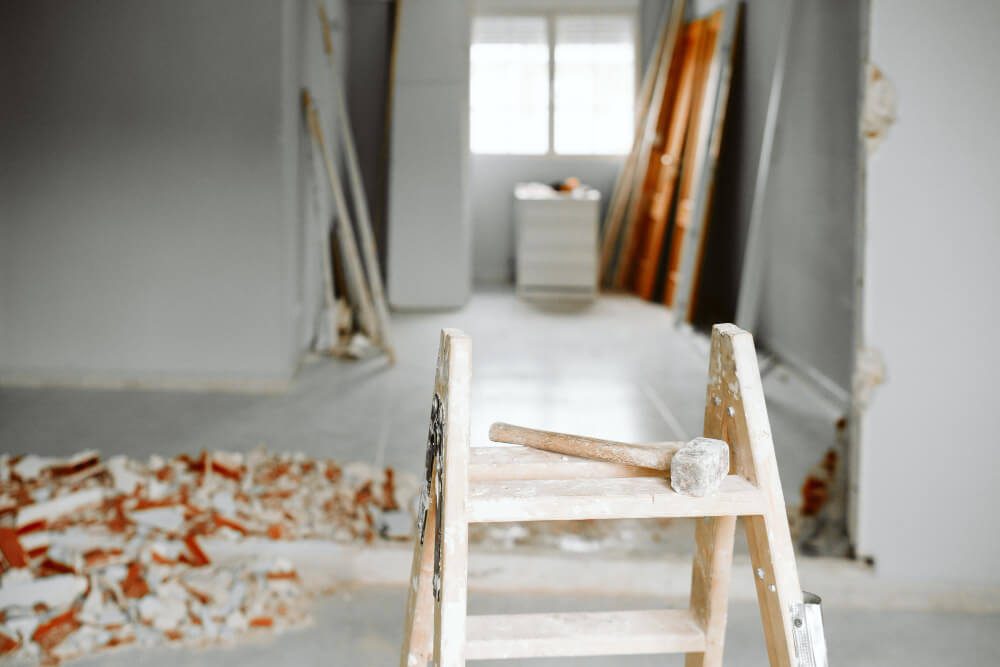
Foundation choice significantly affects cost:
1. Concrete Slab Foundation: $5-$10 per sq ft
Total cost for 400 sq ft: $2,000-$4,000
Pros:
- Least expensive
- Quick installation (3-5 days)
- Good for warm climates
Cons:
- Not suitable for cold climates (high risk)
- No storage underneath
- Plumbing is difficult to modify
Best for: Ground floor additions in warm climates, sunrooms
2. Crawl Space Foundation: $8-$15 per sq ft
Total cost for 400 sq ft: $3,200-$6,000
Pros:
- Access to plumbing/electrical
- Better for cold climates
- Slight elevation (flood protection)
Cons:
- More expensive than a slab
- Moisture management required
- Pest control needed
Best for: Ground floor additions in varied climates, areas with plumbing access needs
3. Full Basement Foundation: $25-$50 per sq ft
Total cost for 400 sq ft: $10,000-$20,000
Pros:
- Doubles usable space
- Storage/utility space
- Can finish later for additional living space
Cons:
- Most expensive option (2-5x slab cost)
- Longer construction time
- Excavation challenges
Best for: Cold climates, properties with existing basements (matching), two-story additions
4. Cantilever (No Foundation): $0-$2,000
Total cost: Structural support only
What it is: Addition hangs over the existing foundation using floor joists
Pros:
- No foundation cost
- Faster construction
- Can work over sloped lots
Cons:
- Limited to small additions (bump-outs, 2-4 feet)
- Not suitable for large additions
- Structural limits on size
Best for: Bump-outs, bathroom expansions, kitchen extensions
Room Addition Cost by Location
Geographic location creates 20-40% cost variance:
Highest Cost Markets (+25-40% above national average):
San Francisco Bay Area:
- Cost per sq ft: $120-$300
- 400 sq ft addition: $48,000-$120,000
- Factors: Labor costs ($80-$150/hr), permits ($5K-$15K), seismic requirements
New York City Metro:
- Cost per sq ft: $115-$280
- 400 sq ft addition: $46,000-$112,000
- Factors: Dense development, strict codes, union labor
Seattle Metro:
- Cost per sq ft: $110-$260
- 400 sq ft addition: $44,000-$104,000
- Factors: High labor costs, seismic codes
Boston Metro:
- Cost per sq ft: $105-$250
- 400 sq ft addition: $42,000-$100,000
- Factors: Historic districts, complex codes, cold climate requirements
Average Cost Markets (National Average):
Chicago Metro:
- Cost per sq ft: $90-$200
- 400 sq ft addition: $36,000-$80,000
Denver Metro:
- Cost per sq ft: $95-$210
- 400 sq ft addition: $38,000-$84,000
Phoenix Metro:
- Cost per sq ft: $85-$190
- 400 sq ft addition: $34,000-$76,000
Lower Cost Markets (-20-30% below national average):
Atlanta Metro:
- Cost per sq ft: $70-$160
- 400 sq ft addition: $28,000-$64,000
Houston Metro:
- Cost per sq ft: $65-$150
- 400 sq ft addition: $26,000-$60,000
Rural Areas:
- Cost per sq ft: $60-$140
- 400 sq ft addition: $24,000-$56,000
Why variance:
- Labor rates (biggest factor: $40-$150/hr)
- Material delivery costs
- Permit complexity and costs
- Building code strictness
- Climate requirements (insulation, seismic, snow load)
Get ZIP-code-specific room addition costs
Link to Cost Estimator
Hidden Costs of Room Additions
What Most Homeowners Forget to Budget:
1. Structural Engineering: $1,000-$5,000
- Required for: All additions
- Why: Ensures structural integrity, required for permits
- Don’t skip: No permit without the engineer’s stamp
2. Architect/Designer: $2,000-$10,000 (3-7% of project)
- Complex additions benefit from design expertise
- Can prevent costly mistakes
- Helps maximize space efficiency
3. Soil Testing: $500-$2,000
- Required if: Questionable soil conditions
- Why: Determines foundation type needed
- Prevents: Foundation failure ($10K-$50K to fix)
4. Permit Costs: $1,500-$8,000
- Building permit: $1,000-$5,000
- Electrical permit: $200-$800
- Plumbing permit: $150-$500
- HVAC permit: $150-$500
- Processing time: 6-12 weeks (affects timeline!)
5. Utility Line Extensions:
- Electric line extension: $500-$3,000
- Water line extension: $800-$3,000
- Sewer/septic extension: $1,500-$8,000
- Gas line extension: $500-$2,000
6. Matching Existing Materials: $2,000-$8,000
- Discontinued siding: May need to re-side the entire house
- Roof shingles: May need to re-roof to match
- Windows: Matching discontinued styles
- This can blow budgets
7. Temporary Living Arrangements:
- Second story additions: Can’t live there (roof removal)
- Hotel/rental: $2,000-$8,000/month
- Storage unit: $100-$300/month
- Timeline: 3-8 months
8. Landscaping Restoration: $2,000-$8,000
- Damage from construction equipment
- Removed trees/shrubs
- New grading/drainage
- Sod, paths, plantings
9. HVAC Capacity Upgrade: $3,000-$12,000
- The existing system may be undersized for additional space
- May need a second unit or a larger unit
- Often discovered mid-project
10. Electrical Panel Upgrade: $1,500-$3,000
- Older panels may lack the capacity for addition
- Required for large additions
- Code may require an upgrade to current standards
ALWAYS Budget 15-20% Contingency
For a $60,000 room addition:
- Budget $69,000-$72,000 total
Contingency covers:
- Unexpected site conditions
- Material cost increases
- Design changes
- Weather delays
- Hidden structural issues
Room Addition ROI by Type
National Average ROI: 50-75%
But ROI varies significantly by addition type and market:Addition Type Average ROI Cost Value Added Best Markets Bathroom addition 60-85% $30K-$50K $18K-$43K Any (high demand) Master suite 60-75% $70K-$130K $42K-$98K Suburban, growing families Second story 60-85% $100K-$250K $60K-$213K Urban, small lots Ground floor (bedroom) 50-65% $35K-$65K $18K-$42K Most markets In-law suite/ADU 70-100%+ $50K-$150K $35K-$150K+ High-cost markets, rentals Sunroom (4-season) 60-70% $45K-$90K $27K-$63K Mild climates, views Sunroom (3-season) 50-65% $21K-$45K $11K-$29K Warm climates Bump-out 50-65% $8K-$15K $4K-$10K Solves a specific problem
Factors That Affect ROI:
Higher ROI when:
- ✅ Adds bathroom (homes with 1 bath gain 10-20% value, adding 2nd)
- ✅ Brings home to market standard (3bed/2bath in 3bed/2bath market)
- ✅ Matches neighborhood quality (not over-improving)
- ✅ In markets with limited inventory/land
- ✅ Adds income potential (in-law suite rental)
Lower ROI when:
- ❌ Over-improving for the neighborhood
- ❌ Unusual/specific-use additions (home theater, etc.)
- ❌ Cheap finishes (looks like an addition, not original home)
- ❌ Sacrifices too much yard
- ❌ Poor design/layout
ROI by Market Type:
Urban/High-Density Markets: 65-85%
- Land scarcity makes additions valuable
- Second-story additions excel
- In-law suites in high demand
Suburban Markets: 55-75%
- Standard additions perform well
- Room to build out or up
- Master suites popular
Rural/Spacious Markets: 45-65%
- Lower ROI (land is cheap, easy to buy a bigger home)
- Still valuable for personal use
- Harder to recoup costs
Room Addition Timeline by Type
Bump-Out Addition: 2-4 Weeks
Week 1: Permitting, ordering materials
Week 2: Demo, foundation, framing
Week 3: Exterior finishing, rough-ins
Week 4: Interior finishing, final inspection
Factors: Small size means faster, weather-dependent
Sunroom Addition: 3-8 Weeks
Week 1-2: Permitting, foundation
Week 3-4: Framing, windows
Week 5-6: Roof, electrical, HVAC
Week 7-8: Interior finishing
Factors: Window delivery can cause delays (4-8 weeks)
Ground Floor Addition: 3-6 Months
Month 1: Design, permitting (6-12 weeks!)
Month 2: Foundation, framing
Month 3: Exterior completion, rough-ins
Month 4: Systems (HVAC, plumbing, electrical)
Month 5: Interior finishing
Month 6: Final touches, inspections
Factors: Permits take the longest, weather affects foundation work
Second Story Addition: 4-8 Months
Month 1-2: Design, engineering, permits (8-12 weeks)
Month 3: Foundation reinforcement, staging
Month 4: Floor framing, temporary roof removal
Month 5: Wall framing, exterior
Month 6: Roof completion, systems
Month 7: Interior finishing
Month 8: Final touches, inspections
Factors: Structural complexity, can’t live in home during, weather-dependent
In-Law Suite Addition: 4-8 Months
Month 1-2: Design, zoning approval, permits
Month 3: Foundation, framing
Month 4: Exterior completion
Month 5: Systems (complete kitchen/bath)
Month 6-7: Interior finishing
Month 8: Final inspections, occupancy permit
Factors: Complex permitting (ADU regulations), complete systems required
Timeline Extensions (Add 10-50% Time):
- Custom orders: Windows, doors (+4-8 weeks)
- Weather delays: Rain, snow, extreme heat
- Permit delays: Varies widely by municipality (2-12 weeks)
- Hidden issues: Structural problems discovered
- Inspection failures: Re-work required
- Material shortages: Post-pandemic supply chain
Pro tip: Add 30% buffer to the contractor’s timeline estimate
Permits & Approvals for Room Additions

All room additions must comply with the International Residential Code (IRC), which establishes minimum standards for structural integrity, foundation depth, insulation R-values, and egress requirements.
What Permits Are Required:
Every room addition requires:
1. Building Permit ($1,000-$5,000)
- Structural review
- Comprehensive inspections (foundation, framing, final)
- Longest processing time (4-12 weeks)
2. Structural Engineer’s Report ($1,000-$5,000)
- Required for permit application
- Load calculations
- Foundation specs
- Cannot get a permit without this
3. Electrical Permit ($200-$800)
- All new wiring
- May require panel upgrade
4. Plumbing Permit ($150-$500)
- If adding a bathroom or a kitchen
- Water supply and drainage
5. HVAC Permit ($150-$500)
- Extending or adding HVAC
Additional Approvals May Be Required:
Zoning Variance ($500-$3,000)
- If addition violates setback requirements
- If the lot coverage exceeds limits
- Timeline: +2-6 months (board meetings required)
HOA Approval ($0-$500)
- Required in planned communities
- May restrict height, style, materials
- Timeline: 2-8 weeks
Historic District Approval ($500-$3,000)
- Required in historic districts
- May limit design options significantly
- Timeline: 2-6 months
Environmental Review ($1,000-$5,000+)
- Required near wetlands, protected areas
- May prohibit additions entirely
- Timeline: 3-12 months
Septic Approval ($500-$2,000)
- If on a septic system (not city sewer)
- May require septic upgrade ($10K-$25K)
Permit Timeline:
Fast track (2-4 weeks):
- Small bump-outs
- Simple additions
- Cities with expedited review
Standard (6-12 weeks):
- Most ground-floor additions
- Standard processing
Slow (12-24 weeks):
- Second-story additions (complex)
- In-law suites (zoning approval)
- Historic districts
- Areas with backlogged permit offices
Critical: Start permit process BEFORE selecting contractor to avoid delays
Inspection Schedule:
Typical inspections for additions:
- Foundation inspection (before concrete pour)
- Framing inspection (before drywall)
- Rough electrical inspection
- Rough plumbing inspection
- Insulation inspection
- Final inspection (before occupancy)
Each failed inspection: +1-2 weeks for re-work and re-inspection
How Room Additions Affect Property Value & PICO Score
Property Value Impact:
Room additions can increase home value 5-20%, depending on the type:
Example: $400,000 HomeAddition Cost Value Increase New Value Net Gain/Loss Master suite (500 sq ft) $75,000 10-15% $440,000-$460,000 +$40K-$60K Second story (800 sq ft) $140,000 12-18% $448,000-$472,000 +$48K-$72K In-law suite (700 sq ft) $100,000 15-20% $460,000-$480,000 +$60K-$80K Sunroom 4-season (300 sq ft) $60,000 6-10% $424,000-$440,000 +$24K-$40K Ground floor (400 sq ft) $55,000 8-12% $432,000-$448,000 +$32K-$48K
PICO Score Impact:
Room additions significantly improve your PICO (Property Intelligence for Condition Optimization) score:Addition Type PICO Impact Why It Matters Any addition (new construction) +15-30 points Brand new systems, modern standards Adds bathroom +20-35 points Major functionality improvement Master suite +25-40 points Brings home to market standard Second story +30-50 points Major square footage increase In-law suite +25-45 points Income potential, flexibility
Why PICO Matters for Additions:
Higher PICO score means:
- ✅ Easier buyer financing (lower down payment requirements)
- ✅ Better appraisal values
- ✅ Lower insurance rates
- ✅ Faster sale (buyers prefer move-in ready)
- ✅ Better mortgage rates for buyers
Example:
- Home: $400,000 asking price
- Before addition: PICO score 55/100 (limited bedrooms)
- After master suite addition: PICO score 80/100
- Result: Easier buyer financing, sells faster, appraises higher
Check Your Home’s PICO Score
See how a room addition would affect your property value
Finding the Right Contractor for Room Additions
Room additions require specialized expertise – this is NOT a job for general handymen.
What to Look For:
✅ Extensive addition experience (not just remodeling)
✅ Structural engineering relationships (required for all additions)
✅ Licensed & insured (verify independently)
✅ Portfolio of similar additions (size, type, complexity)
✅ References (3-5 from past year)
✅ Detailed written contract (itemized costs)
✅ Permit handling (should manage entire process)
✅ Warranty (minimum 2 years on structure)
Questions to Ask Addition Contractors:
Experience:
- “How many room additions have you completed in the past 2 years?”
- “Can I see photos of [specific type] additions you’ve done?”
- “Have you worked with [second story/in-law suite/etc.]?”
Structural & Permitting: 4. “Do you work with a structural engineer? Can I speak with them?” 5. “Who handles permits and inspections?” 6. “What’s your permit approval rate?”
Timeline & Process: 7. “What’s a realistic timeline for my addition, including permits?” 8. “How do you handle weather delays?” 9. “Will I need to move out during construction?” (important!)
Costs: 10. “What’s your payment schedule?” (Never >30% upfront) 11. “How do you handle change orders?” 12. “What warranty do you provide on structural work?”
Systems: 13. “Who handles HVAC/electrical/plumbing?” (Subs must be licensed) 14. “Do you handle matching existing materials?”
Red Flags with Addition Contractors:
🚩 Can’t show similar additions in portfolio
🚩 Doesn’t mention structural engineering (required!)
🚩 Offers to skip permits (“save money”)
🚩 Timeline 50%+ faster than others
🚩 Requires 50%+ payment upfront
🚩 Vague about foundation type/costs
🚩 Won’t provide a detailed materials list
🚩 No insurance for structural work
🚩 Can start immediately (good contractors booked 2-6 months out)
Cost vs. Quality:
Don’t automatically choose the lowest bid:
Suspiciously low bids may indicate:
- Unlicensed contractors
- Cutting corners (weak foundation, improper framing)
- Missing costs (will add later as “surprises”)
- Won’t last (structural failures in 5-10 years)
For a $60K addition, if bids are:
- $58K-$65K: Normal range
- $45K: RED FLAG – too low, something’s wrong
- $85K: Verify scope matches others (may include extras)
Find Pre-Vetted Room Addition Contractors
Licensed professionals experienced with structural additions
Room Addition Mistakes to Avoid
Top 15 Costly Mistakes:
1. Inadequate Foundation
- Mistake: Skimping on foundation to save money
- Cost to fix: $10,000-$50,000 (complete rebuild)
- Prevention: Follow the engineer’s specifications exactly
2. Skipping Structural Engineering
- Mistake: Using the contractor’s “experience” instead of the engineer’s
- Cost to fix: $15,000-$100,000 (structural failure)
- Prevention: Always hire a licensed structural engineer
3. No Permits
- Mistake: Building without permits to “save money and time.”
- Cost to fix: $20,000-$80,000 (tear down + rebuild to code + fines)
- Prevention: Always get permits, even if time-consuming
4. Wrong Foundation Type
- Mistake: Slab in a cold climate (frost heaving) or crawl space in a wet area
- Cost to fix: $15,000-$40,000 (foundation replacement)
- Prevention: Follow the engineer’s soil recommendations
5. Undersized HVAC
- Mistake: Extending the existing system beyond capacity
- Cost to fix: $6,000-$15,000 (new system)
- Prevention: HVAC professional load calculation before starting
6. Poor Design Integration
- Mistake: Addition looks like “tacked on” addition
- Cost to fix: $10,000-$30,000 (matching materials, better integration)
- Prevention: Hire an architect for complex additions
7. Ignoring Setback Requirements
- Mistake: Building too close to the property line
- Cost to fix: $30,000-$100,000 (tear down or variance)
- Prevention: Survey the property, verify zoning before starting
8. Insufficient Electrical Capacity
- Mistake: Adding space without upgrading the panel
- Cost to fix: $2,000-$5,000 (panel upgrade mid-project)
- Prevention: An electrician assessment before design is finalized
9. Drainage Problems
- Mistake: Not planning for water runoff from the new roof
- Cost to fix: $3,000-$15,000 (foundation damage, landscape erosion)
- Prevention: Include a drainage plan in the design
10. Sacrificing Too Much Yard
- Mistake: Large addition leaves no yard space
- Cost to fix: Can’t fix – permanent loss of value
- Prevention: Consider the second story if yard space is limited
11. Mismatched Materials
- Mistake: Using close-but-not-quite matching siding/roofing
- Cost to fix: $8,000-$25,000 (re-side or re-roof entire house)
- Prevention: Get exact material specs before ordering
12. Weak Floor Joists (Second Story)
- Mistake: Not reinforcing the existing structure adequately
- Cost to fix: $15,000-$50,000 (reinforce after walls are up)
- Prevention: Follow the engineer’s reinforcement plans exactly
13. No Contingency Budget
- Mistake: Spending the entire budget, no room for surprises
- Cost to fix: Project stalls, quality compromises, debt
- Prevention: Always budget 15-20% extra
14. Over-Improving for Neighborhood
- Mistake: $150K addition in $250K neighborhood
- Cost to fix: Loss at resale (won’t recoup)
- Prevention: Keep improvements proportional to home value (5-15% max)
15. Forgetting Resale Impact
- Mistake: Ultra-custom addition that only suits your needs
- Cost to fix: Reduced ROI, limited buyer pool
- Prevention: Balance personal wants with broad appeal
Room Addition Financing Options
How to Finance $30,000-$150,000 Projects:
1. Home Equity Line of Credit (HELOC) ⭐⭐⭐⭐⭐
- Best for: $30K-$150K additions
- Current rates: 7-9% variable
- Pros: Only pay interest on what you use, flexible draw period, tax-deductible interest
- Cons: Variable rate risk, home is collateral
- Requirements: 15-20% equity, 680+ credit score
2. Home Equity Loan ⭐⭐⭐⭐⭐
- Best for: $40K-$150K additions with fixed budget
- Current rates: 7.5-10% fixed
- Pros: Fixed rate, predictable payments, tax-deductible interest
- Cons: Lump sum (even if you don’t need all immediately)
- Requirements: 15-20% equity, 680+ credit score
3. Cash-Out Refinance ⭐⭐⭐⭐
- Best for: $50K+ additions + want to lower mortgage rate
- Current rates: 6.5-8%
- Pros: Potentially lower overall rate, one payment
- Cons: Closing costs ($4K-$8K), resets mortgage term
- Requirements: 20% equity remaining, 700+ credit score
4. Construction Loan ⭐⭐⭐⭐
- Best for: Large additions ($75K+)
- How it works: Draws are released as work is completed
- Current rates: 8-11%
- Pros: Only pay interest during construction, converts to a mortgage
- Cons: Higher rates, complex approval process
- Requirements: Detailed plans, licensed contractor, 20% equity
5. Personal Loan ⭐⭐⭐
- Best for: $20K-$60K, no home equity
- Current rates: 8-18% (depends on credit)
- Pros: No home collateral, fast approval (1-3 days)
- Cons: Higher interest, not tax-deductible, shorter terms (3-7 years)
- Requirements: 660+ credits, stable income
6. 203(k) Rehab Loan (Purchase + Addition) ⭐⭐⭐⭐
- Best for: Buying a home + adding on immediately
- How it works: An FHA loan includes the purchase price + renovation costs
- Pros: One loan, lower down payment (3.5%), roll costs into mortgage
- Cons: Must be primary residence, property limits, more paperwork
- Best use: Buy a smaller home in a good neighborhood, add space
Financing Comparison for $80,000 Room Addition:
| Option | Rate | Monthly Payment (15 yr) | Total Cost | Timeline |
|---|---|---|---|---|
| Cash | 0% | N/A | $80,000 | Immediate |
| HELOC | 8% | $764 | $137,520 | 1-2 weeks |
| Home Equity Loan | 8.5% | $787 | $141,660 | 2-4 weeks |
| Cash-Out Refi (30yr) | 7% | $532 | $191,520 | 4-8 weeks |
| Construction Loan→Mortgage | 7.5% | $742 | $133,560 | 6-12 weeks |
| Personal Loan (7yr) | 12% | $1,347 | $113,148 | 1-3 days |
Best value: HELOC or Home Equity Loan for most room additions (lowest total cost + tax benefits)
Explore Financing Options
Pre-qualify without affecting your credit score
Room Addition Planning Checklist
6-12 Months Before:
- Determine space needs (what rooms, how much square footage)
- Set a realistic budget (5-15% of home value maximum)
- Research addition types (bump-out vs. ground floor vs. second story)
- Check zoning requirements (setbacks, lot coverage, height limits)
- Verify HOA restrictions (if applicable)
- Start collecting inspiration (photos, floor plans)
- Consult a structural engineer (early assessment)
- Get rough cost estimates (Cost Estimator tool)
3-6 Months Before:
- Finalize design intent (purpose, layout, size)
- Interview contractors (3-5 minimum)
- Request detailed bids (ensure same scope)
- Verify contractor licenses & insurance
- Check contractor references (3-5 past clients)
- Hire a structural engineer (detailed plans)
- Consider an architect (complex additions benefit from design expertise)
- Secure financing (if needed)
- Review bids (beware too-low bids)
- Select contractor
2-3 Months Before:
- Sign a detailed contract (itemized costs, payment schedule)
- Finalize structural plans (engineer’s stamp)
- Submit permit applications (6-12 week process!)
- Select all materials (windows, doors, siding, roofing)
- Plan for living disruption (especially second-story additions)
- Notify neighbors (courtesy, reduces complaints)
- Set up temporary arrangements (if moving out)
1 Month Before:
- Confirm permits approved (don’t start without!)
- Verify the start date with the contractor
- Clear work area (yard access, staging area)
- Protect landscaping (mark plants to save)
- Set up construction barriers (if staying in home)
- Arrange parking (equipment, worker vehicles)
- Secure pets (safety during construction)
During Construction:
- Weekly progress meetings (stay informed)
- Document with photos (helpful if issues arise)
- Address concerns immediately (don’t wait)
- Verify materials upon delivery (match specs)
- Attend inspections (understand any issues)
- Track expenses vs. budget
- Make payments per schedule (never ahead)
After Completion:
- Final walkthrough with contractor (create punch list)
- Verify all systems function (HVAC, electrical, plumbing)
- Obtain final permit sign-off (critical!)
- Collect all warranties (structure, systems, materials)
- Take final photos (for records, insurance)
- Pay final payment (only after punch list is complete)
- Update home insurance (new square footage)
- Update property tax assessment (expect an increase)
- Leave contractor review
Frequently Asked Questions
How much does a room addition cost?
Room addition costs range from $3,200-$15,000 for bump-outs, $14,000-$140,000 for sunrooms, $18,000-$108,000 for ground floor additions, $40,000-$250,000 for second story additions, and $50,000-$240,000 for in-law suites. Costs depend on size, complexity, foundation type, and location.
What is the cheapest room addition?
Bump-out additions are cheapest at $3,200-$15,000 (40-100 sq ft), followed by cantilevered additions over existing foundations. Screen porches ($7,500-$22,500) and three-season sunrooms ($21,000-$45,000) are also more affordable than full additions.
Is it cheaper to build up or out?
Building out (ground floor) costs $90-$180/sq ft, while building up (second story) costs $100-$250/sq ft. Ground floor is usually cheaper initially, but the second story offers better ROI (60-85% vs 50-75%) and preserves yard space, making it a better value in high-density areas.
Do I need a permit for a room addition?
Yes, all room additions require building permits, structural engineering approval, and typically electrical/plumbing/HVAC permits. Permit costs range from $1,500-$8,000 and take 6-12 weeks to approve. Never skip permits – unpermitted work can cost $20,000-$80,000 to fix and prevents home sales.
What is the ROI on a room addition?
Average ROI is 50-75% for most additions. Bathroom additions offer the highest ROI at 60-85%, followed by master suites (60-75%), second-story additions (60-85% in urban areas), and in-law suites (70-100%+, especially with rental income). ROI varies significantly by market and whether the addition solves a critical space problem.
According to Remodeling Magazine’s Cost vs. Value Report, master suite additions nationally return 60-75% at resale, with higher returns in competitive urban markets where additional bedrooms and bathrooms command premium pricing.
How long does a room addition take?
Bump-outs take 2-4 weeks, sunrooms 3-8 weeks, ground floor additions 3-6 months, second story additions 4-8 months, and in-law suites 4-8 months. Timeline includes permit approval (6-12 weeks), construction, and inspections. Weather, material availability, and permitting delays can extend timelines 20-50%.
Can I live in my house during a room addition?
Yes for most additions (ground floor, sunrooms, bump-outs) with minimal disruption. No for second-story additions, which require temporary roof removal and structural modifications – expect to move out 3-6 months. Living in a home during addition saves $2,000-$8,000/month in temporary housing costs.
Do room additions increase property taxes?
Yes, room additions increase property taxes proportionally to the added value. For example, a $75,000 addition adding $50,000 in value in a 1% tax rate area increases annual taxes by $500. The assessment update typically occurs 6-18 months after completion.
What is an in-law suite, and how much does it cost?
An in-law suite (ADU/accessory dwelling unit) is a self-contained living space with a bedroom, bathroom, and kitchenette, costing $50,000-$240,000 (500-1,200 sq ft). It offers 70-100%+ ROI due to rental income potential ($1,000-$2,000/month) and appeals to multi-generational buyers. Check local ADU zoning laws before building.
Should I add on or move?
Add on if: your neighborhood is appreciating, you love your location, moving costs exceed addition costs, and you’re staying 5+ years. Move if: addition costs exceed 15% of home value (over-improving), you need major layout changes beyond the addition scope, or you’re in a declining neighborhood. Compare total costs, including moving expenses, closing costs, and capital gains taxes.

Written by Billy Guteng. January 7, 2026
Billy is a content writer for Kukun. He was born in France, and has lived in multiple cities around the world ever since. He loves art, design and architecture as well as construction and real estate.
Top blog posts










See more >
Recommended

Join our newsletter
Get helpful renovation tips, insightful home maintenance articles, real estate market trends, and more.
Please enter a name
Please enter a valid e-mail