How to Transform a Forgotten Corner into a Professional Production Space
Updated Thu, Mar 5, 2026 - 4 min read
Top blog articles
By 2026, the distinction between “working from home” and “broadcasting from home” will have blurred. Whether you are an executive recording a keynote, a podcaster, or a digital creator, the quality of your output is now tied to the quality of your environment. We have moved past the era of the “Zoom background” and into the era of the permanent studio.
At Kukun, our Construction Near Me tool is picking up a fascinating trend: a massive surge in permits for small-scale ADUs (Accessory Dwelling Units) and “detached flex spaces.” Your neighbors aren’t just building sheds; they are building acoustic vaults. Here is how to audit your space and invest in Home Office 2.0.
The Foundation: Soundproofing Home Office for Creators
In 2026, “quiet” is a luxury commodity. To achieve professional audio, you need to solve for two things: Sound Blocking (keeping noise out) and Sound Treatment (controlling noise inside).
- The Micro-Renovation: Replacing standard hollow-core doors with solid-core doors and adding acoustic seals.
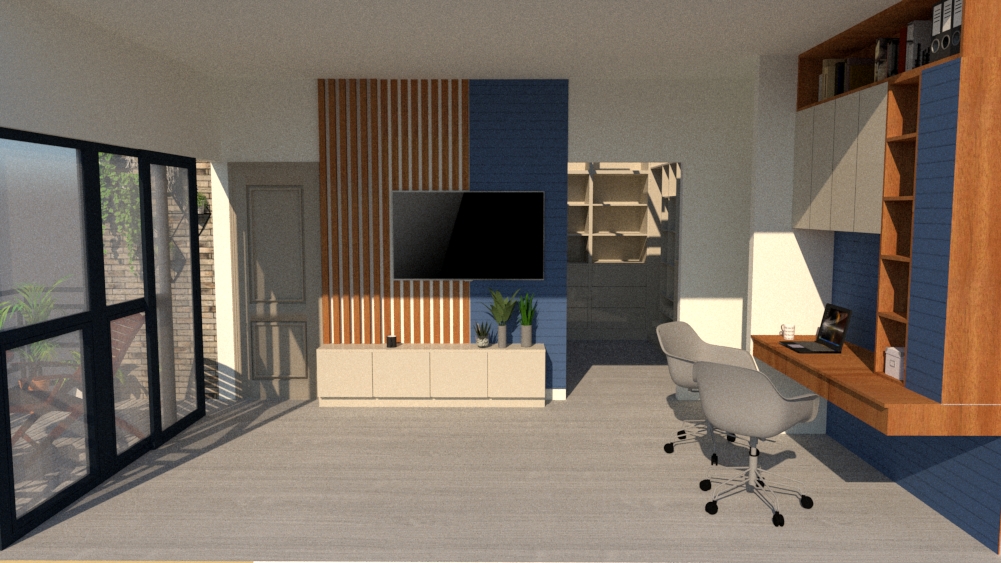
- The “Studio” Upgrade: Installing specialized acoustic panels or “slatted” wood walls that double as a Heritage Modern design feature.
- Soundproofing Costs: A basic treatment for a 10×10 room ranges from $800 to $2,500. A full “room-within-a-room” soundproofing overhaul can cost $5,000 – $12,000.
Lighting the Set: Professional Lighting for Home Studios
Forget the ring light. The 2026 studio uses integrated 3-point lighting to create depth and eliminate the flat, “virtual” look of early-decade video calls.
- Circadian Integration: Using smart LED panels that can transition from cool daylight (for alertness) to warm “golden hour” tones (for evening livestreams).
- Smart Placement: Installing permanent ceiling mounts or wall-recessed LED strips to keep the floor clear of tripod clutter.
- Lighting Costs: A professional 3-point LED setup with smart controls averages $1,200 – $3,000.
Building “Out”: The Cost of Garden Office Pods in 2026
When the “forgotten corner” of the living room just isn’t enough, creators are moving to the backyard. Detached Garden Office Pods offer the ultimate in acoustic and psychological separation.
- The Design: Modern pods in 2026 are often prefabricated, “plug-and-play” units featuring floor-to-ceiling glass (for biophilic benefits) and high-speed fiber connectivity.
- Garden Office Pod Costs:
- Standard Prefab (Uninsulated): $10,000 – $18,000.
- Premium Creator Pod (Soundproofed & Conditioned): $25,000 – $55,000.
- The ROI: A detached office pod is a high-value ADU that can add $30,000 – $60,000 to your home’s resale value, especially for buyers who work in creative industries.
The PICO™ Impact: The Professionalism Premium
At Kukun, we track the PICO™ Property Condition Score to see how “Future-Proofed” a home is.
In 2026, a house with a dedicated, acoustically treated studio isn’t just a home with an extra room; it’s a Professional-Grade Asset. According to a 2026 market analysis by the Creative Economy Council, homes with “Studio-Ready” infrastructure sell 12% faster in tech and media hubs.Feature Cost (Avg) ROI (Resale) PICO™ Boost Solid-Core Sound Door $500 – $900 Moderate Privacy Acoustic Wall Slats $1,200 – $2,500 High (Design) Acoustic Studio Lighting Kit $1,500 – $3,000 Low Tech Garden Office Pod $35,000+ High (SQFT) Functional
FAQs: Designing Home Office 2.0
Q: Does soundproofing help my home’s value if the buyer isn’t a creator?
A: Yes. Everyone wants a quiet bedroom or a peaceful office. Soundproofing is a “stealth” upgrade that significantly improves the quality of life score of the property.
Q: Do garden pods require a building permit in 2026?
A: Yes, in most cases. If the pod has electricity or exceeds 120 square feet, you will likely need a permit. Kukun’s Construction Near Me tool can help you see which of your neighbors have already successfully permitted “Studio” structures.
Q: What is the biggest mistake in home studio design?
A: Ignoring the “invisible guts.” In 2026, you need dedicated high-speed Ethernet (Cat 6 or 7) and a smart electrical panel that can handle the power draw of studio lights and high-performance computers without tripping the breaker.
Q: Can I finance a garden pod?
A: Yes. Most 2026 homeowners use a HELOC or a specialized ADU loan. Since the pod adds livable square footage, it is considered a high-value equity addition.
The Verdict: Invest in Your Voice
In 2026, your home is more than a shelter; it is your platform. By transforming a corner of your home into a professional creator studio, you are investing in your career today and your home’s equity tomorrow. In the 2026 market, infrastructure is the new luxury.

Written by Alejandro Guerrero. March 5, 2026
With a mixed love between the sciences and the arts and a passion for reading, Alejandro has developed a background that allows him to discuss many subjects. Being home design one of them, he likes to share thoughts and tips on how to not to forget that those buildings we live in are our homes at the end.
Top blog posts










See more >
Recommended

Join our newsletter
Get helpful renovation tips, insightful home maintenance articles, real estate market trends, and more.
Please enter a name
Please enter a valid e-mail