5 Upgrades That Make Your Home “Preferred Risk” for 2026 Insurers
Updated Thu, Mar 12, 2026 - 4 min read
Top blog articles
We’ve officially entered the era of the Insurance Gap. In 2026, insurance companies aren’t just raising rates; they are using satellite imagery and AI-driven risk modeling to identify “vulnerable” properties and drop them entirely. If your roof is older than 15 years or you lack modern mitigation systems, you are a target for non-renewal.
To survive this shift, you must treat your home like a “Resilient Asset.” At Kukun, we’ve developed the Resilience Score specifically to help homeowners bridge this gap. By completing and documenting permit-backed upgrades, you can transform your property from a “High Risk” liability into a “Preferred Risk” asset.
1. The Fire-Safe Envelope: Class A Roofing
In 2026, wildfire risk isn’t just a West Coast problem; it’s a national insurance criterion. The “bot” is looking for Class A fire-rated materials.
- The Upgrade: Moving from wood shakes or standard shingles to metal, slate, or clay tile.
- The Cost: Expect $15,000 – $30,000 for high-performance materials.
- The Benefit: A Class A roof is often the binary “Yes/No” for coverage in WUI (Wildland-Urban Interface) zones.
- Resilience ROI: Beyond keeping your policy, these materials often carry a PICO™ Score bonus for “Functional Longevity.”
2. Sewer Backup Prevention: The “Backwater Valve”
Water damage from sewer backups is one of the most expensive (and most avoidable) claims in 2026.
- The Tech: Installing a Backwater Valve in your main sewer line that automatically closes if the city’s system overflows.
- The Cost: $1,500 – $3,500, depending on excavation requirements.
- The Insurance Impact: Many 2026 policies now exclude sewer backup unless a valve is installed. Having one can reduce your “Water Risk” surcharge by 10% to 15%.
3. Wind-Hardened Openings: Impact-Rated Windows
In hurricane and high-wind corridors, the “envelope breach” is what causes total loss. Once a window breaks, the internal pressure can pop the roof off.
- The Upgrade: Installing ASTM E1996 impact-rated windows or permanent accordion shutters.
- The ROI: Aside from lower premiums, these upgrades are a top driver for resale velocity in coastal markets.
- Verification: Use iHomeManager to store the specific impact-rating certificates, as the insurer’s AI cannot always verify the glass type from a satellite photo.
4. Smart Leak Mitigation (The “Active” Shield)
In 2026, “Passive” monitoring isn’t enough. Insurers want “Active” shut-off capabilities.
- The Tech: A smart main-line shut-off valve (like Phyn or Moen Flo) that detects micro-leaks and shuts the water off before a pipe bursts.
- The 2026 Standard: This has moved from a “luxury” to a “Resilience Standard.”
- The Benefit: Many carriers now offer $100 – $250 annual premium credits for verified active shut-off systems.
5. Vegetation Management (Zone 0 Defensible Space)
The insurer’s satellite is looking at your “Fuel Load.” If trees are touching your roof, your policy is in jeopardy.
- The Upgrade: Clearing a 5-foot “Non-Combustible Zone” around the house (replacing mulch with stone) and trimming all branches 10 feet away from the roofline.
- The Cost: $500 – $2,000 for professional arborists.
- Kukun Angle: This is the most cost-effective way to immediately boost your Resilience Score and avoid a “Condition-Based” non-renewal.
The Resilience ROI Matrix (2026)
| Upgrade | Average Cost | Insurance Impact | Resilience Score Boost |
| Class A Roof | $22,000 | Keeps Policy Active | 25 Points |
| Backwater Valve | $2,500 | Lowers Premium 10% | 15 Points |
| Impact Windows | $12,000 | Essential for Coastal | 20 Points |
| Smart Shut-Off | $900 | $150/yr Credit | 10 Points |
| Zone 0 Defensible | $1,200 | Avoids Cancellation | 30 Points |
Why “Hardened” Homes Win in 2026
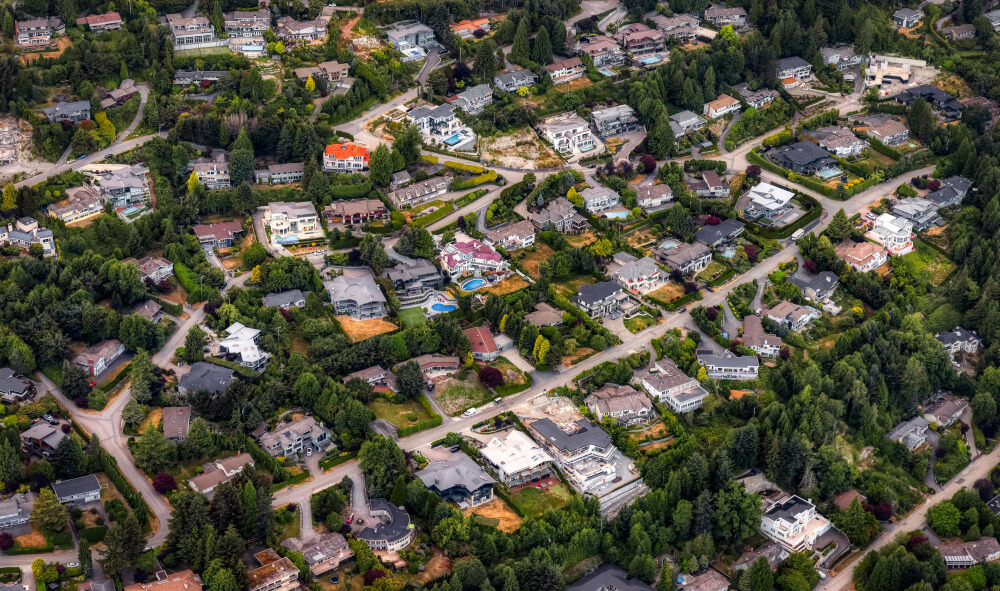
In the current market, a home that is “Un-Insurable” is effectively “Un-Sellable.” A buyer cannot get a mortgage without a binder. By following this resilience checklist, you aren’t just protecting your family; you are protecting the liquidity of your asset.
According to a high-authority report from the Insurance Information Institute (III), the cost of climate-related disasters has tripled in the last decade. In 2026, “Resilience” is the new “Curb Appeal.”
FAQs: Surviving the 2026 Insurance Crisis
Q: Can I use my Kukun to negotiate my premium?
A: Yes. In 2026, many independent agents are accepting Kukun’s iHomeManager health reports as “Verified Condition Proof” to challenge an AI-generated premium hike.
Q: Is it better to get a new roof or impact windows first?
A: Always check your Resilience Score first. In the South, it’s windows; in the West, it’s the roof. Kukun’s algorithm will prioritize the upgrade that offers the highest risk reduction for your specific zip code.
Q: Does my state offer grants for these upgrades?
A: Many states (like Florida, California, and Louisiana) have introduced Resilience Grants in 2025-2026. These can often cover 50% to 75% of the cost for wind or fire hardening.
The Verdict: Be Proactive or Be Dropped
The 2026 insurance market rewards the proactive and punishes the reactive. By viewing your home as a “Resilient Asset” and checking off these items, you are securing your place in the “Preferred Risk” pool. Don’t wait for a non-renewal notice to realize that resilience is the best investment you can make.

Written by Alejandro Guerrero. March 12, 2026
With a mixed love between the sciences and the arts and a passion for reading, Alejandro has developed a background that allows him to discuss many subjects. Being home design one of them, he likes to share thoughts and tips on how to not to forget that those buildings we live in are our homes at the end.
Top blog posts








See more >
Recommended

Join our newsletter
Get helpful renovation tips, insightful home maintenance articles, real estate market trends, and more.
Please enter a name
Please enter a valid e-mail