Top blog articles
Sponsored Rates for October 2026
Compare Rates for Mortgage, Personal Loans and Home Equity


After testing drinking water since 1995, ETR Laboratories says some of its most useful lessons have come from cases where the number on the report did not tell the entire story.
A lab result tells you what was in the sample, and it makes more sense once you know what was happening at the property when that sample was taken.
Over the years, the lab has processed hundreds of thousands of samples and completed more than 1,000 field well inspections. Four patterns from that work stand out, and each one can help you read the results of private well water testing if you rely on a well or are buying or selling a home with one:
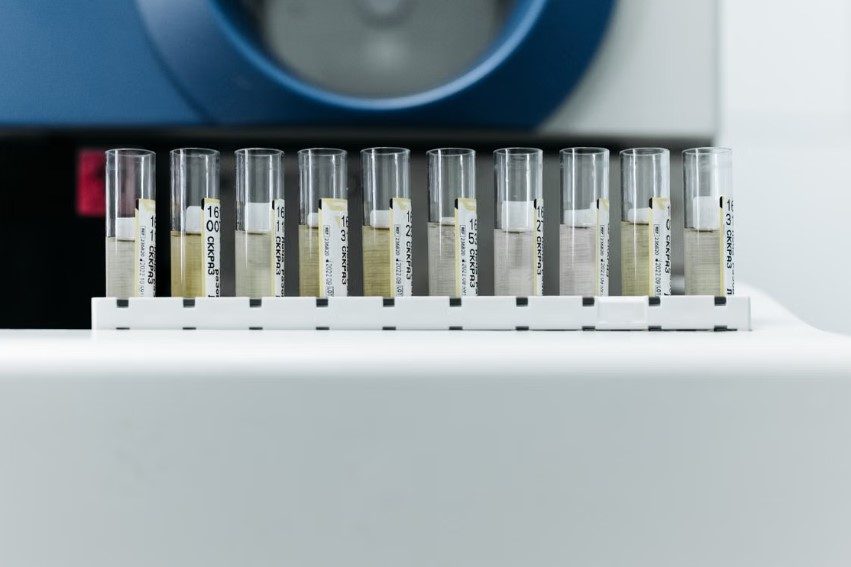
1. One Water Result Does Not Always Tell the Whole Story
One normal-looking result does not always explain what is going on in a well.
This became especially clear to the lab in cases where homeowners reported an odor even though their standard bacteria counts looked fairly low. When the team looked more broadly at some of those samples, it also found fungi alongside the bacteria results.
The lesson from those cases is that one reassuring result should not end the investigation while you are still noticing something unusual. If your water smells different but your report looks fine, mention the odor to the lab anyway.
2. A Result Below a Regulatory Limit Can Still Add Useful Context
The federal drinking water standard for nitrate is 10 milligrams per liter, but a result below that level can still be useful when you are trying to understand what is happening in a private well.
Nitrate gets a closer look from the lab when it appears alongside elevated bacteria, because that combination may be a reason to look more closely at possible surface influence.
A low nitrate result is not a cause for alarm, and it proves nothing about the well on its own. The number becomes more useful when you read it alongside:
- Bacteria results from the same sample.
- The condition of the well.
- What surrounds the property, such as nearby fields or septic systems.
3. Vacant Homes Can Change the Context of a Water Test
A long vacancy can change how a water test should be read, and the lab sees this regularly during home sales. A test from a house that has sat empty comes back with elevated microbial activity, and the immediate assumption is that the well itself has a serious problem.
When water sits unused in a well and plumbing for a long time, the conditions are different from those in an occupied home with regular water use. Vacancy does not explain every high reading, and an elevated result should never be dismissed. Knowing that the house has been empty does, however, change what the lab asks next.
Before deciding the well is the problem, the team looks at:
- How long the property sat vacant.
- How much the water was used during that time.
- Other results that suggest surface influence.
- The condition of the well.
- What happens once normal water use resumes or the property is tested again.
If you are buying or selling, a surprising result from a vacant home is a reason to look closer before assuming the worst. Let the lab know if the house has been empty for months so it can factor that into the results.
4. Recurring Problems Can Point Beyond a One-Time Issue
When the same microbial issue keeps returning after treatment, the lab starts looking beyond the most recent sample. It has seen this in some wells near large bodies of water, where microbial problems improved for a while and then returned.
Living near a lake or wetland does not automatically create a water problem, though recurrence gives the lab another clue. A one-time contamination event and a recurring outside influence call for different responses, so the investigation may widen to include:
- The depth and construction of the well.
- The local geology.
- Nearby surface water.
- Past results showing the same pattern over time.
Old reports help here. A single result shows one moment, while several can show if a problem is changing or repeating.
The Most Useful Question May Be “What Else Is Happening Here?”
What ties these examples together is the habit of asking what else was happening around the well. The team may compare several parameters in the same sample, review older results from the property, ask about the condition of the well, or talk with the homeowner about recent changes in the water.
Those conversations have shaped what the lab looks for over time, and many of the patterns it recognizes today came from comparing test results with what clients were seeing at their properties. Private well water testing tends to be more useful when the person reading the report knows something about the well behind the sample.
Why the Lab Still Talks Through Results With Clients
For the team, the report is where the conversation starts. A lab can tell you what was in the bottle. Explaining why a number showed up, or which result deserves a closer look, can take details only you know.
When did the water change? Has the property been vacant? Was the well treated before? Did the problem disappear and then return? Those details can help turn a list of numbers into a clearer picture of what may be happening.
After decades of private well testing, ETR Laboratories keeps coming back to one lesson: a number means more when you know the story around it.
Getting More From Your Next Well Water Test
If your well is due for testing, or your results do not seem to match what you are seeing at home, ETR Laboratories pairs private well water testing with a water quality consultation. Bring your property’s history and any older reports to that call.
Read more: Everything you need to know about an above ground well pump

Written by Billy Guteng. October 14, 2026
Billy is a content writer for Kukun. He was born in France, and has lived in multiple cities around the world ever since. He loves art, design and architecture as well as construction and real estate.
Top blog posts







See more >
Recommended

Join our newsletter
Get helpful renovation tips, insightful home maintenance articles, real estate market trends, and more.
Please enter a name
Please enter a valid e-mail