What Is an Encroachment in Real Estate?
Created Thu, Jan 1, 2026 - 5 min read
Top blog articles
Encroachment in real estate refers to the situation where a property owner builds or extends a structure beyond their property line, intruding on their neighbor’s property. This can occur due to unclear property lines or accidental or intentional actions by the property owner. Encroachments can lead to disputes, affect property values, and complicate property transactions. Understanding and addressing encroachments is essential for maintaining good neighborly relations and protecting your property rights.
What Does Encroaching Mean in Real Estate?
Encroachment in real estate occurs when a structure or object intrudes onto a neighbor’s property without permission. This can happen when property boundaries are not clearly defined, or when a property owner builds or extends a structure without considering the exact location of the property lines. Encroachments can be minor, like a tree branch extending into a neighbor’s yard, or significant, like a garage built partially on a neighbor’s land.
Encroachment can create legal issues and disputes between neighbors, as it infringes on the property rights of the neighboring landowner. It can also affect the value of the property and complicate the sale process.
What Is an Example of Encroach?
An example of an encroachment is a homeowner building a new fence that extends a few feet into their neighbor’s yard. This type of encroachment is common because property lines can be difficult to measure accurately. Also, even a small error can lead to a portion of your property being occupied by your neighbor’s fence. For example, a tree planted near the property line may grow over time, with its branches extending into the neighbor’s yard, potentially causing damage or creating a nuisance.
These examples highlight how even seemingly minor encroachments can lead to disputes and require resolution to maintain good neighborly relations.
What Is the Most Common Type of Encroachment?
The most common type of encroachment is the construction of fences that extend beyond property lines. Building fences close to property boundaries can lead to significant encroachments due to small errors in measuring or placing the fence posts. Other common types of encroachment include driveways or walkways that cross property lines, sheds or other outbuildings placed too close to the boundary, and landscaping features like retaining walls or flower beds that extend onto a neighbor’s property.
Understanding these common types of encroachments can help property owners take preventive measures to avoid disputes.
What Is Encroachment Defined As?
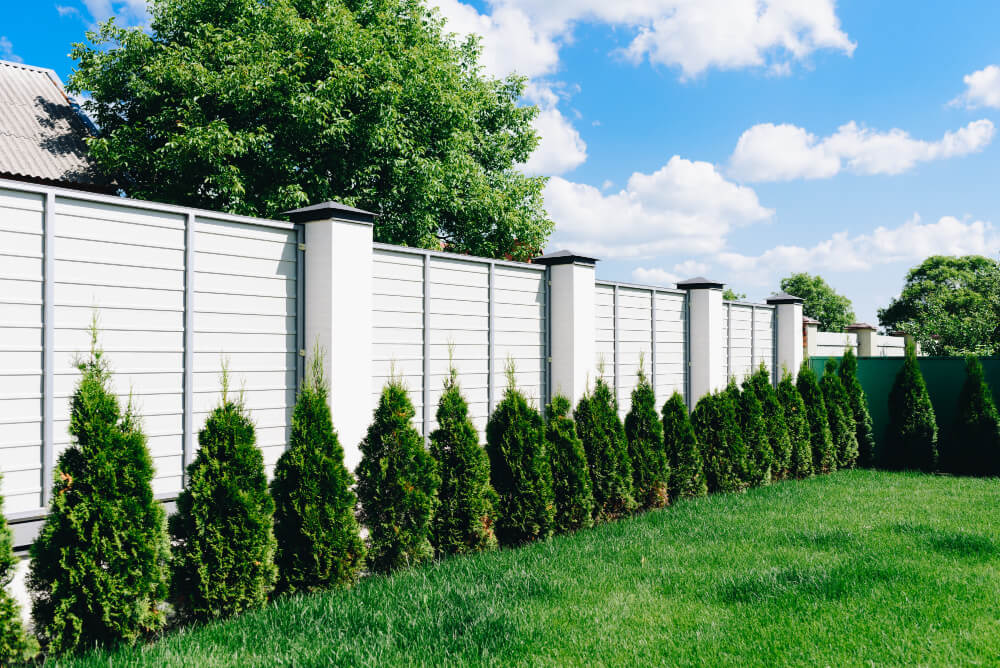
Encroachment is defined as the unauthorized extension of a structure or object onto another person’s property. This can include both physical structures, such as buildings or fences, and natural elements, such as trees or shrubs. Unauthorized use or occupation of someone else’s land is considered encroachment, violating property rights. Legally, encroachment can lead to disputes and may require resolution through negotiation, legal notices, or court actions.
Properly defining and identifying encroachments is crucial for resolving these issues effectively.
Dealing With Encroachment Issues and Property Surveys
Conducting a professional land survey before purchasing a property ensures that boundaries are accurately defined. Regular inspections can help identify potential encroachments early, allowing property owners to address issues before they escalate. A land survey can provide a precise map of property lines, helping to avoid unintentional encroachments and resolve any existing disputes.
Negotiation and Mediation
Engage in open and friendly discussions with your neighbor to find a mutually acceptable solution. Sometimes, agreeing to a compromise, such as allowing the encroachment in exchange for compensation, can resolve the issue amicably. Mediation involves a neutral third party who helps both sides reach an agreement. Which can be a less costly and more amicable solution compared to legal action.
Legal Action
If negotiation fails, one can seek legal remedies. This can include filing a lawsuit for a quiet title action, which establishes ownership of the disputed property. A real estate attorney can guide the best course of action and represent your interests in court. Legal action is usually the last resort due to its cost and potential to strain neighborly relations further.
Encroachments and Easements
It’s important to distinguish between encroachments and easements. While encroachment is the unauthorized intrusion onto another’s property, an easement is a legal right to use another’s land for a specific purpose. For example, someone using part of a neighbor’s property without permission for an extended period can establish prescriptive easements, potentially gaining legal rights to use that portion of the property.
Understanding the difference between these terms is important for property owners. Legally recognized rights include easements, whereas encroachments are violations that require resolution.
Bottom Line
Encroachment in real estate can lead to significant legal and neighborly disputes if not addressed promptly. Property owners can protect their rights and maintain good relationships with their neighbors by understanding what encroachment is, identifying common types, and knowing how to deal with encroachment issues. Conducting property surveys, negotiating with neighbors, and seeking legal advice from a real estate attorney are all good ideas to resolve the issue effectively. When you want to sell your home, addressing any property encroachments beforehand can ensure a smoother transaction and protect your investment. In summary, encroachment is a critical issue in real estate that can impact property values and neighbor relations.

Written by Vanessa Gallanti. January 1, 2026
Enthusiast about planning, project management, construction materials and technology, and construction. A civil engineer from Los Andes University and a content writer for Kukun.
Top blog posts









See more >
Recommended

Join our newsletter
Get helpful renovation tips, insightful home maintenance articles, real estate market trends, and more.
Please enter a name
Please enter a valid e-mail