Modular vs. Traditional: Which Build Method Protects Your Equity Best in 2026?
Created Wed, Feb 4, 2026 - 5 min read
Top blog articles
If you’ve walked through your neighborhood recently, you’ve likely seen the familiar sight of a house “wrapped in plastic” for months on end. Traditional stick-built construction has been the gold standard for decades, but in 2026, the cracks are starting to show, not in the foundations, but in the timelines and budgets.
With interest rates stabilized but labor costs at an all-time high, homeowners are asking a critical question: Is there a faster, smarter way to grow my home’s footprint?
The rise of high-end modular and prefab construction has moved from a “fringe” trend to a mainstream financial strategy. But does a modular addition protect your equity as well as a traditional one? Let’s look at the data.
The Core Difference: Factory Precision vs. Field Craft
To understand the ROI, we first have to understand the process.
- Traditional (Stick-Built): Your home is built on-site, exposed to the elements, and subject to local weather delays and “missing contractor” syndromes.
- Modular/Prefab: Your home or addition is built in a climate-controlled factory in sections (modules), then trucked to your site and craned onto a foundation.
In 2026, modular isn’t just “trailers.” We are talking about luxury, architecturally significant structures that meet (and often exceed) local building codes.
Cost Comparison: Breaking Down the 2026 Dollars
One of the biggest myths is that modular is “cheap.” It’s not. It is, however, predictable.Feature Traditional Stick-Built Modular / Prefab Cost per Sq. Ft. (Avg) $350 – $600 $250 – $450 Construction Timeline 9 – 18 Months 3 – 6 Months Budget Predictability Variable (Change orders are common) High (Fixed factory pricing) Waste & Sustainability High (On-site waste) Low (Optimized factory materials)
Using the Kukun Renovation Cost Estimator, we’ve found that while the material costs are similar, the savings in modular come from reduced on-site labor hours and the elimination of weather-related damage to materials.
The ROI Trap: Does Modular Affect Resale Value?
This is the “anxiety” point for most homeowners. Will a future buyer care if the house was built in a factory?
In 2026, the answer is a resounding no. Because modular homes are built to the same local codes as stick-built homes, they are appraised exactly the same. In fact, because factory-built homes often have tighter tolerances and better insulation (required for the stress of being trucked to the site), they often receive higher PICO™ Property Condition Scores.
The Real Equity Win: In a high-inflation environment, “Time is Money.” If you can finish an ADU in 4 months instead of 12, you gain 8 months of rental income or 8 months of “utility value.” That is “Speed-to-Equity.”
When Traditional Still Wins
Despite the modular boom, there are times when “stick-built” is the only way to protect your investment:
- Highly Custom Architecture: If your design involves complex angles or non-standard spans that don’t fit on a flatbed truck.
- Difficult Site Access: If a crane can’t get to your backyard due to narrow streets or power lines, traditional crews are your only option.
- Historic Districts: Many historic boards still require traditional methods to ensure a perfect “match” with the neighborhood’s existing fabric.
The Quality Standards: Why “Factory Built” Doesn’t Mean “Cheap”
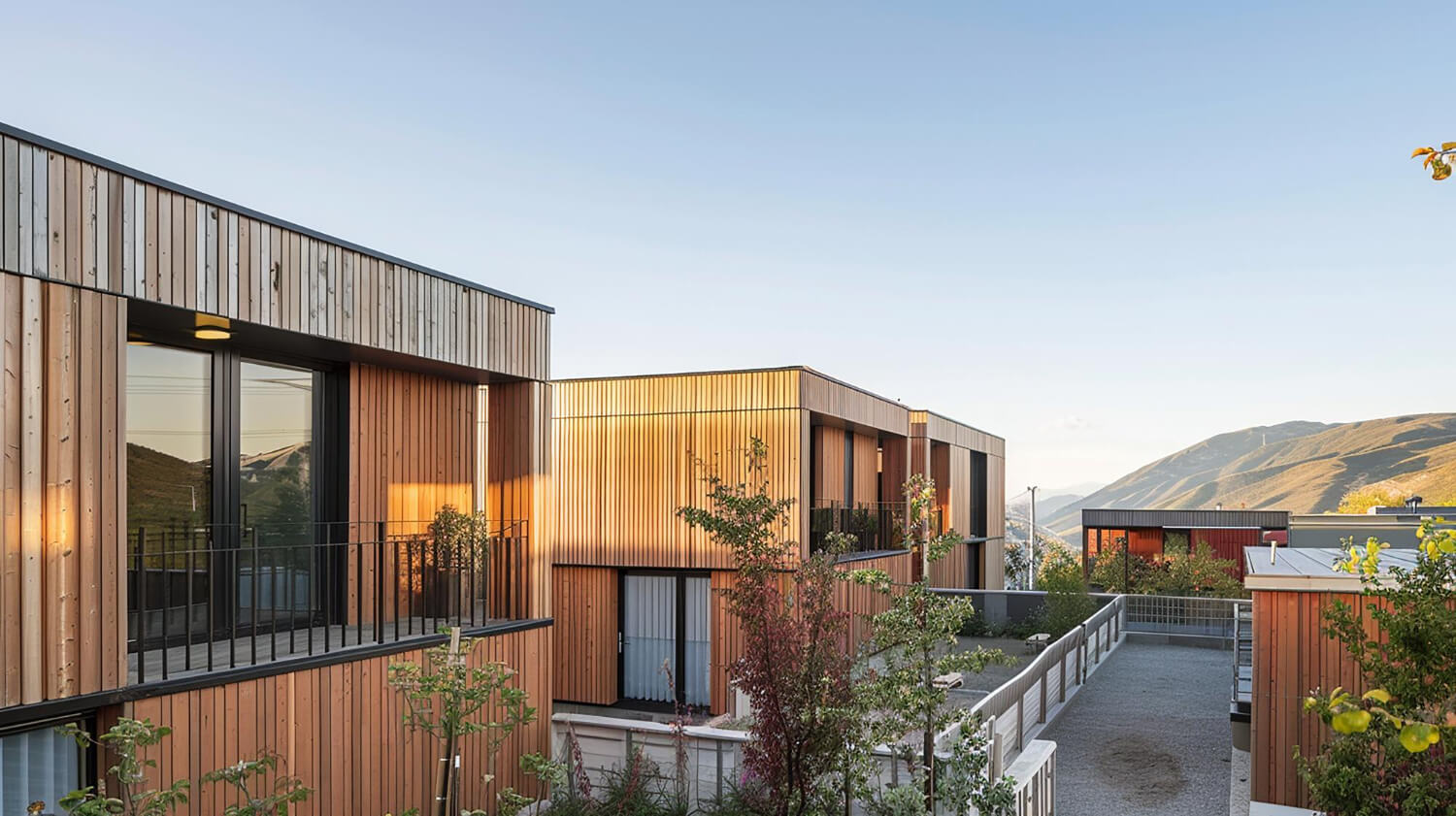
One of the most persistent hurdles for homeowners is the stigma that modular homes are somehow less durable than those built by hand on-site. However, the data from 2026 suggests the opposite. Because modular units must be transported over highways, they are engineered with significantly more structural reinforcement than a standard stick-built home.
For those looking to dive deeper into the technical superiority of these methods, the National Institute of Building Sciences (NIBS) provides comprehensive research on how off-site construction improves building resiliency and life-cycle performance. Their “Off-Site Construction Council” is a key resource for understanding how factory-controlled environments eliminate the common defects (like trapped moisture or wood rot) that often plague traditional job sites during rainy seasons.
Summary of the ROI Decision Matrix
| Metric | Traditional Construction | Modular Construction |
| Permit Speed | Standard | Faster (with pre-approved plans) |
| Financing Ease | Excellent | Improving (Standard 2026 mortgages apply) |
| Customization | Unlimited | High (with “Custom-Modular” firms) |
| Sustainability | Variable | Exceptional (up to 70% less waste) |
FAQs: Modular vs. Traditional Equity
Q: Can I get a traditional mortgage for a modular addition?
A: Yes. Since 2026 modular homes are considered “permanent real estate” (unlike mobile homes), they qualify for standard financing, including HELOCs and Reno Loans.
Q: Are modular homes less durable?
A: Actually, they are often more durable. They are engineered to survive the vibrations and winds of highway transport, which means they are incredibly rigid once bolted to a foundation.
Q: How do I know if modular is allowed in my zip code?
A: Most modern zoning laws treat modular exactly like stick-built. However, always check for “CC&Rs” in your specific development. Use Kukun’s Construction Near Me service to see if other modular permits have been pulled in your area recently.
Q: What about “Office Pods”?
A: Backyard office pods are the “entry-level” prefab. While they add functionality, they only add significant resale value if they are permitted as “habitable space” with electricity and climate control.
The Verdict: The Efficiency Premium
In 2026, the most resilient asset is the one that is finished and functional. Traditional construction offers the ultimate in “bespoke” luxury, but for the homeowner looking to maximize ROI and minimize stress, modular is the “Sweet Spot” of the year.

Written by Billy Guteng. February 4, 2026
Billy is a content writer for Kukun. He was born in France, and has lived in multiple cities around the world ever since. He loves art, design and architecture as well as construction and real estate.
Top blog posts










See more >
Recommended

Join our newsletter
Get helpful renovation tips, insightful home maintenance articles, real estate market trends, and more.
Please enter a name
Please enter a valid e-mail