Beyond Solar: Why Every 2026 Remodel Needs a “Home Battery” Audit
Updated Thu, Feb 19, 2026 - 4 min read
Top blog articles
For years, the solar pitch was simple: “Save money on your monthly bill.” But in 2026, the pitch has changed. As grid instability becomes a recurring headline and utility rates fluctuate wildly, the most valuable home isn’t the one with the most panels, it’s the one with the smartest storage.
Welcome to the “Off-Grid Light” movement.
Unlike the full off-grid purists of the past, today’s homeowners are looking for “attainable independence.” They want to ensure that when the neighborhood goes dark, their fridge stays cold, their WiFi stays up, and their Smart Home security remains active. This shift is fundamentally changing how we calculate home value and PICO™ Property Condition Scores.
What is “Off-Grid Light”?
Off-Grid Light is the strategic use of partial off-grid solar kits and battery backups to power “critical loads” rather than the entire house.
In a traditional solar setup without a battery, your system shuts down during a blackout to prevent back-feeding the grid. With a battery audit and a critical loads panel, you “isolate” your essential circuits. In 2026, this is no longer a luxury; it is a core component of System Resilience.
The 2026 Battery Backup Cost Breakdown
The cost of home energy storage has stabilized, but it remains a significant investment. Based on Kukun’s 2026 localized data, here is what you should expect to spend:
- Portable Power Stations (Entry Level): $1,500 – $4,000. Perfect for keeping phones, laptops, and a small fridge running for 24 hours.
- Whole-Home Partial Backup (Mid-Range): $8,000 – $15,000. Usually 10kWh to 15kWh (like a Tesla Powerwall 3 or Enphase IQ). Powers lights, WiFi, and kitchen basics for 2-3 days.
- Full Independence (High-End): $25,000+. 30kWh+ storage capacity, often paired with a smart electrical panel to manage heavy loads like HVAC.
The PICO™ Score Connection: Why Resilience is the New ROI
At Kukun, our PICO™ Score doesn’t just look at how pretty your kitchen is; it looks at how well your home functions under stress.
In 2026, a home with a documented Battery Backup System receives a significant “Resilience Premium.” Why? Because it represents a lower risk for the owner and the insurer.
- Lower Insurance Risk: Many 2026 insurers are beginning to offer discounts for homes that can maintain sump pumps and security systems during outages.
- Market Differentiation: When two identical houses are for sale, the one that can “weather the storm” without a generator’s noise and fumes is the one that gets the over-asking offer.
How to Conduct a “Home Battery Audit” for Your Remodel
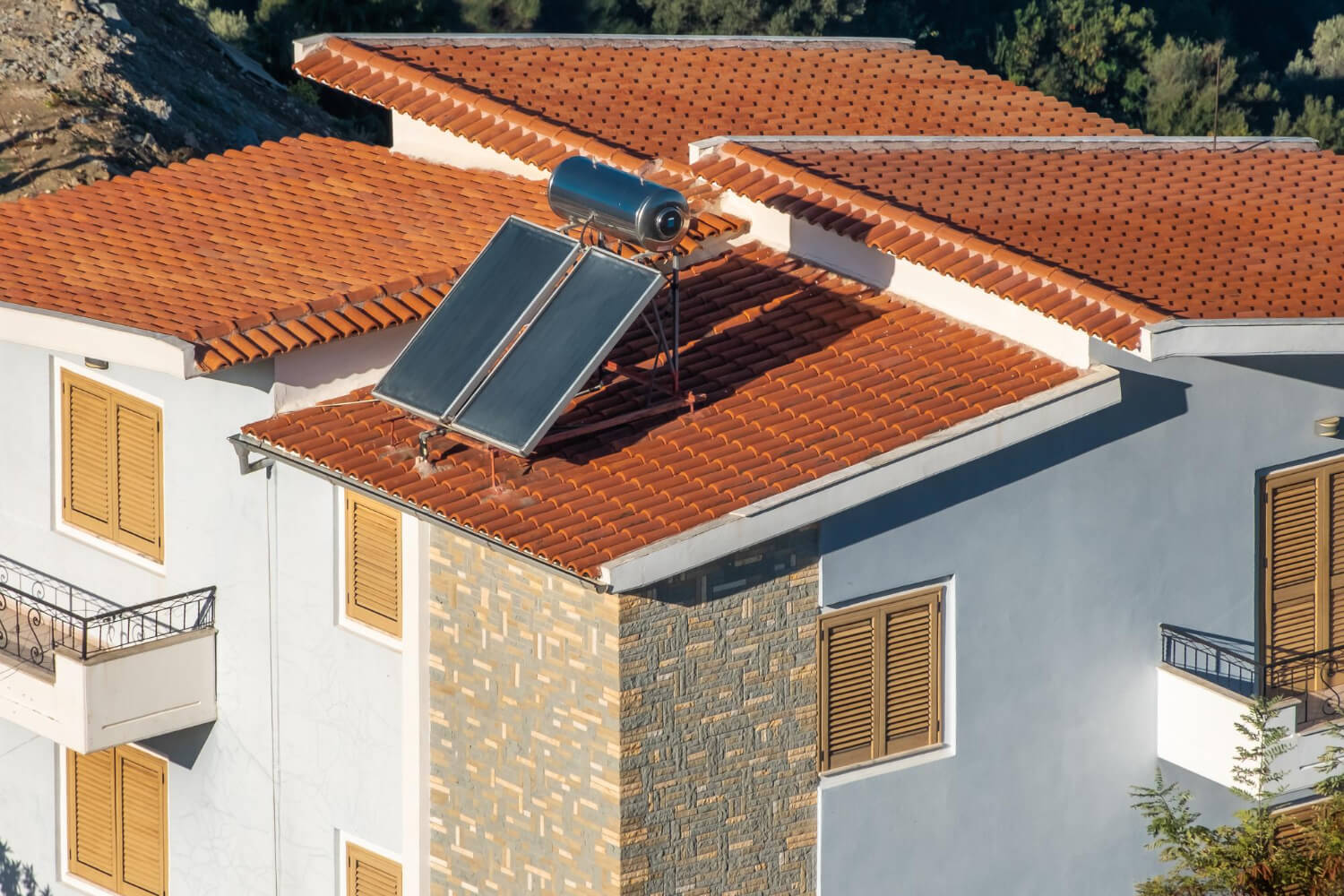
If you are planning a renovation in 2026, you shouldn’t just be picking out tiles. You should be performing an energy audit.
Step 1: Identify Your Critical Loads
What do you actually need?
- Essentials: Fridge, Router, select LED lighting, phone charging.
- High-Impact: Sump pump, medical devices, well pump (if applicable).
- The “Wait” List: AC, Dishwasher, Electric Oven. These draw massive power and are usually left off an “Off-Grid Light” circuit.
Step 2: Evaluate Your Electrical Panel
In 2026, the Smart Electrical Panel (like Span or Schneider Pulse) is the brain of the home. These panels allow you to toggle which rooms get power from your battery via an app, effectively doubling your battery’s “run time” by cutting off non-essential rooms remotely.
Step 3: Integrate with Your Maintenance Schedule
A battery is a “set and forget” technology, which is a mistake. To maintain your home’s value, your battery system must be part of your Kukun Maintenance Planner.
- The Maintenance Task: Annual firmware updates and “capacity checks” ensure the lithium cells are degrading at a normal rate. Documenting this care is vital for your Pre-Sell strategy.
FAQs: Home Power Solutions in 2026
Q: Can I add a battery to my existing solar system?
A: Usually, yes. In 2026, most systems use “AC-Coupled” batteries, which allow them to be retrofitted to almost any solar array.
Q: Do batteries pay for themselves through utility savings?
A: In regions with “Time-of-Use” (TOU) pricing, yes. You can charge the battery when rates are low and use that stored power when rates are high (typically 4 PM – 9 PM).
Q: What is the lifespan of a home battery?
A: Most 2026 models come with a 10-to-15-year warranty. According to the National Renewable Energy Laboratory (NREL), modern Lithium Iron Phosphate (LFP) batteries can handle thousands of cycles before dropping below 70% capacity.
Q: Are there tax incentives for batteries in 2026?
A: Yes. Under current federal guidelines, stand-alone battery storage systems (over 3kWh) qualify for a 30% Residential Clean Energy Credit, even if you don’t have solar panels.
The Verdict: The Peace-of-Mind Premium
Energy independence is no longer about “going green”, it’s about “going smart.” By conducting a battery audit and integrating storage into your 2026 remodel, you are buying more than just electricity; you are buying the confidence that your home remains a functional sanctuary, no matter what happens on the street.
Read more: The Insurance Hack: How maintenance and resilience save you 15%.

Written by Billy Guteng. February 19, 2026
Billy is a content writer for Kukun. He was born in France, and has lived in multiple cities around the world ever since. He loves art, design and architecture as well as construction and real estate.
Top blog posts










See more >
Recommended

Join our newsletter
Get helpful renovation tips, insightful home maintenance articles, real estate market trends, and more.
Please enter a name
Please enter a valid e-mail