Why Your Inefficient Home Could Become a “Stranded Asset” by 2030
Created Wed, Mar 18, 2026 - 4 min read
Top blog articles
The term “Stranded Asset” used to be reserved for coal mines and oil fields. In 2026, it entered the residential real estate lexicon. A stranded asset is a property that, due to its high energy costs and carbon footprint, becomes too expensive to maintain and nearly impossible to sell to a modern buyer.
We are witnessing the end of the “inefficient home” as a viable investment. In 2026, the market is aggressively punishing homes with outdated systems, while rewarding those that have undergone a “Brown to Green” conversion. At Kukun, we use KIO (Kukun Investment Outlook) to identify “Brown” neighborhoods where retrofitting offers the highest potential for an equity explosion.
Understanding the 2026 Price Gap: Green Premium vs. Brown Discount
The financial delta between an energy-efficient home and an inefficient one has widened into a chasm.
- The Brown Discount: Homes with “D” or “E” energy ratings (or those with un-modernized Smart Guts) are seeing their market value drop by as much as 10% to 15% compared to local averages.
- The Green Premium: Conversely, homes that have been retrofitted to A+ Energy Standards are commanding a 7% to 12% premium.
- The ROI of Conversion: When you factor in both the avoided discount and the added premium, a “Brown to Green” retrofit can yield an effective equity lift of 20% or more.
The Retrofit Roadmap: Flipping “Brown” to “Green”
Retrofitting an old home for a modern buyer in 2026 isn’t just about solar panels; it’s about a systemic overhaul of the property’s “vital organs.”
1. The Thermal Envelope (The Shell)
You cannot be a green asset if you are “leaking” air. The first step in any conversion is triple-glazing and high-density insulation.
- Target: Reducing air infiltration to below 1.5 ACH (Air Changes per Hour).
2. Electrification (The Core)
In 2026, “Gas-Free” is a selling point.
- The Upgrade: Swapping gas furnaces and water heaters for Aerothermal heat pumps.
- The Investment Signal: According to KIO data, homes that are “Full-Electric Ready” attract 3x more interest from institutional “Green” buyers.
3. Verification (The Data)
A “Green” home is only worth the premium if you can prove it. This is where iHomeManager becomes essential. By documenting every upgrade (from the R-value of the insulation to the efficiency of the heat pump) you create a “Digital Green Passport” for the property.
Using KIO to Map Your Investment Strategy
Kukun’s Investment Outlook (KIO) allows you to see the “efficiency health” of entire neighborhoods.
- Identify “Brown” Zones: Look for areas with high concentrations of 1950s–1980s builds that haven’t seen a permit surge in 20 years. These are the prime targets for “Green Flipping.”
- Predict the “Equity Jump”: KIO calculates the potential value increase of a neighborhood if 25% of the homes were to undergo a deep retrofit. This helps you choose the right property before the market prices in the “Green Premium.”
The Verdict: Modernize or Depreciate
By 2030, the “Brown Discount” will no longer be a discount; it will be a “Do Not Buy” list. In 2026, we are in the sweet spot for the Brown to Green conversion. Homeowners and investors who act now are securing their equity against climate risk and utility inflation, ensuring their property remains a highly liquid, premium asset for decades to come.
The Institutional Shift: Why the “Brown Discount” is Real
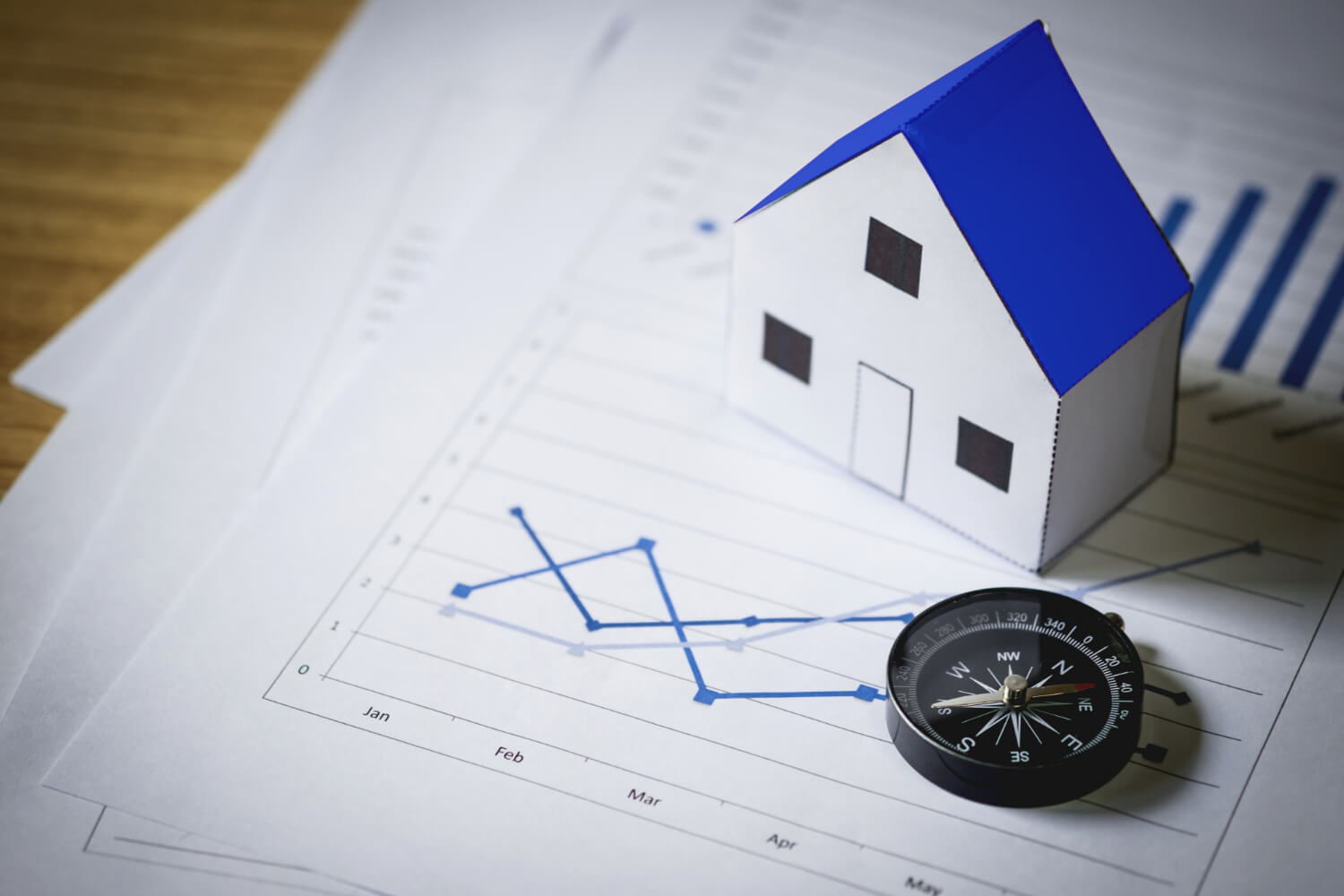
While many homeowners see energy efficiency as a personal choice, the global investment market sees it as a mathematical necessity. The Urban Land Institute (ULI) has pioneered the study of how climate risk and energy inefficiency are directly impacting property liquidity.
According to a 2026 report by the Urban Land Institute (ULI) on Climate Risk and Real Estate Value, properties that fail to meet modern efficiency benchmarks are now subject to “Value at Risk” (VaR) assessments. These assessments show that “Brown” assets in 2026 face higher insurance premiums, increased regulatory costs, and a shrinking buyer pool. By using KIO (Kukun Investment Outlook) to flip these properties, you are essentially “de-risking” your equity and moving your asset from the “At Risk” category into the “Market Leading” category.
FAQs: The “Green” Transition
Q: What is the single most important “Green” upgrade for ROI?
A: In 2026, it’s the Heat Pump Retrofit. It’s the most visible signal to a buyer that the home has moved away from fossil fuel dependency.
Q: Can I get a specialized loan for a “Brown to Green” conversion?
A: Yes. Many 2026 lenders offer “Green Mortgages” or “Resilience HELOCs” that offer lower interest rates if the funds are used for documented energy-efficiency improvements.
Q: How does this affect my PICO™ Score?
A: A “Brown to Green” conversion is the fastest way to move a PICO™ Score from the “Standard” 50-60 range into the “Elite Resilience” 90+ range.

Written by Alejandro Guerrero. March 18, 2026
With a mixed love between the sciences and the arts and a passion for reading, Alejandro has developed a background that allows him to discuss many subjects. Being home design one of them, he likes to share thoughts and tips on how to not to forget that those buildings we live in are our homes at the end.
Top blog posts







See more >
Recommended

Join our newsletter
Get helpful renovation tips, insightful home maintenance articles, real estate market trends, and more.
Please enter a name
Please enter a valid e-mail