How 2026 Investors Are Turning “Zombie” Commercial Space into Residential Gold
Created Wed, Apr 29, 2026 - 4 min read
Top blog articles
Sponsored Rates for October 2026
Compare Rates for Mortgage, Personal Loans and Home Equity


The 2026 market has hit a tipping point. According to Yardi Matrix data, office-to-housing conversions grew by 28% last year alone. In cities like Chicago, Philadelphia, and Cleveland, the “Cost-to-Buy” for Class B and C office space has fallen so far below “Cost-to-Build” for new apartments that the math for adaptive reuse has become irresistible.
At Kukun, we track this shift through our Construction Near Me tool. By filtering for “Change of Use” permits, you can see where the “Smart Money” is already converting retail and office footprints into residential density. This is the ultimate “BiggerPockets” move: acquiring commercial-grade infrastructure at a discount and repositioning it for the high-demand 2026 rental market.
1. Identifying the “Zombie” Asset: Zoning and Permit Spikes
A “Zombie Commercial” asset is a building that is “dead” in its current use but has the “Smart Guts” to be reborn. In 2026, the signal isn’t a “For Sale” sign, it’s the permit trail.
- Following the “Change of Use”: Use Construction Near Me to find neighborhoods where “Retail-to-Residential” or “Office-to-Residential” permits have spiked by 15% or more in the last 6 months. This indicates that the local municipality has streamlined the “By-Right” conversion process.
- The “Live-Work” Zoning Hack: Many cities in 2026, including Austin and San Francisco, have implemented new “Mixed-Use” overlays that allow you to convert a small commercial building into a “Residential-Primary” asset without a full rezoning battle.
2. The Conversion Blueprint: Structural Feasibility
Not every zombie can be saved. To protect your ROI, your “Paperwork Audit” must include a deep dive into the building’s physical limitations.
- Floor Plate Depth: Residential units require windows. Buildings with floor plates deeper than 65–70 feet from core to perimeter often require an interior “light atrium,” which adds $50–$100+ per square foot to your budget.
- MEP Infrastructure (Mechanical, Electrical, Plumbing): Office buildings have centralized “Core” plumbing. Converting to residential means running individual lines to each “Loft.”
- The PICO™ Health Audit: Use iHomeManager to audit the existing HVAC and electrical systems. If the building has a high Infrastructure Health Score, you can save up to 25% on conversion costs by retrofitting rather than replacing.
3. 2026 Conversion Math: Commercial Basis vs. Residential ARV
| Project Stage | Cost per Sq. Ft. (2026) | Strategy |
| Acquisition (Zombie Office) | $80 – $120 | Focus: Distressed Class B/C |
| Rehab / Fit-Out | $150 – $300 | Focus: “Industrial-Chic” Lofts |
| Total Basis | $230 – $420 | (Inclusive of Fees/Carry) |
| Residential Market Value | $550 – $750 | High-Demand “Loft” Premium |
High-Authority Insight: The 179D Tax Pivot
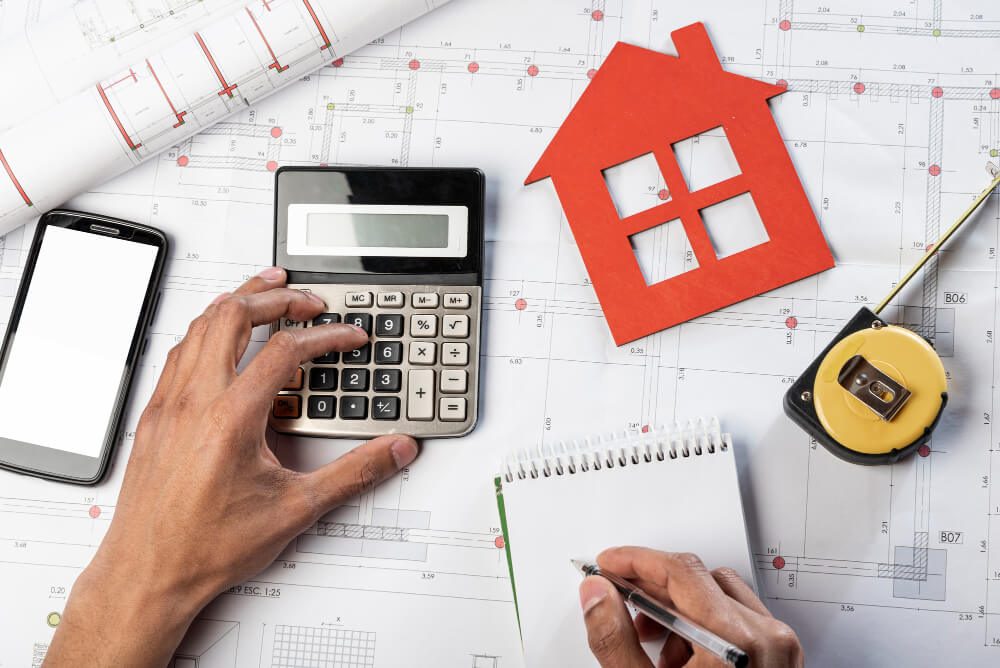
To maximize the profitability of a commercial conversion in 2026, you must utilize the federal incentives designed for energy-efficient retrofits.
According to the IRS Section 179D Energy Efficient Commercial Buildings Deduction, investors who improve the energy efficiency of a commercial building’s envelope, HVAC, or lighting systems by at least 25% can qualify for a tax deduction of up to $5.00+ per square foot (if prevailing wage requirements are met). For a 20,000 sq. ft. conversion, this is a $100,000+ “soft cost” reduction that directly increases your Net Operating Income (NOI).
FAQs: Navigating the Zombie Pivot
Q: Is it cheaper to convert than to build from scratch in 2026?
A: Usually. With new construction costs averaging $350–$500/sq. ft. in many cities, acquiring a “Zombie” at $100/sq. ft. and spending $200 on the fit-out gives you a finished product at 30% below replacement cost.
Q: Do these lofts rent for as much as standard apartments?
A: In 2026, they often rent for 10–15% more. The “Industrial-Chic” aesthetic (high ceilings, exposed brick, large windows) is a major draw for high-earning remote professionals and the “Professional Nomad” demographic.
Q: How do I find “Change of Use” permits in Kukun?
A: In the Construction Near Me dashboard, filter for “Commercial-to-Residential” or “Adaptive Reuse” tags. This will show you exactly where other investors are finding success with this asset class shift.
Q: Can I use iHomeManager for a commercial conversion?
A: Yes. iHomeManager is essential for tracking the “Restoration” phase. By documenting the new individual utility runs and fire safety systems, you build the “Technical Proof” needed to secure a high-LTV residential refinance once the conversion is complete.
The Verdict: The Future is Repurposed
In 2026, the most successful investors aren’t just looking for houses; they are looking for Space. By identifying “Zombie Commercial” assets and utilizing data-driven permit tracking, you can unlock residential gold in the most unlikely places. You aren’t just converting a building; you are participating in the Great Urban Recalibration.

Written by Alejandro Guerrero. April 29, 2026
With a mixed love between the sciences and the arts and a passion for reading, Alejandro has developed a background that allows him to discuss many subjects. Being home design one of them, he likes to share thoughts and tips on how to not to forget that those buildings we live in are our homes at the end.
Top blog posts






See more >
Recommended

Join our newsletter
Get helpful renovation tips, insightful home maintenance articles, real estate market trends, and more.
Please enter a name
Please enter a valid e-mail