Top blog articles
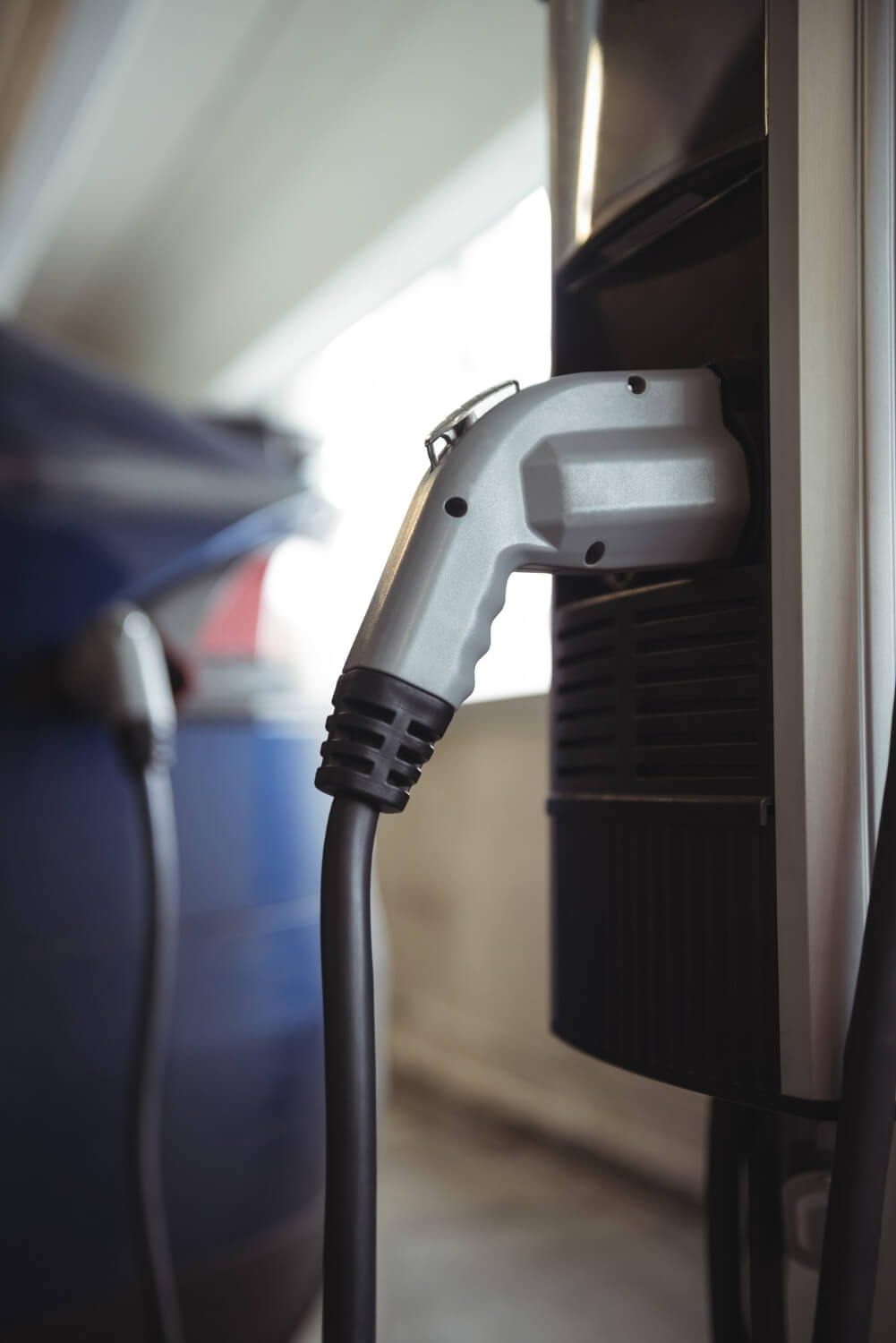
For years, we’ve discussed the “Smart Home” in terms of light bulbs and thermostats. In 2026, the conversation has shifted to the “Power Home.” With nearly 25% of all new car sales in many regions now being electric, the ability to charge at home is the #1 amenity requested by suburban buyers.
At Kukun, we track this through the “Smart Guts” section of your PICO™ Property Condition Score. An EV-ready home is a “future-proofed” asset. By upgrading your infrastructure today, you aren’t just making life easier for your current car; you are securing a “Fuel-Independent” premium for your future sale.
The Infrastructure Gap: Level 1 vs. Level 2 Charging
Most older homes are equipped with standard 120V outlets, known as Level 1 charging. In 2026, this is considered “trickle charging” and is no longer sufficient for the long-range batteries found in modern EVs.
- The Level 2 Standard: Level 2 charging uses 240V (the same as your dryer or oven) and can fully charge a typical EV overnight.
- Cost to Install Level 2 EV Charger at Home 2026: On average, homeowners are spending $1,200 – $2,500 for the hardware and installation.
- The ROI: Because this is a high-demand infrastructure item, the recouped cost at resale is nearly 100%, with many homes seeing a “Speed of Sale” increase of 5–8 days in competitive markets.
The “Invisible” Hurdle: Home Electrical Panel Upgrades
The highest cost in becoming “EV-Ready” often isn’t the charger itself; it’s the capacity of your home to handle the load. Many older homes still run on 100-amp or 125-amp service.
- The 200-Amp Standard: To safely run an EV charger alongside an A/C unit, electric range, and Heat Pump, a 200-amp service upgrade is the 2026 baseline.
- Home Electrical Panel Upgrade for EV ROI: This project typically costs $2,500 – $4,500. While expensive, it is the foundation of your home’s PICO™ Score.
- The Multiplier Effect: A panel upgrade doesn’t just enable EV charging; it enables future Solar + Storage and full-home electrification, making it the highest-leverage infrastructure project of 2026.
Electric Vehicle Charging Impact on Home Value
Data from the first quarter of 2026 shows a widening value gap between “Powered” and “Unpowered” homes.
- The “Fuel Premium”: Homes with pre-installed Level 2 charging are selling for $5,000 – $10,000 more than comparable homes in the same zip code.
- Psychological Value: For an EV-owning buyer, a home without a charger is a “Project Home.” For a buyer who doesn’t yet own an EV, it is “Future-Ready.” In both cases, the seller wins.
- iHomeManager Integration: Track your electrical load capacity and store your electrician’s certifications. This documented proof is what appraisers use to justify the “Infrastructure Premium.”
The 2026 EV-Ready ROI Matrix
| Component | Average 2026 Cost | Estimated Value Lift | PICO™ Impact |
| Level 2 Charger (Hardware) | $600 – $900 | $1,000 | Functional |
| Basic Installation (240V) | $800 – $1,500 | $1,500 | Infrastructure |
| 200-Amp Panel Upgrade | $3,500 – $4,500 | $5,000 | Core Infrastructure |
| Smart Load Management | $800 – $1,200 | $1,500 | Tech/Efficiency |
FAQs: Powering Up for 2026
Q: Can I get a tax credit for the charger in 2026?
A: Yes. Under current federal guidelines, many homeowners qualify for an Alternative Fuel Infrastructure Tax Credit, which can cover 30% of the hardware and installation costs, up to $1,000.
Q: What if my garage is detached?
A: This increases the cost due to trenching (adding $1,500 – $3,000), but it is often where the ROI is highest, as buyers assume detached garages are “unpowered” and are pleasantly surprised by the upgrade.
Q: Do I need a permit for an EV charger?
A: Absolutely. In 2026, AHJs (Authorities Having Jurisdiction) will be very strict about EV load calculations. Unpermitted electrical work is a major “Red Flag” on a PICO™ Property Condition Score.
Q: Is a “Smart” charger better for resale?
A: Yes. Smart chargers that can “load balance” with your home’s energy usage are preferred in 2026, as they allow homeowners to charge during “Off-Peak” utility hours automatically.
The Verdict: Don’t Get Left at the Pump
In 2026, an EV-ready home is the only way to avoid the “Obsolescence Discount.” By investing in your home’s “Smart Guts” today, you are ensuring that your driveway isn’t just a place to park; it’s a valuable part of the 2026 energy economy. When it comes time to sell, your “EV-Ready” status will be the final push that moves a buyer from “Interested” to “Closing.”

Written by Alejandro Guerrero. March 23, 2026
With a mixed love between the sciences and the arts and a passion for reading, Alejandro has developed a background that allows him to discuss many subjects. Being home design one of them, he likes to share thoughts and tips on how to not to forget that those buildings we live in are our homes at the end.
Top blog posts









See more >
Recommended

Join our newsletter
Get helpful renovation tips, insightful home maintenance articles, real estate market trends, and more.
Please enter a name
Please enter a valid e-mail