Top blog articles
Want to give your kitchen a complete makeover, but worried about costs spiraling out of control? You’re not alone. Kitchen remodels are among the most expensive home improvement projects, with costs ranging from $18,000 for a budget refresh to $80,000+ for a complete high-end renovation.
The good news? Kitchen renovations offer among the highest returns on investment in home improvement, typically 70-90% ROI depending on your market and scope.
But here’s the problem: Most homeowners drastically underestimate kitchen remodel costs. They budget for cabinets and countertops but forget about appliances, plumbing, electrical, permits, labor, and the dozens of other expenses that add up quickly.
This comprehensive guide breaks down every cost component so you know exactly what to expect, whether you’re replacing just cabinets or doing a complete gut renovation.
Quick Cost Overview:Kitchen Remodel Type Total Cost Cost per Sq Ft ROI Timeline Budget Refresh $18,000-$28,000 $90-$140 85-95% 2-4 weeks Midrange Remodel $28,000-$55,000 $140-$275 70-85% 4-8 weeks Upscale Remodel $55,000-$80,000+ $275-$400+ 60-75% 8-12+ weeks
Based on 200 sq ft average kitchen. Actual costs vary by location (±20-40%).
Calculate Your Kitchen Remodel Cost
Get instant, ZIP-code-specific estimate for your kitchen
Understanding Kitchen Remodel Costs: What Drives the Price?
The 8 Major Cost Components:
Every kitchen remodel includes these core expense categories:
- Cabinets (25-35% of total budget)
- Countertops (10-15% of total budget)
- Appliances (12-20% of total budget)
- Flooring (5-10% of total budget)
- Plumbing & Sink (5-10% of total budget)
- Electrical & Lighting (5-8% of total budget)
- Labor (30-40% of total budget)
- Permits, Design & Miscellaneous (5-10% of total budget)
Let’s break down each component in detail:
1. Kitchen Cabinets: The Biggest Single Expense ($5,000-$30,000)
Cabinets typically account for 25-35% of your total kitchen budget, making them the single largest expense in most remodels.
What Is the Cost to Replace Kitchen Cabinets?
On average, cabinet installation costs approximately $5,000 for a basic stock cabinet refresh. The actual amount can go as high as $30,000 for custom cabinetry in a large kitchen.
Cabinet replacement options:
- Full replacement: $5,000-$30,000 (new cabinets, complete install)
- Cabinet refacing: $6,800-$14,000 (reuse boxes, new doors/faces)
- Cabinet refinishing: $2,700-$5,000 (paint/stain existing cabinets)
Factors That Affect Cabinet Costs:
Level of Customization
The total cost depends on whether you choose stock, semi-custom, or custom installation. The prices of cabinets range widely from $100 to $1,500 per linear foot or $50 to $650 per cabinet for materials alone.Type of Installation Features Materials + Hardware Cost (per linear foot) Labor Cost (per linear foot) Total Cost (Average Kitchen) Stock Cabinets • Inexpensive
• Manufactured in large quantities
• Available in many colors and trim styles$50-$200 $50-$100 $5,000-$12,000 Semi-Custom Cabinets • Offer more flexibility
• Available in traditional & contemporary styles
• Available in different sizes$80-$400 $80-$250 $13,000-$22,000 Custom Cabinets • Easily fit odd-shaped rooms
• Expensive option
• One-of-a-kind pieces$300-$800 $200-$500 $20,000-$30,000+
Average kitchen has 20-25 linear feet of cabinetry.
Cabinet Materials
The materials you choose for your cabinetry define both cost and your kitchen’s aesthetic.
Cabinet material costs make up 25-50% of your total kitchen remodeling budget.Cabinet Material Cost per Linear Foot Pros Cons Best For Hardwood
(Maple, oak, cherry, birch)$200-$550 • Beautiful appearance
• Durable
• Easy to repair scratches• May rot or warp in humidity
• Can scratchTraditional, high-end kitchens Plywood/MDF/Veneer $100-$300 • Affordable
• Easy to clean
• Resistant to stains and water• Cannot fix flaws
• May swell in humidity
• Adhesive can weakenBudget-conscious, modern styles Steel $1,000-$1,500 • Modern look
• Easy to clean
• Resists rust, stains, water• Expensive
• Absorbs heat
• May dentIndustrial, professional kitchens Acrylic $5,000-$20,000
per cabinet• Moisture & scratch resistant
• Easy to clean
• Variety of colors• Very expensive
• May stainUltra-modern, luxury kitchens
Kitchen Size
Whether you have a small kitchen or a large one, you can estimate cabinet costs based on kitchen size.
For accurate estimates, measure linear feet along walls where cabinets will be installed.Kitchen Size Square Footage Typical Linear Feet Cabinet Replacement Cost Small Kitchen 70 sq ft 12-15 linear ft $1,800-$11,000+ Average Kitchen 120 sq ft 18-22 linear ft $2,200-$15,000+ Large Kitchen 200+ sq ft 25-35 linear ft $4,000-$26,000+
Keep in mind: Custom jobs typically increase prices by 50-100% over stock options.
Cabinetry Style
Cabinet design significantly affects cost, from framed vs frameless to shaker and ultra-modern styles.
| Cabinet Design | Features | Avg Cost | Installation Time | Best For |
|---|---|---|---|---|
| Framed Cabinet | • Various materials/styles • Hangs well on uneven walls • Affordable | $100-$300/linear ft | Standard | Traditional kitchens |
| Frameless Cabinet | • Contemporary European style • Easy to hang • Very accessible • Durable materials | $150-$500/linear ft | Quick | Modern kitchens |
| Shaker Cabinet | • Affordable • Choice of materials • Easy to access • Timeless style | $150-$400/linear ft | Standard | Transitional, farmhouse |
| Raised Panel | • Decorative molding options • Traditional elegance • Easy maintenance | $200-$600/linear ft | Complex | Formal, traditional |
Take a look at: Types Of Molding And Architectural Elements For Kitchen Makeovers
Type of Finish
Painted vs stained cabinets affect both appearance and cost:
Painted Cabinets:
- Cost: $2,500-$6,500 (for average kitchen)
- Pros: Smooth finish, any color, hides imperfections, works with budget materials
- Cons: Shows wear more easily, requires touch-ups
- Best for: Modern, contemporary, white/gray kitchens
Stained Cabinets:
- Cost: $3,000-$8,000 (for average kitchen)
- Pros: Shows wood grain beautifully, ages well, easier to maintain
- Cons: Limited color options, shows wood imperfections
- Best for: Traditional, rustic, craftsman styles
Read more: Kitchen Cabinet Colors
Cabinet Hardware
Hardware for kitchen cabinets costs $2-$50 per handle/pull.
Hardware costs for an average kitchen:
- Budget hardware (basic): $200-$400 (25-30 pieces)
- Midrange hardware: $500-$1,000
- Premium hardware (designer): $1,200-$2,500+
Don’t forget hinges: Most cabinets require 2-3 hinges each at $3-$15 per hinge.
Cabinet Installation Labor Costs
Cabinet installers typically charge $35-$65 per hour. Experienced professionals charge $60-$90 per hour.
Most cabinet installations take about 1.25 hours per cabinet.
Total labor for average kitchen (20 cabinets):
- DIY: $0 (but 40-60 hours of your time)
- Professional installation: $1,500-$3,500
- With a kitchen designer: Add $100-$125 per hour for design services
Kitchen layout design: Professional kitchen layout design costs $1,000-$3,000 for complete plans.
Removal and Disposal of Old Cabinets
Removing old cabinets costs $300-$500 for demolition and disposal.
Money-saving tip: Consider donating old cabinets if they’re in good condition for a small tax deduction.
Cabinet Cost Summary:
Budget Cabinets: $5,000-$12,000
- Stock cabinets
- Plywood or MDF
- Standard sizes
- Basic hardware
Midrange Cabinets: $13,000-$22,000
- Semi-custom cabinets
- Hardwood or quality plywood
- Some customization
- Quality hardware
Premium Cabinets: $23,000-$30,000+
- Custom cabinets
- Solid hardwood
- Fully customized
- Designer hardware
Calculate cabinet costs for your kitchen size
Get detailed breakdown by linear foot and material
2. Kitchen Countertops: The Centerpiece ($2,000-$8,000)
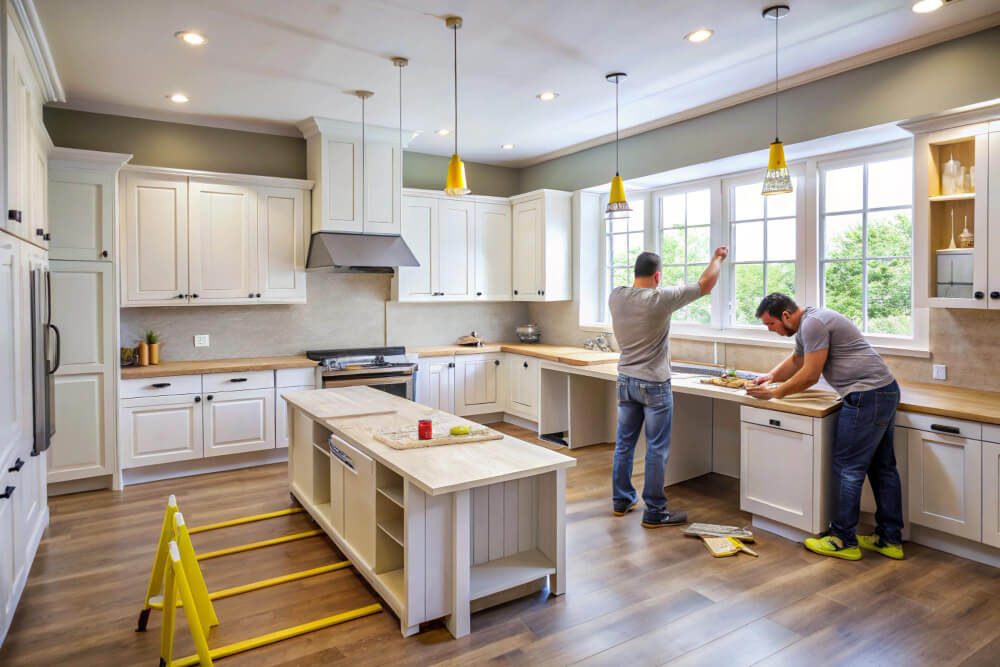
Countertops typically account for 10-15% of your kitchen remodel budget.
Countertop Costs by Material:
| Material | Cost per Sq Ft (Installed) | Pros | Cons | Lifespan |
|---|---|---|---|---|
| Laminate | $20-$50 | • Budget-friendly • Easy to clean • Many colors/patterns | • Can chip/scratch • Not heat resistant • Looks less upscale | 10-20 years |
| Tile | $25-$80 | • Heat resistant • DIY-friendly • Customizable | • Grout maintenance • Uneven surface • Can crack | 20+ years |
| Solid Surface (Corian) | $50-$100 | • Seamless appearance • Repairable • Non-porous | • Can scratch • Not extremely heat resistant | 15-25 years |
| Butcher Block | $60-$120 | • Warm aesthetic • Can be sanded • Food-safe | • Requires maintenance • Water damage risk • Shows wear | 10-20 years |
| Quartz | $60-$150 | • Non-porous • No sealing needed • Consistent pattern • Very durable | • Expensive • Can discolor with heat | 25+ years |
| Granite | $60-$180 | • Natural beauty • Heat resistant • Increases home value • Very durable | • Requires sealing • Expensive • Varies by slab | 25+ years |
| Marble | $75-$250 | • Luxurious appearance • Heat resistant • Natural veining | • Very expensive • Stains easily • Requires sealing | 25+ years |
| Quartzite | $80-$200 | • Extremely durable • Heat resistant • Natural beauty | • Very expensive • Limited colors • Requires sealing | 30+ years |
| Concrete | $85-$180 | • Fully customizable • Modern aesthetic • Heat resistant | • Expensive • Can crack • Requires sealing | 20+ years |
Average Kitchen Countertop Costs:
For an average of 40-50 sq ft of countertop space:
- Budget (Laminate/Tile): $1,000-$3,000
- Midrange (Solid Surface/Butcher Block): $2,500-$5,000
- Premium (Quartz/Granite): $3,500-$7,500
- Luxury (Marble/Quartzite): $6,000-$12,000+
Additional Countertop Costs:
- Removal of old countertops: $200-$500
- Edge treatments: $10-$30 per linear foot (for upgraded edges)
- Backsplash: $400-$2,000 (tile, 15-20 sq ft)
- Sink cutout: Usually included, but $100-$300 if charged separately
- Cooktop cutout: $100-$300
Countertop ROI:
- Laminate upgrade: 75-85% ROI
- Quartz/Granite upgrade: 80-90% ROI
- Marble upgrade: 60-75% ROI (luxury market only)
Best value: Quartz offers an excellent durability-to-cost ratio and appeals to most buyers.
3. Kitchen Appliances: Modern Must-Haves ($3,000-$15,000)
Appliances typically account for 12-20% of your kitchen remodel budget.
Major Appliance Costs:
| Appliance | Budget | Midrange | Premium | Notes |
|---|---|---|---|---|
| Refrigerator | $600-$1,200 | $1,200-$3,000 | $3,000-$10,000+ | French door, built-in cost more |
| Range/Stove | $400-$800 | $800-$2,000 | $2,000-$8,000+ | Gas costs more than electric |
| Dishwasher | $300-$600 | $600-$1,200 | $1,200-$2,500+ | Quiet models (≤45 dB) cost more |
| Microwave | $150-$400 | $400-$800 | $800-$1,500+ | Over-range vs built-in |
| Range Hood | $200-$600 | $600-$1,500 | $1,500-$4,000+ | CFM rating affects price |
Appliance Package Costs:
Budget Appliance Package: $2,500-$4,500
- Basic models
- Standard finishes (white, black, stainless)
- Essential features only
Midrange Appliance Package: $5,000-$10,000
- Energy Star rated
- Stainless steel or matching panels
- Smart features (Wi-Fi, touchscreen)
Premium Appliance Package: $12,000-$25,000+
- Professional-grade
- Built-in models
- High-end brands (Sub-Zero, Wolf, Miele)
- Panel-ready for seamless look
Additional Appliance Considerations:
Installation Costs:
- Refrigerator: $100-$300 (includes delivery)
- Range/stove: $150-$400 (gas line work extra)
- Dishwasher: $150-$400 (includes plumbing connection)
- Microwave (over-range): $100-$300
- Range hood: $200-$600 (includes ventilation)
Total installation: $700-$2,000
Appliance Removal/Disposal:
- Per appliance: $50-$150
- Or donate/sell working appliances
Gas Line Installation:
- New gas line: $500-$1,500 (if switching from electric)
Electrical Upgrades:
- 220V outlet for electric range: $300-$800
Appliance ROI:
- Energy-efficient appliances: Save $200-$500/year on utilities
- ROI at resale: 70-85% (buyers expect modern appliances)
- Matching stainless package: Adds perceived $3,000-$5,000 to home value
Pro Tip: Buy appliances during holiday sales (Black Friday, Memorial Day, Labor Day) for 20-40% off.
4. Kitchen Flooring: Foundation of Style ($1,500-$5,000)
Flooring typically accounts for 5-10% of your kitchen remodel budget.
Flooring Costs by Material (200 sq ft kitchen):
| Material | Cost per Sq Ft (Installed) | Total Cost (200 sq ft) | Pros | Cons | Lifespan |
|---|---|---|---|---|---|
| Vinyl Sheet | $2-$8 | $400-$1,600 | • Budget-friendly • Water resistant • Easy install | • Can tear • Looks cheap • Limited resale appeal | 10-15 years |
| Luxury Vinyl Plank (LVP) | $4-$12 | $800-$2,400 | • Water resistant • Realistic wood look • Comfortable underfoot | • Can scratch • Not eco-friendly | 15-25 years |
| Laminate | $3-$10 | $600-$2,000 | • Affordable • Easy to clean • Wood appearance | • Not water resistant • Cannot refinish | 10-20 years |
| Ceramic Tile | $5-$15 | $1,000-$3,000 | • Durable • Water resistant • Many styles | • Cold/hard • Grout maintenance • Can crack | 20-30 years |
| Porcelain Tile | $6-$20 | $1,200-$4,000 | • Very durable • Water resistant • Low maintenance | • Expensive • Cold/hard • Professional install needed | 30-50 years |
| Natural Stone (slate, travertine) | $10-$30 | $2,000-$6,000 | • Unique beauty • Very durable • Luxury appeal | • Expensive • Requires sealing • Can stain | 30+ years |
| Hardwood | $8-$25 | $1,600-$5,000 | • Beautiful • Can refinish • Increases value | • Water damage risk • Shows wear • Expensive | 25-40 years |
| Engineered Hardwood | $6-$18 | $1,200-$3,600 | • Wood appearance • More water resistant • Can refinish once | • Some water damage risk • Limited refinishing | 20-30 years |
Additional Flooring Costs:
- Removal of old flooring: $200-$500
- Subfloor repair: $200-$800 (if damaged)
- Underlayment: $0.50-$2 per sq ft ($100-$400 total)
- Transitions/trim: $100-$300
Flooring ROI:
- Vinyl/Laminate: 70-80% ROI
- Tile: 75-85% ROI
- Hardwood: 80-90% ROI (highest ROI flooring choice)
Best value for kitchens: LVP (luxury vinyl plank) offers excellent water resistance, durability, and appearance at midrange cost.
5. Plumbing & Sink: Essential Infrastructure ($1,000-$3,500)
Plumbing typically accounts for 5-10% of your kitchen remodel budget.
Kitchen Sink Costs:
| Sink Type | Cost (Sink Only) | Installation | Total Cost | Best For |
|---|---|---|---|---|
| Drop-In Stainless | $150-$500 | $200-$400 | $350-$900 | Budget kitchens |
| Undermount Stainless | $250-$800 | $300-$500 | $550-$1,300 | Modern kitchens |
| Cast Iron/Enamel | $300-$1,000 | $300-$500 | $600-$1,500 | Traditional kitchens |
| Composite (Granite/Quartz) | $300-$900 | $300-$500 | $600-$1,400 | Contemporary |
| Farmhouse/Apron | $400-$1,500 | $400-$700 | $800-$2,200 | Farmhouse style |
| Fireclay | $600-$1,800 | $400-$700 | $1,000-$2,500 | High-end traditional |
Faucet Costs:
| Faucet Type | Cost (Faucet Only) | Installation | Total Cost |
|---|---|---|---|
| Basic Single-Handle | $50-$150 | $150-$250 | $200-$400 |
| Pull-Down Sprayer | $150-$400 | $150-$250 | $300-$650 |
| Commercial Style | $250-$800 | $150-$300 | $400-$1,100 |
| Touchless | $300-$700 | $200-$350 | $500-$1,050 |
| Pot Filler (add-on) | $150-$500 | $200-$500 | $350-$1,000 |
Plumbing Work Costs:
- Same-location replacement: Included in installation costs above
- Moving sink location: $500-$1,500 (3-6 feet)
- Major relocation: $1,000-$3,000 (across kitchen)
- New gas line (for range): $500-$1,500
- Rough plumbing updates: $1,000-$2,500
- Water line for refrigerator: $150-$400
Garbage Disposal:
- Basic (1/3 HP): $80-$150 + $100-$200 install = $180-$350
- Midrange (1/2-3/4 HP): $150-$300 + $100-$200 install = $250-$500
- Premium (1 HP): $250-$500 + $150-$300 install = $400-$800
Plumbing Permit:
- Typically required if moving plumbing
- Cost: $150-$500
- Processing: 1-3 weeks
Total plumbing budget (average kitchen):
- Same-location sink/faucet replacement: $800-$2,000
- Moving sink + new plumbing: $2,500-$5,000
6. Electrical & Lighting: Power and Ambiance ($800-$3,000)
Electrical work typically accounts for 5-8% of your kitchen remodel budget.
Lighting Costs:
Ambient Lighting (Overall illumination):
- Recessed LED lights: $100-$200 per fixture installed
- Flush-mount ceiling fixture: $150-$500 installed
- Pendant lights: $100-$400 each installed
Task Lighting (Work areas):
- Under-cabinet LED strips: $200-$800 (full kitchen)
- Under-cabinet puck lights: $30-$80 per light installed
- Over-sink pendant: $150-$500 installed
Accent Lighting (Visual interest):
- In-cabinet lighting: $150-$400
- Toe-kick lighting: $200-$500
- Display shelf lighting: $100-$300
Total Lighting (Average Kitchen):
- Budget: $800-$1,500 (8-10 fixtures)
- Midrange: $1,500-$2,500 (12-15 fixtures)
- Premium: $2,500-$5,000+ (15-20 fixtures, designer)
Electrical Work Costs:
- New outlets: $100-$200 per outlet
- GFCI outlets (required near water): $150-$250 per outlet
- Moving outlets: $200-$400 per outlet
- 220V outlet (for electric range): $300-$800
- Electrical panel upgrade: $1,500-$3,000 (if needed)
- Rewiring kitchen: $2,000-$5,000 (extensive work)
Electrical Code Requirements:
Kitchens must meet current electrical codes:
- Outlets every 4 feet along countertops
- GFCI protection for all countertop outlets
- Dedicated circuits for refrigerator, dishwasher, microwave
- 220V for electric ranges
Bringing the old kitchen up to code: $1,000-$3,000
Electrical Permit:
- Required for new circuits or major electrical work
- Cost: $100-$300
- Processing: 1-2 weeks
Total electrical budget (average kitchen):
- Basic lighting only: $800-$1,500
- Lighting + minor electrical: $1,500-$2,500
- Lighting + major electrical updates: $2,500-$5,000+
7. Labor Costs: The Hidden Budget Driver (30-40% of Total)
Labor typically accounts for 30-40% of your total kitchen remodel budget.
Labor Costs by Trade:
| Trade | Hourly Rate | Typical Hours (Average Kitchen) | Total Cost |
General Contractor | 10-20% of project | N/A | $5,000-$15,000 |
Kitchen Designer | $100-$200/hr | 10-20 hours | $1,000-$4,000 |
Demolition Crew | $50-$80/hr | 8-16 hours | $400-$1,300 |
Carpenter | $50-$100/hr | 40-80 hours | $2,000-$8,000 |
Plumber | $80-$150/hr | 8-20 hours | $640-$3,000 |
Electrician | $80-$130/hr | 8-20 hours | $640-$2,600 |
Tile Setter | $40-$100/hr | 16-32 hours | $640-$3,200 |
Painter | $40-$80/hr | 12-24 hours | $480-$1,920 |
Flooring Installer | $3-$10/sq ft | 200 sq ft | $600-$2,000 |
Labor by Project Scope:
Budget Refresh (Cosmetic Only):
- Total labor: $3,000-$6,000
- 2-4 weeks timeline
- Cabinet install, countertops, flooring, paint
Midrange Remodel:
- Total labor: $10,000-$20,000
- 4-8 weeks timeline
- All trades involved, minor layout changes
Complete Gut Renovation:
- Total labor: $20,000-$40,000+
- 8-12+ weeks timeline
- Major structural, all systems updated, full redesign
Ways to Save on Labor:
1. DIY Some Tasks:
- Demolition: Save $400-$1,300
- Painting: Save $480-$1,920
- Hardware installation: Save $200-$500
- Tile backsplash: Save $400-$1,000
Total DIY savings potential: $1,500-$4,700
2. Act as Your Own General Contractor:
- Save 10-20% of project cost
- But requires time, organization, and construction knowledge
- You coordinate all trades, schedules, and materials
3. Keep Existing Layout:
- Avoid moving plumbing: Save $1,000-$3,000
- Avoid moving electrical: Save $500-$2,000
- Keep appliances in the same locations
4. Buy Materials Yourself:
- Can save 10-20% on contractor markup
- But lose the warranty/guarantee on installation
- Must coordinate deliveries
8. Permits, Design & Miscellaneous Costs ($1,000-$5,000)
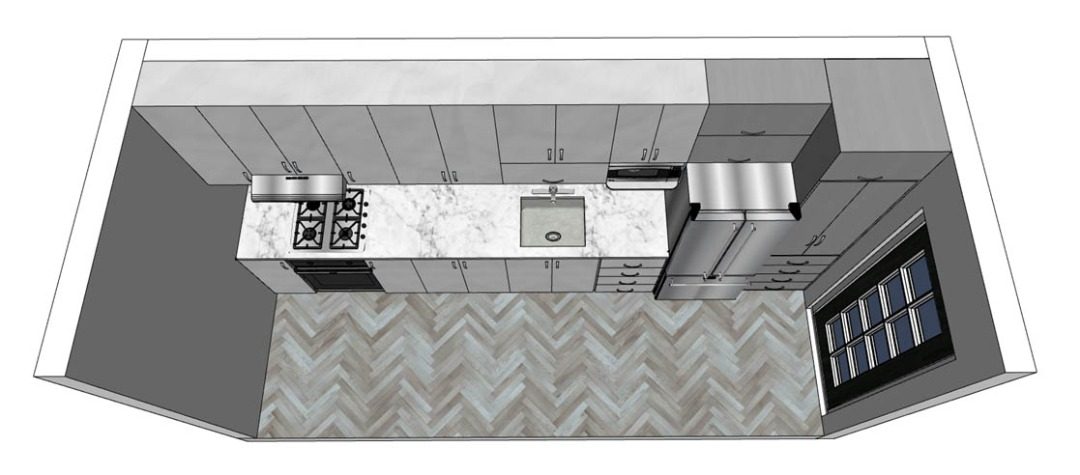
These “hidden” costs typically add 5-10% to your budget.
Permit Costs:
Kitchen remodels generally require permits if you’re:
- Moving or adding plumbing
- Adding or relocating electrical circuits
- Removing or altering walls
- Adding gas lines
- Changing HVAC
Permit costs:
- Simple (cabinet/counter replacement): No permit needed
- Standard remodel (electrical/plumbing work): $300-$800
- Major remodel (structural changes): $500-$1,500
- Complete gut renovation: $800-$2,000
Permit processing time: 2-6 weeks, depending on scope and municipality
Cost of skipping permits:
- Failed home inspection = deal falls through
- Fines: $500-$5,000 if discovered
- Must tear out and redo work to code
- Homeowner’s insurance may not cover unpermitted work
Design Costs:
- DIY with online tools: Free-$200
- Big box store (Home Depot/Lowe’s): $500-$1,500
- Kitchen designer (independent): $2,000-$5,000
- Architect (major changes): $3,000-$10,000
Design includes:
- Floor plan/layout
- 3D renderings
- Material specifications
- Lighting plan
- Detailed measurements
Miscellaneous Costs:
- Drywall patching/repair: $500-$1,500
- Painting (walls/ceiling): $800-$2,000
- Trim/molding: $500-$1,500
- Moving electrical outlets: $300-$1,000
- HVAC modifications: $500-$2,000
- Temporary kitchen setup: $200-$500
- Storage unit (if needed): $100-$300/month
- Cleaning: $200-$500
- Dumpster rental: $300-$600
- Contingency (10-20%): $3,000-$10,000
Always budget 10-20% contingency for surprises:
- Hidden water damage
- Outdated wiring that needs replacement
- Structural issues
- Material availability delays
- Scope creep
Complete Kitchen Remodel Cost Breakdown by Budget Tier
Budget Refresh: $18,000-$28,000
What you get:
- Stock cabinets (refaced or replaced)
- Laminate or basic quartz countertops
- Budget appliance package
- Vinyl or laminate flooring
- Basic lighting
- Same layout (no plumbing/electrical moves)
Cost breakdown:
- Cabinets: $5,000-$10,000 (35%)
- Countertops: $2,000-$3,500 (12%)
- Appliances: $3,000-$5,000 (18%)
- Flooring: $1,000-$2,000 (6%)
- Plumbing/Sink: $800-$1,500 (5%)
- Electrical/Lighting: $800-$1,500 (5%)
- Labor: $4,500-$7,500 (30%)
- Permits/Misc: $900-$1,400 (5%)
ROI: 85-95%
Timeline: 2-4 weeks
Best for: Cosmetic update, rental properties, budget-conscious homeowners
Get detailed budget refresh estimate → Cost Calculator
Midrange Remodel: $28,000-$55,000
What you get:
- Semi-custom cabinets
- Quartz or granite countertops
- Midrange appliance package (stainless)
- Tile or engineered hardwood flooring
- Upgraded lighting (under-cabinet, pendants)
- Minor layout changes are possible
- New sink and faucet
Cost breakdown:
- Cabinets: $13,000-$20,000 (40%)
- Countertops: $3,500-$6,000 (12%)
- Appliances: $5,000-$10,000 (18%)
- Flooring: $2,000-$4,000 (7%)
- Plumbing/Sink: $1,500-$2,500 (5%)
- Electrical/Lighting: $1,500-$2,500 (5%)
- Labor: $12,000-$18,000 (35%)
- Permits/Misc: $2,000-$4,000 (7%)
ROI: 70-85%
Timeline: 4-8 weeks
Best for: Long-term homeowners, family homes, pre-sale upgrades
Upscale Remodel: $55,000-$80,000+
What you get:
- Custom cabinets
- Marble, quartzite, or premium granite countertops
- Premium appliance package (Wolf, Sub-Zero, etc.)
- Hardwood or natural stone flooring
- Designer lighting throughout
- Complete layout redesign
- Farmhouse sink, pot filler, etc.
- Built-in coffee station, wine fridge, etc.
Cost breakdown:
- Cabinets: $23,000-$30,000+ (35%)
- Countertops: $6,000-$12,000 (12%)
- Appliances: $12,000-$20,000 (20%)
- Flooring: $3,500-$6,000 (6%)
- Plumbing/Sink: $2,500-$5,000 (5%)
- Electrical/Lighting: $3,000-$5,000 (5%)
- Labor: $20,000-$35,000 (35%)
- Permits/Misc: $4,000-$8,000 (7%)
ROI: 60-75%
Timeline: 8-12+ weeks
Best for: Luxury homes, forever homes, high-end markets
Kitchen Remodel Costs by Kitchen Size
Small Kitchen (70-100 sq ft):
- Budget: $12,000-$18,000 ($120-$180/sq ft)
- Midrange: $18,000-$30,000 ($180-$300/sq ft)
- Upscale: $30,000-$50,000+ ($300-$500/sq ft)
Typical features: Galley or L-shaped, 10-15 linear ft cabinets, 25-30 sq ft countertops
Average Kitchen (100-150 sq ft):
- Budget: $18,000-$28,000 ($120-$187/sq ft)
- Midrange: $28,000-$55,000 ($187-$367/sq ft)
- Upscale: $55,000-$80,000+ ($367-$533/sq ft)
Typical features: L-shaped or U-shaped, 18-22 linear ft cabinets, 40-50 sq ft countertops
Large Kitchen (150-250 sq ft):
- Budget: $25,000-$40,000 ($125-$200/sq ft)
- Midrange: $45,000-$85,000 ($225-$425/sq ft)
- Upscale: $85,000-$150,000+ ($425-$750/sq ft)
Typical features: U-shaped or open concept with island, 25-35 linear ft cabinets, 60-80 sq ft countertops
Kitchen Remodel ROI by Component
Which upgrades deliver the best return on investment?Upgrade Cost ROI at Resale Payback Best Value? Minor Kitchen Remodel $18K-$28K 85-95% $15K-$27K ✅ Best overall Cabinet Refacing $7K-$14K 80-90% $6K-$13K ✅ Best budget option Midrange Remodel $28K-$55K 70-85% $20K-$47K ✅ Sweet spot New Countertops (Quartz/Granite) $3.5K-$7.5K 80-90% $3K-$7K ✅ High impact Appliance Package Update $5K-$10K ❌ Avoid unless a forever home $3.5K-$8.5K ✅ Modern necessity Flooring (Hardwood) $3K-$6K 80-90% $2.5K-$5.5K ✅ Premium appeal Lighting Upgrade $1.5K-$3K 75-85% $1.1K-$2.6K ✅ Cost-effective Backsplash (Tile) $1K-$3K 70-80% $700-$2.4K ✅ Visual impact Major Upscale Remodel $55K-$80K+ 60-75% $33K-$60K ⚠️ Luxury markets only Over-Customization Varies 40-60% Poor return ❌ Avoid unless forever home
ROI Insights:
Highest ROI upgrades:
- Minor remodel with cabinet refacing (85-95%)
- New countertops (quartz/granite) (80-90%)
- Hardwood flooring (80-90%)
- Energy-efficient appliances (70-85%)
Lowest ROI upgrades:
- Professional-grade appliances in an average home (50-65%)
- Exotic stone countertops (marble in moderate home) (55-70%)
- Extreme customization (40-60%)
Regional variations:
- Coastal markets: Higher ROI for upscale finishes
- Midwest/South: Better ROI for practical, mid-range updates
- Urban markets: Modern, open-concept kitchens command a premium
How to Budget for Your Kitchen Remodel
The 5-10% Rule:
Spend 5-10% of your home’s value on a kitchen remodel to avoid over-improving.Home Value Recommended Kitchen Budget $200,000 $10,000-$20,000 $300,000 $15,000-$30,000 $400,000 $20,000-$40,000 $500,000 $25,000-$50,000 $750,000 $37,500-$75,000 $1,000,000+ $50,000-$100,000+
Over-improving example:
- $250K home with $80K kitchen = Over-improved (32% of home value)
- Will NOT recoup costs at resale
- Buyers won’t pay a premium for a kitchen in an average home
Budget Allocation Guidelines:
Traditional 50-30-20 Rule:
- 50% – Cabinets & Installation
- 30% – Appliances, Countertops, Flooring
- 20% – Labor for plumbing, electrical, misc
Modern 40-30-20-10 Rule (More Realistic):
- 40% – Cabinets & Installation
- 30% – Labor (all trades)
- 20% – Countertops, Appliances, Flooring
- 10% – Lighting, Plumbing, Permits, Contingency
Contingency Budget:
ALWAYS add 10-20% contingency for unexpected costs:
Common surprises:
- Mold or water damage behind cabinets ($500-$3,000)
- Outdated wiring needing replacement ($1,000-$3,000)
- Uneven floors requiring leveling ($500-$2,000)
- Plumbing issues discovered ($500-$2,500)
- Material availability delays (budget holding costs)
- Scope creep (“while we’re at it…” additions)
For $30K kitchen remodel:
- Budget $33K-$36K total, including contingency
Kitchen Remodel Cost by Region
Geographic location significantly affects costs (±20-40% from the national average).
Highest Cost Markets (20-40% above the national average):
- San Francisco Bay Area: $220-$450/sq ft
- New York City metro: $200-$420/sq ft
- Los Angeles metro: $190-$410/sq ft
- Seattle metro: $180-$390/sq ft
- Boston metro: $180-$380/sq ft
- Washington DC metro: $175-$370/sq ft
Average Cost Markets (near national average):
- Chicago metro: $140-$290/sq ft
- Denver metro: $145-$295/sq ft
- Portland metro: $140-$285/sq ft
- Austin metro: $135-$280/sq ft
- Phoenix metro: $130-$270/sq ft
Lower Cost Markets (20-30% below the national average):
- Atlanta metro: $110-$230/sq ft
- Houston metro: $105-$220/sq ft
- Dallas metro: $110-$230/sq ft
- Charlotte metro: $105-$215/sq ft
- Indianapolis metro: $100-$210/sq ft
Read more: Reasons to hire a professional plumber in Atlanta
Why the variation?
- Labor rates (the biggest factor)
- Material delivery costs
- Permit fees
- Cost of living
- Market demand
Get ZIP-code-specific costs for your kitchen
Accurate local pricing for your area
Kitchen Layout Options & Their Costs
Layout choice affects functionality and cost.
Galley Kitchen:
Cost: $15,000-$35,000
Best for: Small spaces, efficiency
Pros: Efficient work triangle, lower cabinet costs (two walls only), good for one cook
Cons: Limited counter space, tight for multiple cooks
L-Shaped Kitchen:
Cost: $20,000-$45,000
Best for: Small to medium spaces, open concept
Pros: Good work triangle, open to adjacent rooms, allows for an island
Cons: Corner cabinet access can be challenging
U-Shaped Kitchen:
Cost: $25,000-$55,000
Best for: Medium to large spaces, serious cooks
Pros: Maximum cabinet/counter space, excellent work triangle, multiple cooks
Cons: Can feel enclosed, higher cabinet costs (three walls)
Island Kitchen:
Cost: $30,000-$65,000
Best for: Open concept, entertaining
Pros: Extra prep space, seating, storage, focal point
Cons: Requires a large space (minimum 13′ × 13′), expensive to add plumbing/electrical
Peninsula Kitchen:
Cost: $25,000-$50,000
Best for: Medium spaces, separation from living areas
Pros: Extra counter/storage, seating, defines space
Cons: Can block traffic flow
Open Concept Kitchen:
Cost: $40,000-$80,000+
Best for: Modern homes, entertaining
Pros: Spacious feel, family interaction, entertaining-friendly
Cons: Most expensive (wall removal, structural work, extended cabinets), cooking smells/noise spread
Permit Requirements for Kitchen Remodels
What Requires a Permit:
Always requires a permit:
- Moving plumbing fixtures
- Adding or relocating gas lines
- New electrical circuits or service
- Removing or altering load-bearing walls
- Changing HVAC systems
- Adding/relocating windows or doors
Usually doesn’t require a permit:
- Cabinet replacement (same location)
- Countertop replacement
- Appliance replacement (same hookups)
- Painting
- Flooring replacement
- Hardware changes
Permit Costs & Timeline:
| Scope of Work | Permit Cost | Processing Time | Inspections |
|---|---|---|---|
| Minor (electrical/plumbing only) | $150-$400 | 1-3 weeks | 1-2 |
| Standard remodel | $300-$800 | 2-4 weeks | 2-3 |
| Major (structural changes) | $500-$1,500 | 3-6 weeks | 3-4 |
| Complete gut renovation | $800-$2,000 | 4-8 weeks | 4-5 |
Why Permits Matter:
Legal/Safety:
- Ensures work meets code
- Protects your family
- Required by law
Financial:
- Unpermitted work discovered during home sale = deal falls through
- Lowers PICO score by 10-20 points
- Homeowner’s insurance may not cover unpermitted work damage
- Fines if discovered: $500-$5,000+
Resale:
- Buyers’ lenders may require permits before approval
- A home inspection will identify unpermitted work
- May need to tear out and redo to sell
Timeline for Kitchen Remodels
Budget Refresh (Cosmetic Only):
Total time: 2-4 weeks
- Planning & design: 1 week
- Ordering materials: 1-2 weeks
- Demo: 1-2 days
- Cabinet install: 3-5 days
- Countertop install: 1-2 days
- Appliance install: 1 day
- Flooring: 2-3 days
- Finishing: 2-3 days
Midrange Remodel:
Total time: 6-10 weeks
- Planning & design: 2-3 weeks
- Permits: 2-4 weeks (can overlap with planning)
- Ordering materials: 2-4 weeks
- Demo: 2-3 days
- Rough plumbing/electrical: 3-5 days
- Drywall/prep: 2-3 days
- Cabinet install: 4-6 days
- Countertop templating & install: 1-2 weeks
- Appliance install: 1-2 days
- Flooring: 3-5 days
- Tile backsplash: 2-3 days
- Plumbing/electrical finish: 2-3 days
- Painting: 2-3 days
- Final inspections: 1-2 days
Complete Gut Renovation:
Total time: 12-16+ weeks
- Planning & design: 4-6 weeks
- Architectural drawings (if needed): 2-4 weeks
- Permits: 4-8 weeks (can overlap with planning)
- Ordering custom materials: 6-12 weeks
- Demo: 3-5 days
- Structural work: 1-2 weeks
- Rough plumbing/electrical/HVAC: 1-2 weeks
- Inspections: 3-5 days (multiple)
- Drywall: 1 week
- Cabinet install: 1 week
- Countertop templating & install: 2-3 weeks
- All other work: 3-4 weeks
- Final inspections & touchups: 1 week
Factors That Extend Timelines:
- Custom cabinets (add 6-12 weeks to lead time)
- Custom countertops (add 2-4 weeks)
- Permit delays (city-dependent)
- Material availability issues
- Unexpected discoveries (structural, plumbing, electrical)
- Weather (for any exterior work)
- Contractor scheduling conflicts
Pro tip: Add a 20-30% buffer to the contractor’s estimated timeline.
How Your Kitchen Remodel Affects PICO Score
Your kitchen remodel directly impacts your home’s PICO (Property Intelligence for Condition Optimization) score, which affects:
- Property value estimates
- Mortgage approval rates
- Renovation loan amounts
- Insurance rates
- Buyer appeal
PICO Score Impact by Kitchen Upgrade:
| Kitchen Upgrade | PICO Impact | What Improves |
|---|---|---|
| New cabinets | +8-12 points | Storage, appearance, functionality |
| New countertops (granite/quartz) | +5-8 points | Appearance, durability, modern appeal |
| New appliances (Energy Star) | +6-10 points | Energy efficiency, modern features |
| Updated plumbing/electrical | +5-8 points | Safety, code compliance |
| New flooring (hardwood/tile) | +4-6 points | Appearance, durability |
| Improved lighting | +3-5 points | Functionality, modern appeal |
| Complete midrange remodel | +15-25 points | All systems updated |
| Outdated kitchen (20+ years) | -10-18 points | Reduces home value, buyer appeal |
| Water damage/mold | -15-30 points | Major red flag for buyers |
PICO Score & Lender Decisions:
Properties with low PICO scores may:
- Require larger down payments (5-10% more)
- Get higher interest rates (+0.25-0.75%)
- Need repairs before loan approval
- Appraise for 5-10% less than market value
Example:
- Home value: $400,000
- PICO score: 45/100 (poor condition kitchen)
- Lender requires $15K kitchen update before approving the loan
- After $25K midrange remodel:
- PICO score: 70/100
- Home value: $420,000-$430,000
- Easier financing for buyers
Check Your Home’s PICO Score
Free property condition assessment
Finding the Right Contractor for Your Kitchen Remodel
Choosing the right contractor is crucial; poor contractors cause 40% of project failures.
What to Look For:
✅ Specialized kitchen experience (not just general remodeling)
✅ Portfolio of similar-scope projects
✅ Licensed & insured (verify with state board)
✅ References (call at least 3 past clients)
✅ Detailed written quote (itemized by component)
✅ Clear timeline (with permit time included)
✅ Warranty (minimum 1 year on labor, pass-through on materials)
✅ Payment schedule (never more than 30% upfront)
Questions to Ask Contractors:
- “How many kitchen remodels have you completed in the past year?”
- “Can you provide 3 references for similar-sized projects?”
- “What’s your typical timeline for a project like mine?”
- “Do you handle permit applications, or do I need to?”
- “What’s your warranty coverage?”
- “How do you handle change orders and unexpected costs?”
- “What’s your payment schedule?”
- “Who will be on-site daily, and who’s my point of contact?”
- “Do you carry workers’ comp and liability insurance?” (Ask for certificates)
- “What happens if the project runs over the timeline?”
Red Flags to Avoid:
🚩 “We don’t need permits for this” (illegal, dangerous)
🚩 Can start immediately (good contractors are booked 2-8 weeks out)
🚩 Requires 50%+ payment upfront (standard is 10-30%)
🚩 Won’t provide a detailed written contract (red flag)
🚩 No license or can’t provide insurance certificates
🚩 Pressure tactics (“deal expires today”)
🚩 No physical business address
🚩 Vague timeline (“should take 4-6 weeks” without details)
How to Get the Best Price:
1. Get 3-5 detailed bids:
- All bids should cover the same scope
- Provide the same materials list to all bidders
- Compare apples-to-apples
2. Don’t automatically choose the lowest bid:
- May indicate cutting corners or inexperience
- Verify what’s included/excluded
- Ask why their price is lower
3. Negotiate strategically:
- Ask for an itemized breakdown
- Identify areas where you can provide materials
- Request a discount for flexibility on the timeline
- Bundle multiple projects (kitchen + bathroom = better rate)
4. Timing matters:
- Off-season (winter) often means better rates
- Book 2-3 months in advance
- Avoid summer rush (20-30% premium)
Find Pre-Vetted Kitchen Contractors
Licensed professionals experienced with kitchen remodels
Verified for licensing, insurance, and past project quality
Kitchen Remodel Mistakes to Avoid
Top 15 Costly Kitchen Remodel Mistakes:
1. Inadequate Budget Planning
- Mistake: Budgeting $30K but not including permits, labor, or contingency
- Cost to fix: Project stalls mid-way, compromise on quality
- Prevention: Budget 20% more than cabinet/counter/appliance costs alone
2. Choosing Trendy Over Timeless
- Mistake: Bright colored cabinets, unusual tile, trendy fixtures
- Cost to fix: Full remodel required ($25K-$50K)
- Impact: Poor resale, dates quickly
3. Ignoring the Work Triangle
- Mistake: Sink, stove, fridge too far apart or obstructed
- Cost to fix: $5,000-$15,000 (replumb/rewire to fix)
- Impact: Inefficient kitchen, daily frustration
4. Insufficient Lighting
- Mistake: Single overhead light only
- Cost to fix: $1,500-$3,000 (add task & ambient lighting)
- Impact: Dark workspace, poor functionality
5. Too Little Counter Space
- Mistake: Choosing large appliances at the expense of prep space
- Cost to fix: $3,000-$8,000 (reconfigure layout)
- Prevention: Maintain 15+ sq ft of counter space minimum
6. Poor Ventilation
- Mistake: Undersized or no range hood
- Cost to fix: $800-$2,500 + mold remediation ($2K-$6K)
- Impact: Grease buildup, odors, moisture damage
7. Choosing Appliances Before Cabinets
- Mistake: Buying appliances first, then the cabinets don’t fit properly
- Cost to fix: $500-$2,000 (custom filler panels, modifications)
- Prevention: Finalize cabinet layout first, then order appliances to fit
8. Skipping Permits
- Mistake: No permits to “save money.”
- Cost to fix: $3,000-$10,000 (tear out + redo + fines)
- Impact: Failed home sale, insurance issues, fines
9. Ignoring Storage Needs
- Mistake: Beautiful kitchen, but nowhere to store things
- Cost to fix: $2,000-$6,000 (add cabinets, pantry)
- Prevention: Plan for 15-20% more storage than current
10. DIY Plumbing/Electrical
- Mistake: Unlicensed work to save money
- Cost to fix: $2,000-$8,000 (hire professionals to fix)
- Impact: Code violations, failed inspection, safety hazards
11. Wrong Countertop for Lifestyle
- Mistake: Marble in family kitchen (stains easily)
- Cost to fix: $3,500-$7,500 (replace countertops)
- Prevention: Choose materials that match your cooking/use habits
12. Undersized Island
- Mistake: Island too small to be functional
- Cost to fix: $3,000-$8,000 (rebuild larger island)
- Prevention: Minimum 4′ × 2′ for functionality
13. Poor Traffic Flow
- Mistake: Island or layout blocks natural walking paths
- Cost to fix: $5,000-$15,000 (reconfigure layout)
- Prevention: Maintain 42-48″ walkways around the island
14. Forgetting About Resale
- Mistake: Ultra-custom choices that don’t appeal to buyers
- Cost to fix: Lower sale price ($10K-$30K)
- Prevention: Keep 80% neutral, personalize with 20% accessories
15. No Contingency Budget
- Mistake: Spending entire budget, then surprises hit
- Cost to fix: Project delays, compromises, stress
- Prevention: Always budget 15-20% extra for unexpected
Kitchen Remodel Financing Options
How to Pay for Your Kitchen Remodel:
1. Cash/Savings
- Best for: Small to midrange projects ($18K-$40K)
- Pros: No interest, no debt, full control
- Cons: Depletes savings, opportunity cost
2. Home Equity Line of Credit (HELOC)
- Best for: Midrange to large projects ($30K-$80K+)
- Typical terms: Variable interest rate, 10-year draw period, 20-year repayment
- Current rates: 7-9% (2024)
- Pros: Only pay interest on what you use, tax-deductible interest
- Cons: Variable rate risk, home is collateral
- Requirements: 15-20% equity in home, good credit (680+)
3. Home Equity Loan
- Best for: Large projects with fixed costs ($40K-$100K)
- Typical terms: Fixed interest rate, 5-30 year repayment
- Current rates: 7.5-10% (2024)
- Pros: Fixed rate, lump sum, tax-deductible interest
- Cons: Larger monthly payment, home is collateral
- Requirements: 15-20% equity, good credit (680+)
4. Cash-Out Refinance
- Best for: Large projects + lowering mortgage rate ($50K+)
- Typical terms: New mortgage at current rates
- Current rates: 6.5-8% (2024)
- Pros: Potentially lower overall rate, one payment
- Cons: Closing costs ($3K-$6K), resets mortgage term
- Requirements: 20% equity, good credit (700+)
5. Personal Loan
- Best for: Small to midrange projects ($10K-$40K), no home equity
- Typical terms: Fixed rate, 3-7 year repayment
- Current rates: 8-18% (depends on credit)
- Pros: No home collateral, fast approval, fixed rate
- Cons: Higher interest than home equity options, not tax-deductible
- Requirements: Good credit (660+), stable income
6. Credit Cards
- Best for: Very small projects (<$5K), short-term (pay off quickly)
- Typical terms: Revolving credit, 18-24% APR
- Pros: Rewards points, fast access, 0% intro offers
- Cons: Very high interest if carried, not for large projects
- Best strategy: Use 0% intro offer cards, pay off during promo period
7. Contractor Financing
- Best for: Small to midrange projects when preferred
- Typical terms: Varies widely, often 0% for 12-24 months
- Pros: Convenient, promotional rates
- Cons: May charge higher project costs, deferred interest traps
- Warning: Read fine print on “deferred interest” offers
Financing Comparison for $35,000 Kitchen Remodel:
| Financing Option | Interest Rate | Monthly Payment | Total Cost | Timeline |
|---|---|---|---|---|
| Cash | 0% | N/A | $35,000 | Immediate |
| HELOC (10 yr) | 8% | $425 | $51,000 | 1-2 weeks |
| Home Equity Loan (15 yr) | 8.5% | $344 | $62,000 | 2-4 weeks |
| Personal Loan (5 yr) | 12% | $779 | $46,740 | 1-3 days |
| 0% Credit Card (24 mo) | 0% (if paid off) | $1,458 | $35,000 | Immediate |
Best value: HELOC or Home Equity Loan (lowest total cost + tax deductible)
Explore Financing Options
Pre-qualify without affecting your credit score
Kitchen Remodel Planning Checklist
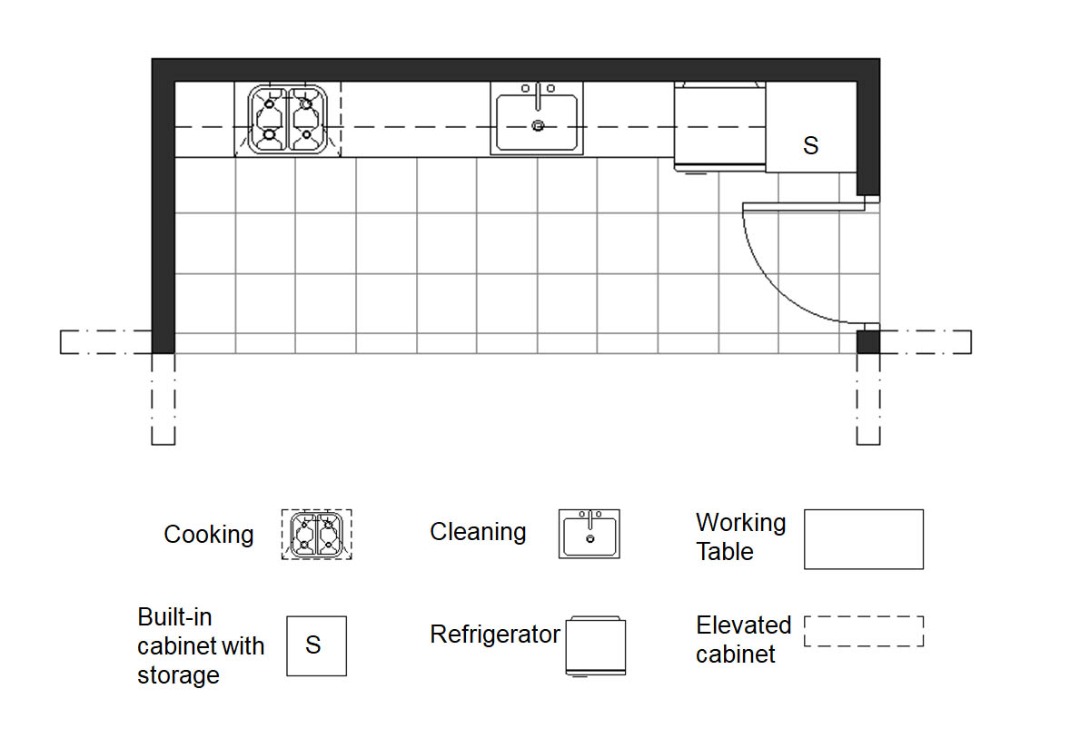
3-6 Months Before:
- Set budget (5-10% of home value)
- Determine scope (budget/midrange/upscale)
- Research kitchen layouts & styles
- Start Pinterest/Houzz inspiration board
- Check PICO score (identify issues to address)
- Research financing options
- Interview 3-5 contractors
- Request detailed bids
2-3 Months Before:
- Finalize design & layout
- Select contractor (check references!)
- Verify contractor license & insurance
- Choose cabinets (longest lead time)
- Choose countertops
- Choose appliances
- Sign a contract with the contractor
- Apply for permits
- Secure financing (if needed)
- Order long-lead items (cabinets, countertops)
1 Month Before:
- Finalize all material selections
- Order remaining materials
- Set up a temporary kitchen area
- Clear out the kitchen completely
- Protect floors in adjacent rooms
- Arrange temporary housing for pets (if needed)
- Notify neighbors of construction
- Confirm start date with contractor
During Construction:
- Daily check-ins with the contractor
- Document progress with photos
- Address issues immediately (don’t wait)
- Verify work at each inspection
- Track expenses vs. budget
- Coordinate delivery of materials
- Keep good communication with the contractor
After Completion:
- Final walkthrough with contractor
- Create a punch list of remaining items
- Verify all appliances function properly
- Obtain permit final sign-off
- Request all warranties in writing
- Take final photos
- Pay final payment (after punch list complete)
- Leave contractor review
- Update home value estimate
- Enjoy your new kitchen!
Additional Resources: Professional Standards & Guidelines
To ensure your kitchen remodel meets professional standards:
Building Codes & Design Standards
International Residential Code (IRC)
2024 IRC – Kitchen Requirements
Kitchen-specific code requirements:
- Minimum counter space requirements
- Electrical outlet spacing (every 4 feet)
- GFCI requirements near water
- Ventilation minimums (CFM calculations)
- Minimum aisle width (42-48 inches)
Why this matters: Ensures safety, code compliance, and protects property value.
Professional design standards, including:
- Work triangle dimensions (4-9 feet per leg)
- Recommended counter space by task
- Landing space requirements (appliances)
- Storage planning guidelines
- Universal design principles
Why this matters: NKBA guidelines optimize functionality beyond minimum code requirements.
Safety & Compliance
Consumer Product Safety Commission (CPSC)
Kitchen Safety Guidelines
Safety standards for:
- Appliance installation
- Electrical safety
- Fire prevention
- Child safety considerations
Why this matters: Protects your family and reduces liability.
EPA Lead-Safe Renovation Rule
EPA Lead Paint Requirements
If your home was built before 1978:
- Contractors must be EPA Lead-Safe certified
- Special protocols for demo/dust control
- Required disclosure to homeowners
Why this matters: Lead exposure is a serious health hazard, especially for children.
Energy Efficiency
ENERGY STAR
Kitchen Appliance Standards
Energy-efficient appliance criteria:
- Refrigerators: 15-25% more efficient
- Dishwashers: 12% less energy, 30% less water
- Ranges/ovens: Convection models save 20%
Why this matters: Save $200-$500/year on utilities + environmental impact.
Frequently Asked Questions
How much does a kitchen remodel cost?
Kitchen remodel costs range from $18,000-$28,000 for a budget refresh, $28,000-$55,000 for a midrange remodel, and $55,000-$80,000+ for an upscale renovation. Costs depend on kitchen size, material choices, layout changes, and geographic location.
What is the most expensive part of a kitchen remodel?
Cabinets are typically the most expensive component, accounting for 25-35% of the total budget ($5,000-$30,000). Labor is second at 30-40% of total costs.
How long does a kitchen remodel take?
A budget kitchen refresh takes 2-4 weeks, a midrange remodel takes 6-10 weeks, and a complete gut renovation takes 12-16+ weeks. Timeline includes permit processing, material ordering, and construction.
Do I need a permit to remodel my kitchen?
You need permits if you’re moving plumbing, adding electrical circuits, removing walls, or changing gas lines. Simple cabinet and countertop replacement in the same location typically doesn’t require permits.
What is the ROI on a kitchen remodel?
Minor kitchen remodels offer 85-95% ROI, midrange remodels offer 70-85% ROI, and upscale remodels offer 60-75% ROI. ROI varies by geographic market and scope of work.
How much should I spend on a kitchen remodel?
Spend 5-10% of your home’s value on a kitchen remodel to avoid over-improving. For a $400,000 home, budget $20,000-$40,000 for the kitchen.
Can I live in my house during a kitchen remodel?
Yes, most homeowners stay in their homes during kitchen remodels. Set up a temporary kitchen with a microwave, mini-fridge, and toaster oven in another room. Expect 2-12 weeks without a functional kitchen, depending on project scope.
Should I replace cabinets or reface them?
Replace cabinets if they’re damaged, poorly laid out, or you want a different style ($5,000-$30,000). Reface cabinets if boxes are in good condition and you like the layout ($6,800-$14,000). Cabinet refacing costs 40-60% less than full replacement.
What countertop material offers the best value?
Quartz offers the best value for most homeowners, durable, non-porous, attractive, and costs $60-$150 per square foot installed. It offers 80-90% ROI and appeals to most buyers.
How do I find a good kitchen remodeling contractor?
Get 3-5 detailed bids, verify licensing and insurance, call references, review portfolios of similar projects, and avoid contractors who pressure immediate decisions or require large upfront payments (>30%).

Written by Ramona Sinha. November 20, 2019
Ramona is the Senior Content Writer for Kukun. This experienced blogger uses simple and succinct words to decipher the complex phenomenon called life. She has written articles covering a broad range of topics, such as real estate, lending and mortgage, finance, business, taxation, home designs, home improvement projects, decor concepts, and more. An avid traveler, she’s a digital nomad at heart and an animal lover from the depth of her soul.
Top blog posts










See more >
Recommended

Join our newsletter
Get helpful renovation tips, insightful home maintenance articles, real estate market trends, and more.
Please enter a name
Please enter a valid e-mail