Reverse address lookup: How to find who lives where quickly
Updated Wed, Apr 22, 2026 - 7 min read
Top blog articles
Sponsored Rates for October 2026
Compare Rates for Mortgage, Personal Loans and Home Equity


Have you ever driven past a house and wondered, “Who lives there?” Or maybe you’ve received mail for a previous resident and thought, “How can I find the current owner?” Whether you’re curious about your neighbors, trying to reconnect with an old friend, or need information about a property, a reverse address lookup can be your go-to tool. Let’s see what it is, how it works, and why it’s so useful.
What is a reverse address lookup?
A reverse address lookup is a tool that lets you enter a street address and uncover contact information, property details, and even the names of the owners or residents. Think of it as a digital detective that helps you find out who lives in an address or information about a property with just a few clicks. It’s like a reverse phone lookup, but instead of using a phone number, you start with an address.
Why would anyone want to use a reverse address lookup?
Here are some common scenarios where people search to find an address.
- Checking out a property: If you’re thinking about buying or renting a home, you can use this tool to learn more about the property and the house history. You might even find out who the current owners are and how to reach them.
- Safety concerns: Worried about who lives nearby? Such tools provide vital information about the neighborhood (e.g., crime rate or registered sex offenders) in the area, helping you stay informed.
- Verifying contact info: If you’ve received mail for someone who no longer lives at your address, a reverse address lookup can help you find their updated contact info so you can forward it to them.
- Researching unknown callers: If you’ve received a call from an unknown number and suspect it’s linked to a specific address, combining a reverse phone lookup with a reverse address search can help you uncover the caller’s identity.
- Reconnecting with old friends or neighbors: Did you lose touch with someone and only remember their old address? A reverse address search can help you find people and track them down by providing updated contact information.
How does a reverse address lookup work?

Reverse address lookup tools pull data from public records, property databases, and sometimes even social media profiles. When you enter the address (including the zip code) into the search bar, the tool scours these sources to provide you with details such as:
- Names of property owners or residents
- Contact info, such as phone numbers or email addresses
- Property value, size (total square footage), details such as the number of bathrooms, bedrooms, etc., and complete history
- Crime records, nearby sex offenders (in some cases)
- Other addresses associated with the person
It’s a quick and easy way to find out who lives at a specific location or gather information about a property you’re interested in buying.
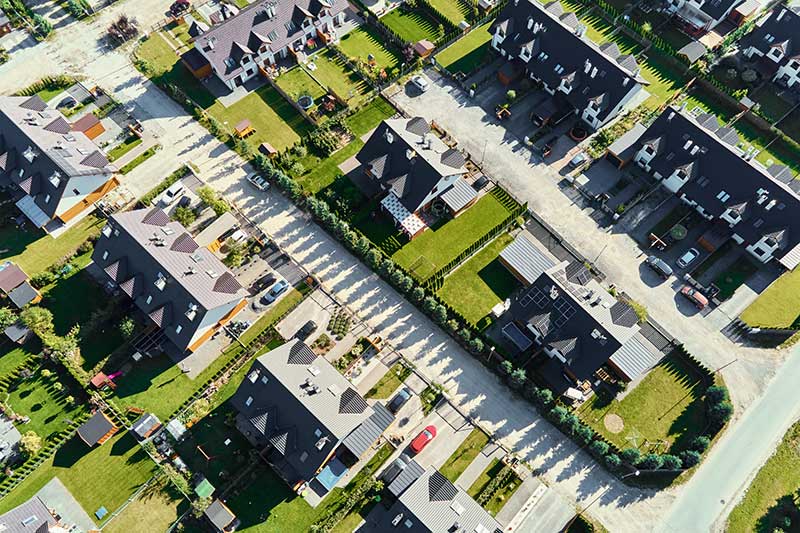
So, how am I to do reverse address lookup?
How you find address information depends on your budget and time. You can buy address lists, scrape data from the web, or collect it from customer registrations.
Moreover, you can check social media platforms such as LinkedIn and Facebook or run searches on Google or Bing. If you need deeper insights, hiring a private investigator or using a premium record search service might be worth considering.
Keep in mind that if you’re handling a long list, doing reverse address searches manually can be time-consuming and impractical. Plus, remember that not every information may be up-to-date. Public records can sometimes lag behind real-time changes.
Fortunately, you can make the process easier through Kukun’s iHomeReport. It’s your go-to tool for understanding everything about a property before making a real estate investment. It goes beyond just the house, giving you valuable insights into the neighborhood, including schools, parks, hospitals, transit accessibility, and potential natural hazards. Since a thriving community boosts property value, knowing these details helps you make a smarter investment.
You also get access to a property’s complete history, including building permits, renovations, legal records, and structural details—ensuring no surprises after purchase. Plus, with Kukun Investment Outlook (KIO)™ , you can accurately forecast home values, compare investment potential, and track price trends in the area. With all this information at your fingertips, iHomeReport helps you make confident, informed real estate decisions.
Reverse Address Lookup: Frequently Asked Questions
Understanding the “Digital Paper Trail” of a property is essential for modern homeowners and investors. Here are the technical and legal answers to the most common questions regarding property data transparency in 2026.
Q: What information is legally public in a reverse address lookup?
A: In 2026, most jurisdictions consider the following “Public Record”: the current owner of record, the property’s tax assessment history, sales history, and municipal permit data. While personal details like phone numbers are often protected by modern privacy laws, the “physical history” of the structure is open for audit.
Q: Can a reverse address lookup show unpermitted work?
A: Not directly, but it reveals the “Data Gap.” If a lookup shows the property is officially a 2-bedroom home, but the listing shows 4 bedrooms, the lookup has identified unpermitted renovations. In 2026, AI-driven appraisals use this gap to flag properties as high-risk assets.
Q: Why is my property showing “USIC” or utility markings after a lookup?
A: If you see “USIC” markings in your yard, it is a signal that a utility survey has been requested via a “811” call. A reverse address lookup through Kukun’s Construction Near Me tool can help you identify if a neighbor’s permit or a municipal project is the reason for the markings.
Q: How does reverse address data affect my PICO™ Score?
A: The PICO™ Property Condition Score aggregates public data found in these lookups (such as roof age, permit frequency, and maintenance history) to determine a home’s “Health Rating.” A clean, documented history found during a lookup directly correlates to a higher score and better refinancing rates.
Q: Is a reverse address lookup the same as a title search?
A: No. A lookup is a broad “Infrastructure Audit,” while a title search is a specific legal investigation into liens, encumbrances, and ownership chains. However, performing a reverse lookup is the recommended first step in 2026 for any Value-Add investor to verify a property’s “Smart Guts” before spending money on a formal title search.
The Professional Standard: Data Privacy and Accuracy
To understand how your property data is managed and protected, it is important to reference the standards set by the Consumer Financial Protection Bureau (CFPB).
According to the CFPB’s guidance on the Fair Credit Reporting Act (FCRA), entities that provide “consumer reports” (which can include detailed property and financial histories) must follow strict accuracy and privacy protocols. By using a secure platform like Kukun to manage your iHomeManager records, you are ensuring that your property’s digital history is not just accurate but protected under 2026 data sovereignty standards.
Final thoughts
Reverse address lookup is a powerful tool that can provide valuable insights into properties and their residents. Whether you’re looking to learn more about a property or gather information about a neighborhood, these tools can be incredibly helpful.
Remember to use this information ethically and responsibly, always considering the privacy and rights of others. The information you find should be used for legitimate purposes, like reconnecting with someone or researching a property. Avoid using these tools to invade someone’s privacy or harass them.

Written by Ramona Sinha. March 7, 2023
Ramona is the Senior Content Writer for Kukun. This experienced blogger uses simple and succinct words to decipher the complex phenomenon called life. She has written articles covering a broad range of topics, such as real estate, lending and mortgage, finance, business, taxation, home designs, home improvement projects, decor concepts, and more. An avid traveler, she’s a digital nomad at heart and an animal lover from the depth of her soul.
Top blog posts







See more >
Recommended

Join our newsletter
Get helpful renovation tips, insightful home maintenance articles, real estate market trends, and more.
Please enter a name
Please enter a valid e-mail