Stucco Water Damage: Warning Signs Every Homeowner Should Know
Updated Wed, Aug 26, 2026 - 6 min read
Top blog articles
Sponsored Rates for October 2026
Compare Rates for Mortgage, Personal Loans and Home Equity


Stucco is a popular exterior finish because it is durable, attractive, and well suited to a variety of architectural styles. However, even a well-maintained stucco exterior can develop problems when moisture finds its way behind the surface.
The challenge is that water intrusion is not always immediately obvious. By the time significant staining or deterioration appears, moisture may have already affected the layers underneath. Recognizing the early warning signs of Stucco Water Damage can help homeowners address the source of the problem before repairs become more extensive and expensive.
Why Does Water Damage Occur in Stucco?
Stucco itself is designed to withstand exposure to the elements, but the entire exterior system must work together to manage moisture effectively. Problems can develop when water enters through cracks, poorly sealed windows and doors, damaged flashing, roofline issues, or penetrations around exterior fixtures.
Once moisture gets behind the stucco, it may become trapped rather than drying quickly. Repeated exposure can gradually deteriorate the underlying materials and create conditions for mold, rot, and structural problems.
Homes with pools and frequently wet outdoor spaces may deserve additional attention. Splashing water, irrigation, drainage problems, and persistent moisture around exterior walls can all contribute to an environment where moisture-related issues are easier to overlook. Homeowners who already rely on SPEAR for Pool Service or another professional to maintain their pool area should still periodically inspect nearby walls and surfaces for signs of unwanted moisture.
1. Dark Stains or Discoloration
One of the easiest signs to spot is an unusual change in the color of the stucco.
Dark patches, streaks, or stains may appear beneath windows, around doors, near rooflines, or toward the bottom of exterior walls. While an occasional surface stain does not necessarily indicate serious damage, discoloration that repeatedly returns after cleaning deserves closer investigation.
Persistent staining can indicate that water is traveling across or behind the stucco.
2. Cracks That Continue to Grow
Small hairline cracks are relatively common in stucco and can develop as a home naturally settles. Larger or expanding cracks are more concerning.
Pay particular attention to cracks around windows, doors, corners, utility penetrations, and areas where different building materials meet. These openings can provide pathways for rainwater and other moisture to reach the layers beneath the exterior finish.
Rather than repeatedly covering a growing crack, homeowners should determine why it developed and whether moisture has already entered behind it.
3. Bubbling or Blistering Stucco
Stucco should generally have a solid, consistent appearance. Bubbling, blistering, or swelling can indicate moisture trapped beneath the finish.
These areas may initially seem cosmetic, but they can signal a deeper problem. Water behind the exterior surface can weaken adhesion and cause layers of the stucco system to separate.
If bubbling appears after periods of heavy rain, the connection to moisture intrusion becomes particularly important to investigate.
4. Soft or Crumbling Areas
Healthy stucco should feel firm. If an area feels unusually soft, brittle, loose, or begins crumbling when touched, deterioration may already be underway.
This can happen when prolonged moisture exposure compromises the stucco or the materials underneath it. Crumbling near the base of a wall can also point to drainage, irrigation, or grading issues that continually expose the area to water.
The damaged section should not simply be patched without identifying the moisture source first.
5. Mold, Mildew, or Persistent Green Growth
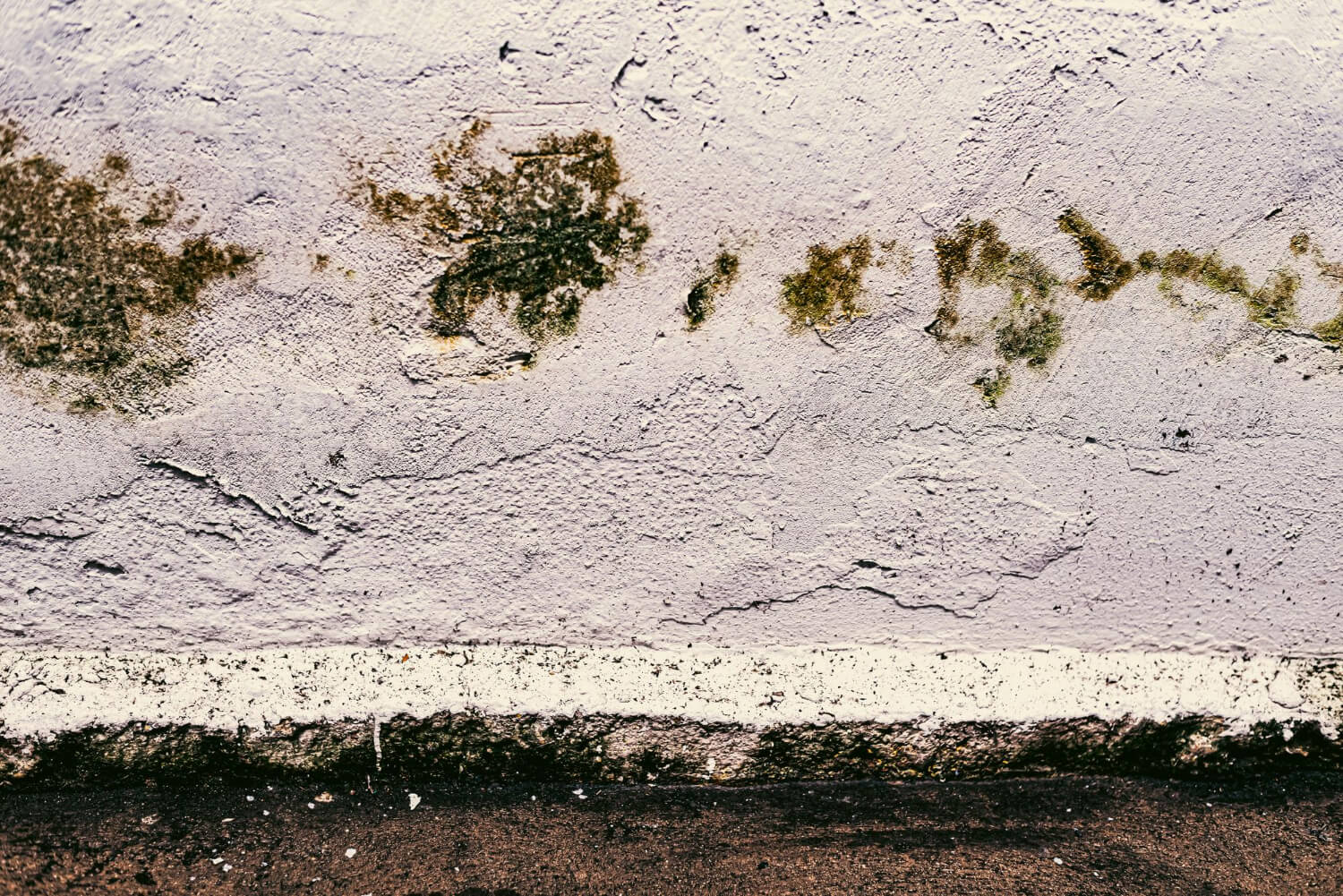
Exterior surfaces naturally become dirty over time, particularly in shaded or humid areas. However, recurring mold, mildew, algae, or green growth can indicate that an area remains wet longer than it should.
Cleaning may improve its appearance temporarily, but repeated growth in exactly the same location suggests that homeowners should investigate the underlying moisture conditions.
Indoor mold or musty odors along walls adjoining stucco exteriors can be an even stronger reason to arrange a professional inspection.
6. Stucco Pulling Away From the Wall
Sections of stucco that appear loose, bulging, or separated from the structure require attention.
Moisture can weaken the bond between different components of an exterior wall system. Over time, sections may begin pulling away or even falling from the wall.
At this stage, repairs may involve more than simply restoring the visible exterior finish. The condition of the materials underneath should also be evaluated.
7. Problems Around Windows and Doors
Windows and doors are common areas for water intrusion because they interrupt the exterior wall system and require proper flashing and sealing.
Warning signs can include staining beneath window corners, cracked stucco around frames, deteriorating sealant, damp interior drywall, peeling interior paint, or swollen trim.
Because water can travel behind a wall before becoming visible, the place where a stain appears is not necessarily the exact location where water entered.
8. Peeling Paint or Interior Wall Damage
Sometimes the first indication of a stucco problem actually appears inside the house.
Homeowners may notice bubbling paint, peeling wallpaper, water stains, soft drywall, or unexplained discoloration on exterior-facing walls. A persistent musty smell can also indicate hidden moisture.
These symptoms should not automatically be blamed on plumbing. If the affected area corresponds with damaged or poorly sealed exterior stucco, water intrusion from outside should be considered.
9. Damage Near the Bottom of Exterior Walls
The lower portions of stucco walls are particularly important to inspect.
Sprinklers aimed directly at the house, poor grading, inadequate drainage, standing water, and landscaping positioned too close to the exterior can repeatedly expose stucco to moisture.
The area around swimming pools also needs sensible water management. Pool water itself does not automatically mean a stucco wall will develop problems, but consistently wet surfaces and poor drainage can contribute to unnecessary moisture exposure.
What Should You Do If You Notice Warning Signs?
The first priority is identifying where the water is coming from. Simply painting over a stain or patching damaged stucco may conceal the symptom without resolving the cause.
Depending on the situation, a professional may need to examine the stucco, flashing, windows, roof transitions, drainage system, or other exterior components. Moisture testing can also help determine whether water has reached materials beneath the visible surface.
Once the source has been corrected, damaged materials can be properly repaired.
Preventing Future Stucco Water Damage
Routine exterior inspections can make a significant difference. Homeowners should periodically check for new cracks, failing sealant, drainage problems, staining, and deterioration around windows and doors.
Gutters and downspouts should direct water away from the structure, sprinklers should not continually spray exterior walls, and landscaping should allow adequate drainage around the foundation.
After major storms or unusually wet weather, taking a few minutes to walk around the property can also help identify developing problems early.
Final Thoughts
Stucco can provide decades of attractive and reliable exterior protection, but it should not be treated as maintenance-free. Water intrusion often begins quietly, making early detection particularly valuable.
Discoloration, growing cracks, bubbling surfaces, crumbling material, mold, loose stucco, and unexplained interior moisture are all warning signs worth investigating. Addressing the underlying source of Stucco Water Damage early can protect not only the exterior finish but also the materials and structure behind it.

Written by Billy Guteng. August 26, 2026
Billy is a content writer for Kukun. He was born in France, and has lived in multiple cities around the world ever since. He loves art, design and architecture as well as construction and real estate.
Top blog posts










See more >
Recommended

Join our newsletter
Get helpful renovation tips, insightful home maintenance articles, real estate market trends, and more.
Please enter a name
Please enter a valid e-mail